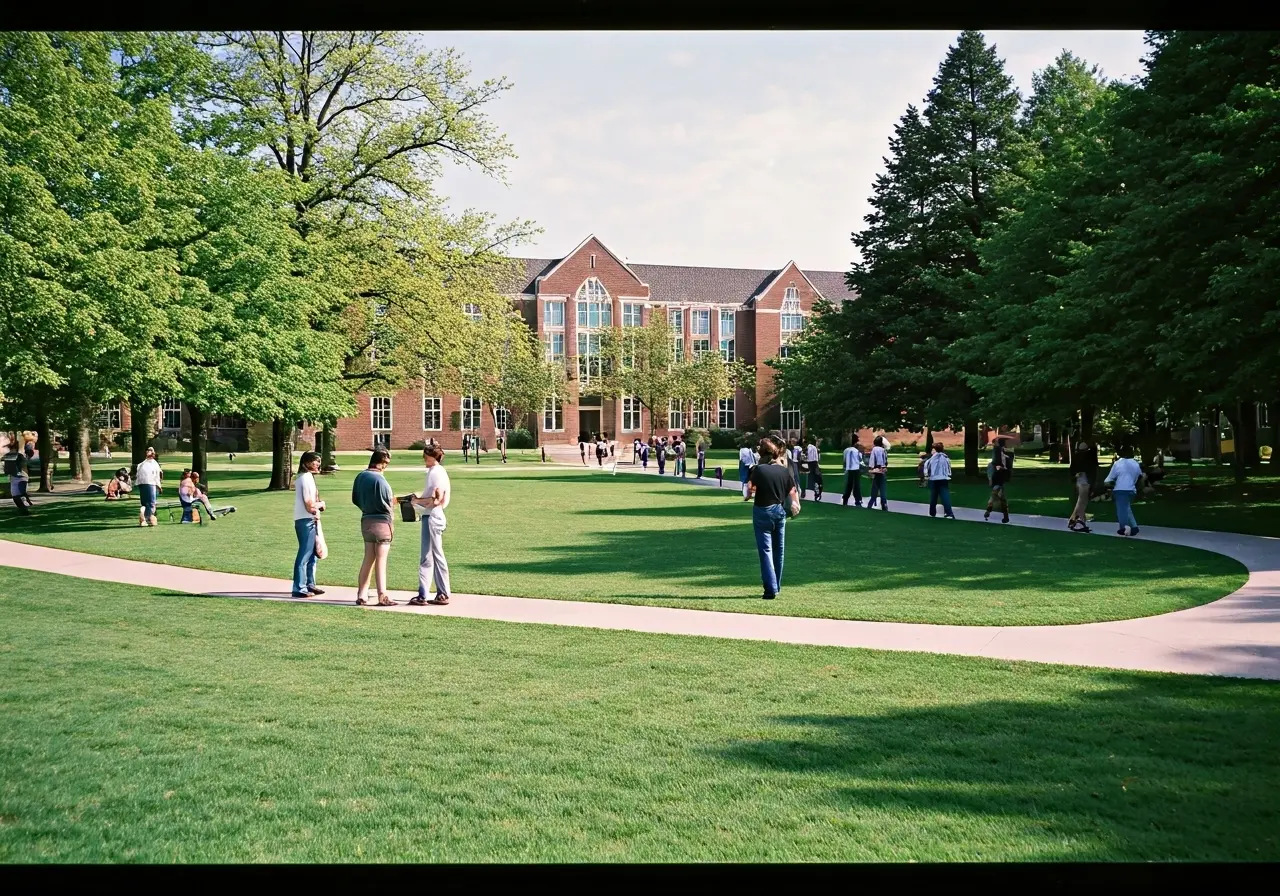
How to Make Friends in College: Your Guide to Building Lasting Connections
Walking into college can feel like entering a completely different universe.
One minute you’re the person who knew everyone in your high school hallway, and the next you’re eating lunch alone wondering if you’ll ever find “your people.”
But here’s what nobody tells you: making friends in college isn’t just about surviving freshman year.
It’s about building the relationships that’ll carry you through late-night study sessions, post-graduation job hunts, and maybe even your wedding day.
Why College Friendships Hit Different
College friendships aren’t like high school relationships where you bonded over shared trauma from algebra class.
These connections form during one of the most transformative periods of your life.
You’re figuring out who you are while simultaneously trying to connect with people doing the exact same thing.
The friends you make now? They’re witnessing your growth in real-time.
They’ll see you fail your first exam, celebrate when you finally understand organic chemistry, and probably help you out when you get sick.
But unlike high school where proximity created friendships, college requires intentional effort.
Start Strong: First-Week Friend-Making Strategies
Show Up to Everything (Yes, Even That Awkward Icebreaker)
I know, I know. Orientation activities feel forced and weird.
But here’s what I learned: everyone feels equally awkward, which actually creates the perfect bonding opportunity.
That cringe-worthy scavenger hunt? It’s where I met my roommate who became my maid of honor.
Make it easier on yourself:
- Set a goal to attend at least one social event per day during orientation week
- Bring mints or gum to share (instant conversation starter)
- Ask someone to grab dinner after events end

Master the Art of Dorm Door Small Talk
Your dorm hallway is a goldmine of potential friendships.
But standing in your doorway scrolling TikTok won’t help you meet anyone.
Try these conversation starters:
- “Hey, do you know if the laundry room takes quarters or do I need that app?”
- “I’m making way too much ramen – want some?”
- “Did you hear that fire alarm last night? I thought it was my alarm clock.”
The key is asking questions that invite longer responses than just “yes” or “no.”
Find Your Tribe Through Shared Interests
Join Clubs That Actually Excite You
Forget joining clubs because they look good on your resume.
Join activities that make you excited to show up.
When you’re genuinely passionate about something, conversations flow naturally because you actually have things to talk about.
But don’t limit yourself to obvious choices:
- Love true crime podcasts? Join the criminology club
- Obsessed with houseplants? Start a gardening group
- Can’t function without coffee? Join the campus coffee appreciation society (yes, that’s a real thing)
Study Groups: Where Academic Stress Meets Social Success
Study groups are friendship accelerators disguised as academic necessity.
Nothing bonds people like collectively panicking about a midterm at 2 AM.
Form study groups strategically:
- Suggest meeting at coffee shops instead of the library
- Bring snacks to share (food = instant friendship points)
- Plan post-study celebration activities
Work-Study Jobs and Volunteer Opportunities
Working together creates natural conversation opportunities.
Plus, you’re getting paid to socialize (kind of).
Campus jobs like working the front desk or giving tours put you in contact with tons of people daily.

Perfect Your Approach Game
Body Language That Says “Please Talk to Me”
Your nonverbal communication speaks before you do.
Approachable body language basics:
- Keep your phone in your pocket during social situations
- Make eye contact and smile when passing people on campus
- Face toward people when they’re talking to you
- Use open gestures (no crossed arms or hands in pockets)
Small Talk Strategies That Actually Work
Small talk gets a bad reputation, but it’s the bridge to deeper conversations.
Level up your small talk game:
- Comment on shared experiences: “This professor talks so fast I can barely keep up”
- Ask about their major and why they chose it
- Share something mildly personal: “I’m still getting lost trying to find the dining hall”
Moving Past Surface-Level Conversations
Once you’ve covered the basics (major, hometown, dorm), dig deeper.
Questions that create connection:
- “What’s been the biggest adjustment for you so far?”
- “What’s something you’re looking forward to this semester?”
- “Have you found anything here that reminds you of home?”
These questions invite people to share feelings, not just facts.

Turn Acquaintances into Real Friends
The Follow-Up That Makes All the Difference
Meeting someone is just step one.
The magic happens in the follow-up.
Make it happen:
- Text within 24 hours: “Hey, it was great meeting you at the mixer last night!”
- Suggest specific plans: “Want to grab lunch tomorrow before your 2 PM class?”
- Follow through on what you say you’ll do
Creating Shared Experiences Beyond Class
Friendships deepen through shared experiences.
Low-key hangout ideas:
- Late-night food runs when dining halls close
- Study dates at cute coffee shops
- Campus movie nights or sporting events
- Exploring the town surrounding your campus
The goal is creating memories together, not just existing in the same space.
Handle the Inevitable Social Awkwardness
When You Feel Like You Don’t Fit In
Sometimes you’ll walk into a room and feel like everyone already has their friend groups figured out.
That feeling is normal and temporary.
Remember:
- Most people are more focused on themselves than judging you
- Feeling awkward doesn’t mean you ARE awkward
- Give relationships time to develop naturally
Dealing with Friend Group Drama
College friend drama hits different because you still have to see these people in class, the dining hall, and probably your dorm.
Keep your sanity:
- Stay neutral in conflicts that don’t involve you directly
- Don’t gossip (even when it’s tempting)
- Have backup social circles so you’re not dependent on one group

Long-Distance Friendship Maintenance
Your high school friends matter too, but maintaining those relationships requires different strategies.
Keep those connections strong:
- Schedule regular video calls instead of just texting
- Send care packages during stressful times
- Plan visits that work with everyone’s class schedules
- Share college experiences without making them feel left out
Your College Social Life Action Plan
Ready to put this into practice? Here’s your week-by-week game plan:
Week 1: Attend every orientation event and introduce yourself to at least three new people daily
Week 2: Join two clubs or activities that genuinely interest you
Week 3: Form a study group for your hardest class
Week 4: Plan your first group hangout outside of organized events
The Truth About College Friendships
Making friends in college isn’t about becoming the most popular person on campus.
It’s about finding people who make you laugh until your stomach hurts, who’ll listen to you vent about that impossible professor, and who celebrate your wins like they’re their own.
Some friendships will develop immediately, others will surprise you by growing slowly over months.
You’ll probably have some social misfires along the way – conversations that fall flat, hangouts that feel forced, people who seemed cool but turned out to be drama magnets.
That’s all part of the process.
The friends you make in college become your chosen family.
They’re the people who’ll crash on your couch post-graduation, stand beside you at major life events, and remind you of who you were during these formative years.
So put yourself out there, show up as authentically as you, and trust that your people are looking for you just as much as you’re looking for them.
College is just the beginning of these relationships, not the end.

FAQs About Making College Friends
Q: What if I’m naturally introverted and social events drain me?
A: Start small with one-on-one conversations or smaller group activities. Join clubs related to your interests where conversation topics come naturally. Quality over quantity applies here – you don’t need 50 friends, just a few genuine connections.
Q: How do I know if someone actually wants to be friends or is just being polite?
A: Look for reciprocal effort. Do they initiate conversations sometimes? Suggest hangout plans? Remember details from previous conversations? If you’re always the one reaching out, they might just be polite.
Q: Is it normal to feel lonely even when surrounded by people at college?
A: Absolutely normal. Surface-level social interactions can actually make loneliness feel worse. Focus on developing deeper connections with fewer people rather than trying to be social with everyone you meet.
Q: What if my roommate and I don’t become friends?
A: Not every roommate becomes a best friend, and that’s completely fine. Aim for respectful coexistence. Your closest college friends might live three floors up or across campus. Don’t force a friendship that isn’t naturally developing.
Q: How long does it typically take to feel settled socially in college?
A: Most students report feeling socially comfortable by the end of their first semester, but it varies widely. Some click immediately with people, others take a full year to find their tribe. Give yourself at least one full semester before worrying about your social life.
Want a head start? The Building Self-Confidence workbook in my shop was made for exactly this — it’ll save you a ton of time.