Getting organized for school feels impossible with endless assignments piling up and distractions everywhere. But here is a wild fact. Students who use planners and to-do lists are shown to have higher grades and less stress, according to university research. Most people think organization means boring routines and rigid schedules. The real secret is that smart organization skills actually give you more freedom and control over your day than you ever imagined.
Quick Summary
| Takeaway | Explanation |
|---|---|
| Set SMART study goals | Create goals that are Specific, Measurable, Achievable, Relevant, and Time-bound to enhance motivation and focus. |
| Utilize a planner effectively | Use a planner to track assignments and tasks, helping to organize and prioritize your academic workload efficiently. |
| Establish a structured study schedule | Develop a daily study plan identifying productive hours and including breaks to maximize learning efficiency. |
| Organize your study space | A clutter-free, well-lit, and distraction-free study environment significantly boosts concentration and productivity. |
| Implement regular review sessions | Schedule consistent review times to reinforce learning and track academic progress, preventing last-minute cramming. |
1: Set Clear Goals for Your Studies
Successful students understand that goal setting is the foundation of academic achievement. Without clear objectives, your study efforts can feel scattered and unproductive. Goal setting transforms vague intentions into actionable plans.
According to Vanderbilt University’s research, developing strong goal achievement skills directly impacts student motivation and learning outcomes. To set effective study goals, consider these strategic approaches:
- Break larger goals into smaller, manageable tasks
- Create specific and measurable objectives
- Set realistic timelines for goal completion
Start by identifying your academic priorities. Are you aiming to improve your grade point average? Master a challenging subject? Prepare for upcoming standardized tests? Your goals should be precise and meaningful.
Effective goal setting involves three key elements. First, make your goals SMART: Specific, Measurable, Achievable, Relevant, and Time-bound. Second, write down your goals where you can see them daily. Third, regularly review and adjust your goals as needed.
For example, instead of saying “I want to do better in math,” a SMART goal would be “I will raise my algebra grade from a B to an A by completing two extra practice problems daily and attending weekly study sessions.”
Remember, goal setting is a skill that improves with practice. Be patient with yourself and celebrate small victories along the way.
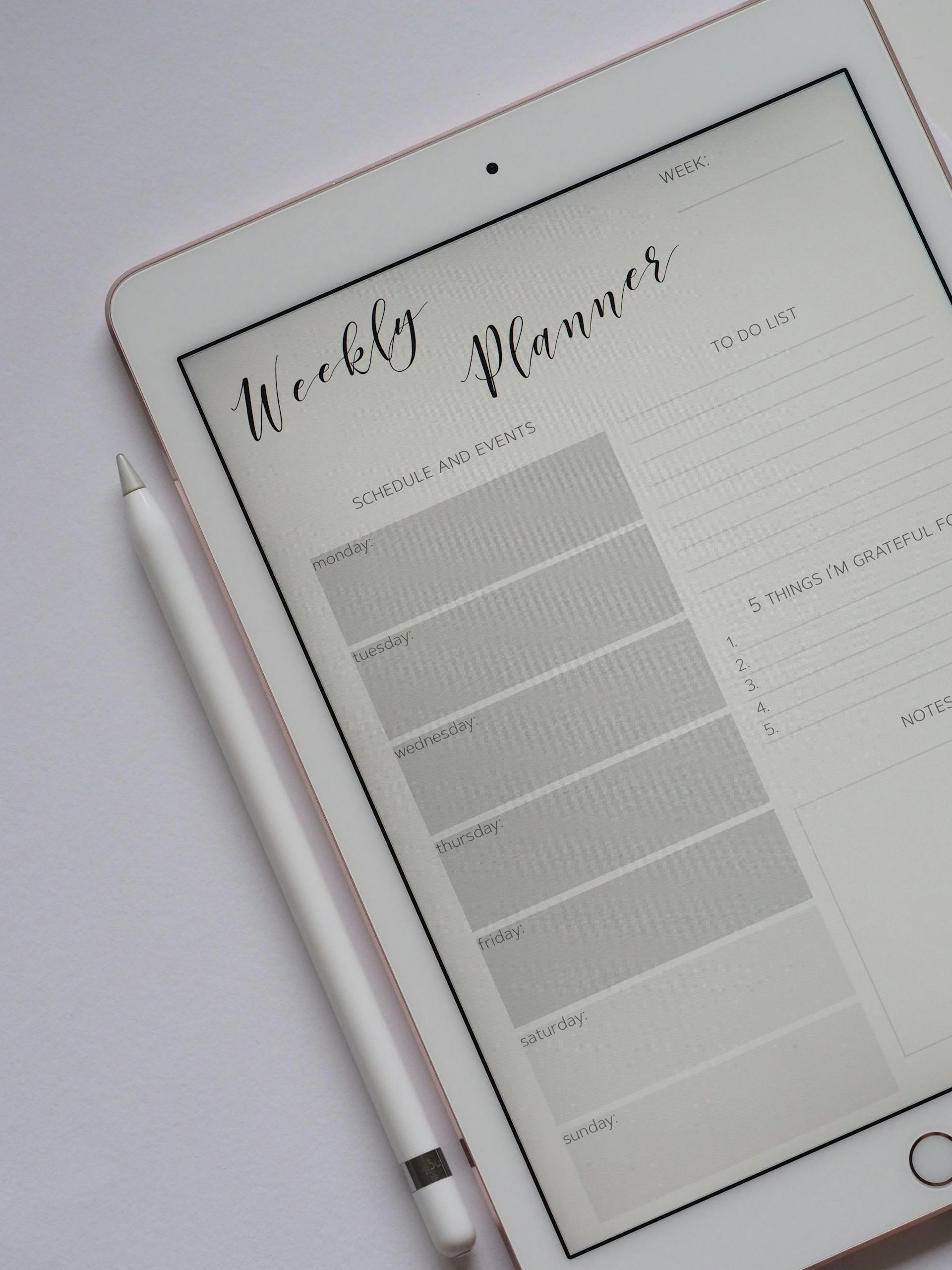
2: Use a Planner to Track Assignments
A planner transforms your academic life from chaotic to controlled. Tracking assignments becomes simple and stress free when you have a systematic approach to organizing your academic commitments.
According to Wayne State University’s Academic Success Center, using a planner centralizes information and reduces academic stress by breaking large projects into manageable steps. Learn how to plan your week effectively for maximum productivity.
When selecting a planner, consider these key features:
- Digital or physical planner based on your personal preference
- Sufficient space to record detailed assignment information
- Monthly and weekly view options
Color coding can revolutionize your planning strategy. Assign specific colors to different subjects or types of tasks. For instance, use blue for math assignments, green for science projects, and red for urgent deadlines.
Make your planner a daily habit. Set aside 10 minutes each evening to review upcoming assignments, update your schedule, and prioritize tasks. This small investment of time prevents last minute scrambles and missed deadlines.
Pro tip: Always record the assignment details immediately after it is given. Include due dates, required materials, and specific instructions. This approach ensures nothing slips through the cracks and helps you stay ahead of your academic workload.
Remember, a planner is more than just a notebook. It is your personal roadmap to academic success, helping you transform overwhelming tasks into achievable goals.
3: Create a Daily Study Schedule
A structured daily study schedule transforms random studying into purposeful learning. Without a clear plan, your academic efforts can feel scattered and ineffective.
According to research from the National Center for Biotechnology Information, maintaining consistent study patterns significantly improves learning outcomes. Learn more about creating a productive day schedule to maximize your academic potential.
When designing your study schedule, focus on these critical elements:
- Identify your most productive hours
- Schedule challenging subjects during peak energy times
- Include regular short breaks
Time blocking is a powerful technique for creating an effective study schedule. Assign specific time slots to different subjects or tasks. For instance, dedicate 90 minutes to math in the morning, followed by a 15-minute break, then 60 minutes for science homework.
Consider your personal energy rhythms. Some students are morning people, while others perform better in the evening. Align your most challenging subjects with your peak performance times. If you struggle with math and are most alert in the morning, schedule it early in the day.
Remember to build flexibility into your schedule. Life happens, and rigid plans can lead to frustration. Allow some buffer time for unexpected events or tasks that might take longer than anticipated.
A good study schedule should also include:
- Time for review and revision
- Physical exercise
- Adequate sleep
Tracking and adjusting your schedule is crucial. Review your study plan weekly and make modifications based on your actual performance and changing academic demands. The goal is progress, not perfection.
4: Organize Your Study Space Effectively
Your study environment dramatically impacts your learning potential. A well-organized study space can transform your academic performance by minimizing distractions and maximizing concentration.
According to the University of Minnesota, creating an optimal study environment involves strategic planning. Learn more about organizing your study space for maximum focus to boost your productivity.
When designing your study area, prioritize these essential elements:
- Good lighting that reduces eye strain
- Comfortable seating with proper back support
- Minimal noise and potential distractions
Decluttering is key. Remove unnecessary items from your study space that might divert your attention. Keep only essential materials like textbooks, notebooks, writing tools, and perhaps a water bottle within reach.
Electronic management is crucial in modern study environments. Keep your phone on silent or in another room. Use website blockers during study time to prevent social media and entertainment sites from interrupting your focus.
Consider these additional organization strategies:
- Use desk organizers for supplies
- Create a dedicated charging station for electronics
- Keep reference materials neatly arranged
Experiment with different study space setups. Some students prefer absolute silence, while others work better with soft background music. Find what works best for your concentration and learning style.
Remember, your study space is a personal sanctuary for learning. Invest time in creating an environment that feels comfortable, inspiring, and conducive to academic success.
5: Prioritize Tasks with a To-Do List
A strategic to-do list transforms chaos into clear, actionable steps. Without proper prioritization, students can feel overwhelmed by multiple academic responsibilities.
According to the American Psychological Association, effective task management through to-do lists can significantly improve academic achievement. Learn more about staying on top of your assignments to maximize your productivity.
When creating your to-do list, implement these critical strategies:
- Rank tasks by urgency and importance
- Break larger tasks into smaller, manageable steps
- Set realistic deadlines for each task
Color coding can make your to-do list more effective. Use different colors to represent various types of tasks. For example, red for urgent assignments, green for long-term projects, and blue for routine tasks.
Consider the Eisenhower Matrix for prioritization. Divide your tasks into four categories:
- Urgent and important (do immediately)
- Important but not urgent (schedule)
- Urgent but not important (delegate if possible)
- Neither urgent nor important (eliminate)
Digital tools can help streamline your to-do list management. Many apps allow you to set reminders, track progress, and sync across devices. However, some students prefer traditional pen and paper for better memory retention.
Update your to-do list daily. Spend 10 minutes each evening reviewing and adjusting your tasks for the next day. Celebrate completed items by crossing them off or marking them as done.
Remember, a to-do list is a flexible tool. It should adapt to your changing academic needs and help you stay focused without becoming another source of stress.

6: Break Down Large Projects into Steps
Transforming overwhelming assignments into manageable tasks is a critical student survival skill. Large projects can feel intimidating, but strategic breakdown makes them conquerable.
Breaking complex projects into smaller steps reduces stress and increases the likelihood of successful completion. By dividing big tasks into bite-sized actions, you create a clear roadmap to achievement.
When approaching a large project, start with these essential strategies:
- Identify the project’s final deadline
- List all required components
- Estimate time needed for each component
Reverse engineering works wonderfully for project management. Begin with the end goal and work backward, creating checkpoints and mini-deadlines along the way. This approach helps you understand the full scope of the project and prevents last minute panic.
Create a visual project timeline. Use a physical calendar or digital tracking tool to map out each step. Color code different stages to make your progress visually apparent. Green could represent completed tasks, yellow for in-progress items, and red for upcoming deadlines.
Consider these additional project breakdown tips:
- Start with research and planning
- Allocate buffer time for unexpected challenges
- Review and adjust your timeline regularly
Taking small, consistent steps prevents burnout. Reward yourself after completing each project milestone to maintain motivation. This could be something simple like a favorite snack or a short break doing something you enjoy.
Remember, breaking down projects is not just about completing assignments. It is about developing a systematic approach to tackling complex challenges that will serve you throughout your academic and professional career.
7: Keep Digital and Physical Files Organized
Mastering file organization transforms academic chaos into strategic efficiency. Your ability to quickly locate documents can save hours of unnecessary stress and frustration.
According to Carnegie Mellon University’s Academic Development, systematic file management is crucial for student success. Learn more about organizing digital files for academic achievement to streamline your workflow.
When organizing your files, implement these core strategies:
- Create consistent folder naming conventions
- Use year, semester, and course labels
- Backup important documents regularly
Digital Organization Techniques:
- Develop a logical folder hierarchy
- Use cloud storage for file backup
- Delete unnecessary files periodically
For physical files, invest in a simple filing system. Use color coded folders or tabs to distinguish between subjects. Keep only essential printed materials. Scan documents you want to preserve but do not need physical copies.
Utilize digital tools like Google Drive or Dropbox to synchronize files across devices. These platforms offer version tracking, making it easy to recover previous document iterations.
Remember to clean your digital and physical storage spaces regularly. Set a monthly reminder to review and reorganize your files, removing outdated materials and consolidating your storage.
A well-organized file system is more than just neat storage. It is a powerful tool that reduces academic stress and helps you focus on learning and achieving your educational goals.
8: Set Time Limits for Study Sessions
Strategic time management transforms study sessions from marathon slogs into focused, productive bursts. Unlimited study time does not equal better learning.
Research shows that your first hour of studying is typically your most effective. Learn more about time management strategies for exam preparation to maximize your academic performance.
Implement these critical time management strategies:
- Use the Pomodoro Technique
- Limit individual subject study to 45-60 minutes
- Include mandatory short breaks between sessions
The Pomodoro Technique involves studying in concentrated 25-minute intervals followed by 5-minute breaks. After four intervals, take a longer 15-20 minute break. This approach prevents mental fatigue and maintains high concentration levels.
Consider these additional time management tips:
- Track your actual study time
- Identify your most productive hours
- Adjust study sessions based on energy levels
Experiment with different time limits to discover your optimal study duration. Some students perform best with 30-minute sessions, while others can concentrate effectively for up to 90 minutes.
Use timers or apps to enforce your study session boundaries. This helps create a sense of urgency and prevents mindless scrolling or procrastination.
Remember, quality trumps quantity. Focused, intentional studying for shorter periods is more effective than hours of distracted, low-engagement learning.

9: Review and Adjust Your Organization Habits
Successful students treat organization as a dynamic skill, not a static destination. Your organizational approach should evolve as your academic challenges change.
Learn more about simple organization techniques for a balanced life and discover how continuous improvement can transform your academic performance.
Establish a regular review process for your organizational strategies:
- Schedule monthly organization check-ins
- Track what works and what doesn’t
- Be willing to experiment with new methods
Honest self-assessment is crucial. Ask yourself critical questions about your current organizational approach:
- Are your current systems saving you time?
- Do you feel less stressed?
- Are you meeting your academic goals?
Keep a performance journal to document your organizational experiments. Note which strategies improved your productivity and which felt like additional work. This data becomes your personal roadmap for continuous improvement.
Dont be afraid to discard strategies that no longer serve you. What worked in high school might not work in college. Flexibility is the key to sustainable organization.
Consider using digital tools that offer tracking and analysis. Many productivity apps provide insights into your study habits, helping you make data driven adjustments to your organizational approach.
Remember, organization is a skill that improves with practice. Your first attempt wont be perfect, and thats okay. Consistent small improvements lead to significant long term success.
10: Develop a Routine for Regular Review
Consistent review transforms scattered learning into structured knowledge retention. Without regular reflection, academic progress becomes fragmented and less meaningful.
Developing a systematic review routine helps you track progress, identify knowledge gaps, and reinforce critical learning concepts. Learn more about creating effective student review techniques to maximize your academic potential.
Implement these strategic review practices:
- Schedule weekly academic progress reviews
- Create a dedicated review time and space
- Use multiple review methods
Effective review involves more than just re-reading notes. Active recall techniques such as self-quizzing, explaining concepts out loud, and creating summary mind maps can significantly enhance learning retention.
Consider these review strategies:
- Summarize key points from each week’s lessons
- Identify challenging concepts needing extra attention
- Connect new information with previously learned material
Digital tools can streamline your review process. Use apps that allow you to create flashcards, generate practice quizzes, and track your learning progress. Many students find visual tracking motivating and informative.
Set specific review times. Sunday evenings or Saturday mornings can be excellent for comprehensive weekly reviews. Keep these sessions structured but flexible, allowing yourself to adapt based on your academic workload.
Remember, consistent small reviews prevent overwhelming cramming sessions. Treat your review routine as a non-negotiable part of your academic success strategy.
Below is a comprehensive table summarizing the 10 essential organization tips for students, highlighting each strategy, its core components, and the main benefits as described in the article.
| Organization Tip | Key Components & Actions | Main Benefits |
|---|---|---|
| Set Clear Goals | Use SMART (Specific, Measurable, Achievable, Relevant, Time-bound) goals; write and review regularly | Increases motivation, focus, and academic outcomes |
| Use a Planner to Track Assignments | Choose digital/physical planner; color code; update daily | Reduces stress, prevents missed deadlines |
| Create a Daily Study Schedule | Time blocking; align with energy levels; include breaks; adjust weekly | Enhances productivity, builds consistency |
| Organize Your Study Space Effectively | Good lighting; comfortable seating; declutter; minimize distractions | Improves concentration and learning efficiency |
| Prioritize Tasks with a To-Do List | Rank urgency/importance; break tasks down; review daily; use color coding | Clarifies priorities, reduces overwhelm |
| Break Down Large Projects into Steps | Identify components; reverse engineer deadlines; create visual timelines | Makes large tasks manageable, eases project tracking |
| Keep Digital & Physical Files Organized | Logical folders; consistent naming; routine backups and cleaning | Ensures quick access, minimizes lost materials |
| Set Time Limits for Study Sessions | Use Pomodoro Technique; set 45-60 min sessions; take planned breaks | Boosts focus, prevents fatigue, improves retention |
| Review & Adjust Organization Habits | Monthly check-ins; performance journaling; be flexible | Supports continuous improvement in productivity |
| Develop a Routine for Regular Review | Weekly reviews; active recall; utilize digital/visual study tools | Reinforces learning, reduces need for last-minute cramming |
Take Your Student Organization to the Next Level
Struggling to keep up with scattered assignments, chaotic notes, or a lack of routine? You are not alone. Many students face the frustration of unfinished to-do lists, overwhelming projects, and lost materials. This article uncovers proven strategies like SMART goals, color coding, structured planners, and time blocking—yet even with these tools, many students find it hard to turn good intentions into daily habits.
Ready to simplify your journey to academic success and a balanced routine? Explore exclusive solutions featured in our tips for organizing your study space for maximum focus and discover personalized digital file strategies in 11 steps to organizing digital files for academic success. Take the first step toward a more organized and empowered student life today.
Recommended
- 10 Organization Tips for Student Success in Academic Life
- 10 Simple Ways to Stay Organized as a Student
- What Are the Most Effective Study Strategies for High School Students?
- 10 Time Management Strategies for Exam Preparation
Want a head start? The Ultimate Student Planner in my shop was made for exactly this — it’ll save you a ton of time.