15 Study Tips for High Schoolers to Ace Final Exams

Are you feeling the weight of final exams pressing down on you? Does your current study routine feel more like a chaotic scramble than a path to success? You aren't alone. Most high schoolers find finals season to be the most stressful time of the year, but it doesn't have to be that way. Ready to transform your stress into confidence and walk into that exam room with a plan?
At Learning With Angie, we believe that academic success isn't about working harder: it's about working smarter. By implementing these 15 essential study tips, you will streamline your revision process, enhance your memory retention, and effectively conquer your exams.
1. Start Your Preparation Early
The biggest mistake you can make is waiting until the week of finals to crack open your books. Procrastination is the enemy of retention. To truly master your subjects, you need time to process information.
- Audit your syllabi at least four weeks before the exam date.
- Identify difficult topics that require extra attention early on.
- Build a timeline that allows for a deep dive into each subject without rushing.
For more targeted advice, check out our High School Study Tips section.
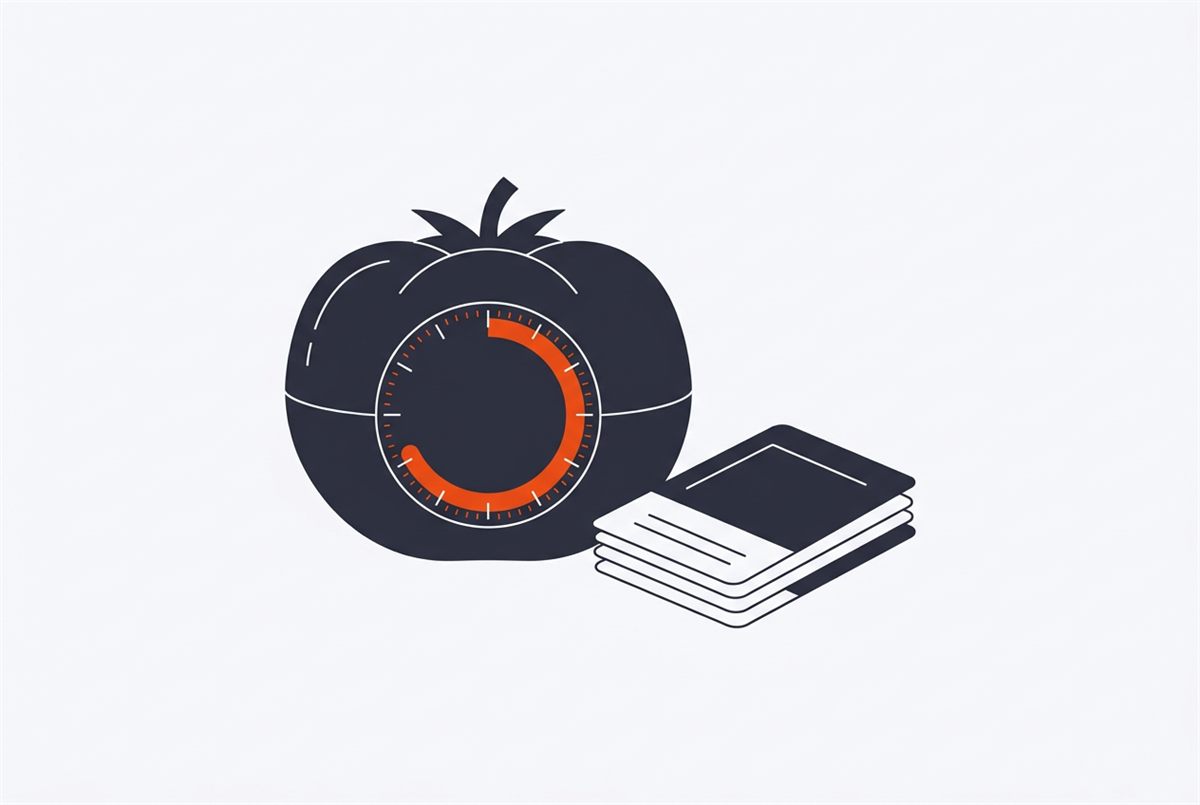
2. Master the Pomodoro Technique
Have you ever sat at your desk for three hours only to realize you’ve been staring at the same page for forty minutes? Your brain needs breaks to stay sharp. The Pomodoro Technique is one of the most effective time management strategies for students.
- Work for 25 minutes with absolute focus.
- Take a 5-minute break to stretch or grab water.
- Complete four cycles, then take a longer 15–30 minute break.
3. Leverage Active Recall
Reading your notes over and over is a passive habit that gives you a false sense of security. You might recognize the information, but can you retrieve it? Active recall forces your brain to pull information from memory.
- Use flashcards to quiz yourself on key terms and dates.
- Cover your notes and try to write down everything you remember about a specific concept.
- Answer practice questions before you feel "ready" to test your baseline knowledge.
4. Implement Spaced Repetition
Cramming all night might help you pass a quiz tomorrow, but it won’t help you ace a cumulative final exam. Spaced repetition involves reviewing material at increasing intervals (e.g., 1 day, 3 days, 1 week, 2 weeks).
- Review new concepts within 24 hours of learning them.
- Schedule follow-up reviews in your digital planner to ensure the info moves to long-term memory.
- Focus on the gaps in your knowledge during each subsequent session.
5. Teach the Material to Someone Else
The best way to confirm you understand a topic is to explain it to someone else. This is often called the Feynman Technique. If you can't explain it simply, you don't understand it well enough yet.
- Explain a concept to a parent, sibling, or even your pet.
- Identify where you stumble during the explanation; those are your weak spots.
- Use analogies to simplify complex ideas, which helps solidify your own understanding.

6. Practice with Past Exams
Nothing prepares you for an exam like taking a version of it. Practice exams help you familiarize yourself with the question format, the wording, and the time constraints you’ll face.
- Ask your teacher for previous years' tests or practice materials.
- Time yourself to simulate real exam conditions and reduce test-day anxiety.
- Review your mistakes thoroughly to understand the logic behind the correct answers.
Explore our Exam Prep Resources for more specialized strategies.
7. Organize Your Digital Space
A cluttered digital desktop leads to a cluttered mind. If you're spending twenty minutes looking for a PDF, you're losing valuable study time. Streamlining your workflow is essential for high-level productivity.
- Use Notion templates to keep your class notes, deadlines, and resources in one place.
- Create dedicated folders for each subject on your computer.
- Bookmark essential research sites so they are just one click away.

8. Create a Dedicated Study Nook
Where you study matters as much as how you study. Your brain associates environments with activities. If you study in bed, you’ll feel sleepy; if you sleep at your desk, you’ll feel restless.
- Designate a quiet area specifically for schoolwork.
- Remove distractions, including your phone (put it in another room!).
- Add personal touches like plants or aesthetic lighting to make the space inviting.

9. Utilize Aesthetic Note-Taking
Let’s be honest: messy, monochromatic notes are boring to look at. Aesthetic note-taking isn’t just for Instagram; using colors and diagrams helps your brain categorize and visualize information more effectively.
- Use color-coding for different types of information (e.g., blue for definitions, red for dates).
- Draw mind maps to connect related concepts visually.
- Incorporate headers and bullet points to make your notes easily scannable for quick reviews.
10. Prioritize Your Sleep
The "all-nighter" is a badge of honor that you need to retire immediately. Sleep is when your brain consolidates memory. Depriving yourself of rest actually makes you more likely to forget what you've studied.
- Aim for 8 hours of quality sleep, especially during finals week.
- Stop studying an hour before bed to let your brain wind down.
- Maintain a consistent sleep schedule to keep your energy levels stable.
11. Fuel Your Body for Focus
Your brain is an energy-hungry organ. If you’re fueled by nothing but energy drinks and candy, you’re going to crash mid-study session.
- Eat brain-boosting snacks like nuts, berries, and dark chocolate.
- Stay hydrated by keeping a water bottle at your desk at all times.
- Avoid heavy meals right before studying to prevent the dreaded "food coma."
12. Block Digital Distractions
Your phone is the single biggest obstacle between you and an A. Notifications are designed to steal your attention. You must take control of your digital environment.
- Turn on Focus Mode or "Do Not Disturb" on all your devices.
- Use website blockers like Freedom or Forest to stay off social media.
- Check your phone only during breaks, and set a timer so you don't scroll for an hour.
13. Join a Productive Study Group
Studying with friends can be a double-edged sword. It’s either a powerhouse of productivity or a social hour. The key is to find people who are as committed to their grades as you are.
- Set an agenda before the group meets so everyone knows what to cover.
- Collaborate on study guides to save time and ensure no one misses a detail.
- Hold each other accountable for staying focused and on task.

14. Use Mandala Coloring for Mental Breaks
Sometimes, a 5-minute break isn't enough to reset your brain after a heavy math session. You need an activity that switches your brain from "logical" to "creative" mode.
- Keep mandala coloring pages at your desk for your longer breaks.
- Color for 15 minutes to lower your cortisol (stress) levels.
- Focus on the patterns to clear your mind before diving back into your books.
15. Set Specific, Manageable Goals
"Study for History" is too vague. When your goals are unclear, you feel overwhelmed and likely won't start. You need to break your tasks down into bite-sized, actionable items.
- Write down three specific tasks you want to accomplish today (e.g., "Summarize Chapter 4").
- Check off tasks as you go to build momentum and a sense of achievement.
- Adjust your plan as needed: flexibility is key to avoiding burnout.
Ready to Ace Your Finals?
Success isn't an accident; it's the result of preparation and the right tools. Whether you're a high school senior looking to secure your college spot or a freshman learning the ropes, these habits will serve you for years to come.
Join The Community today and get our biweekly emails filled with actionable resources, productivity hacks, and the latest tools to help you succeed in and out of the classroom. You've got this!
Want a head start? The Ultimate Student Planner in my shop was made for exactly this — it’ll save you a ton of time.