Guide To Creative Group Project Ideas For High School
Over 60 percent of american high school students participate in group projects each year. These collaborative experiences can shape not only academic achievement but also life-long social and problem-solving skills. Choosing and designing the right creative group project makes a difference in how students engage and grow. This guide offers practical insights so both educators and students can create group projects that inspire, challenge, and truly prepare learners for the future.
Key Takeaways
| Point | Details |
|---|---|
| Collaboration Skills | Group projects foster essential collaboration skills, preparing students for future academic and professional environments. |
| Diverse Project Types | Implementing various project types, like design and problem-solving, enhances creativity and critical thinking. |
| Group Dynamics Management | Effective team management and clear roles are vital for minimizing conflict and promoting productive collaboration. |
| Inclusivity and Safety | Ensuring a supportive environment and implementing flexible assessment criteria can enhance student participation and emotional well-being. |
Defining Creative Group Projects For High School
Group projects are more than just assignments – they’re opportunities for students to develop critical collaboration skills, learn from each other, and tackle complex challenges together. Cooperative learning transforms traditional classroom experiences by creating interactive, dynamic environments where students work towards shared academic goals.
According to Wikipedia, cooperative learning is an educational approach that organizes classroom activities into academic and social learning experiences. The core philosophy emphasizes positive interdependence, where students understand that their individual success is connected to the group’s collective achievement. This means everyone plays a crucial role in reaching the final project outcome.
Creative group projects take multiple forms, but they share fundamental characteristics that make them effective learning tools. For instance, the Wikipedia Jigsaw technique demonstrates how group work can be strategically structured. In this method, students are divided into specialized groups, with each team responsible for a specific portion of an assignment. Later, these segments are combined to create a comprehensive understanding of the entire topic.
Effective creative group projects typically include these key elements:
- Clear learning objectives
- Defined individual and collective responsibilities
- Opportunities for creative problem solving
- Mechanisms for peer feedback
- Balanced workload distribution
By embracing collaborative learning strategies, high school students can develop crucial skills like communication, leadership, time management, and teamwork – abilities that extend far beyond the classroom and prepare them for future academic and professional challenges.
Exploring Types Of High School Projects
High school group projects are dynamic learning experiences that go far beyond traditional classroom assignments. They provide students with opportunities to explore creativity, develop critical thinking skills, and apply real-world problem solving techniques across multiple disciplines.
Design projects represent an exciting category of collaborative work. According to ASCD, these projects involve students inventing products or models by applying scientific principles to create objects that meet specific criteria. For instance, students might use technological software to design an energy-efficient house or engineer a sustainable transportation solution.
Another powerful project type is problem-solving projects. As noted by ASCD, these projects engage students in addressing complex real-world challenges like environmental pollution, economic inequalities, or community health issues. Students research, analyze, and develop potential innovative solutions that demonstrate their analytical and creative capabilities.
Different types of high school group projects include:
- Design Projects
- Problem-Solving Projects
- Research Investigations
- Performance/Creative Arts Presentations
- Community Service Initiatives
- Technology Innovation Projects
- Interdisciplinary Exploration Projects
These diverse project types share a common goal: transforming passive learning into active, engaging experiences that prepare students for future academic and professional challenges. By working collaboratively, students learn to communicate effectively, think critically, and develop practical skills that extend far beyond traditional classroom learning.
Designing Projects That Engage And Educate
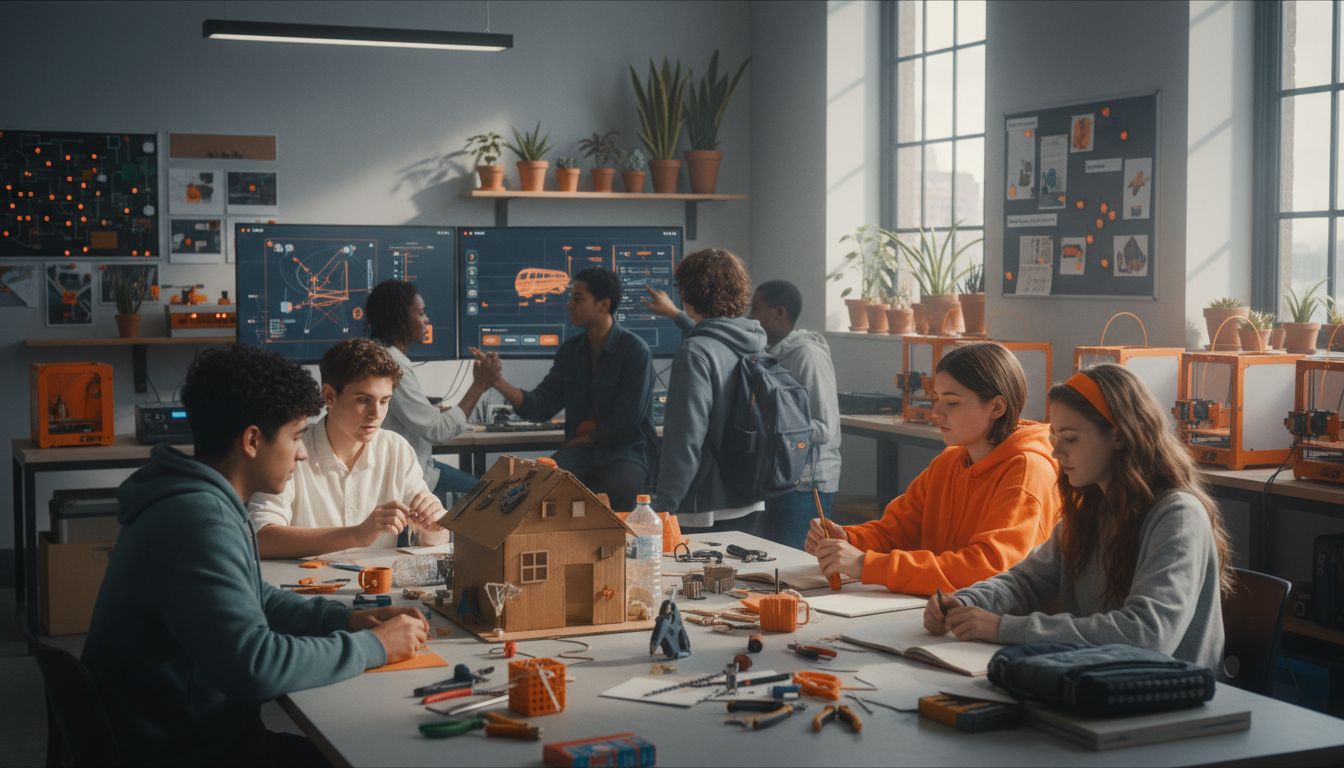
Creating group projects that truly captivate students requires a thoughtful approach that balances educational objectives with creative engagement. Successful projects transform learning from a passive experience into an active, dynamic journey of discovery and collaboration.
Interdisciplinary collaboration offers a powerful framework for designing meaningful projects. arXiv highlights a large-scale research effort that engaged students across disciplines like Computer Science and Electrical Engineering, emphasizing real-world system development and cross-group cooperation. This approach demonstrates how breaking traditional subject boundaries can create rich, immersive learning experiences.
Another innovative model for project design comes from online collaborative platforms. arXiv describes Mosaic, an online community where illustrators share work-in-progress snapshots, fostering an environment that emphasizes sharing the creative process. This model can be adapted to classroom projects, encouraging students to document their progress, seek feedback, and learn from each other’s approaches.
Key principles for designing engaging group projects include:
- Clear, meaningful learning objectives
- Opportunities for creative problem solving
- Authentic real-world connections
- Balanced individual and collaborative work
- Mechanisms for ongoing feedback and reflection
- Flexible frameworks that allow student creativity
Ultimately, the most powerful projects empower students to become active creators of knowledge. By designing experiences that are challenging, collaborative, and connected to real-world contexts, educators can transform group projects from mundane assignments into transformative learning adventures that inspire curiosity, critical thinking, and lifelong learning.
Managing Group Dynamics And Workflow
Successful group projects hinge on effective team management, balancing individual strengths with collaborative goals. Understanding and strategically organizing student interactions can transform potential conflicts into opportunities for meaningful learning and growth.
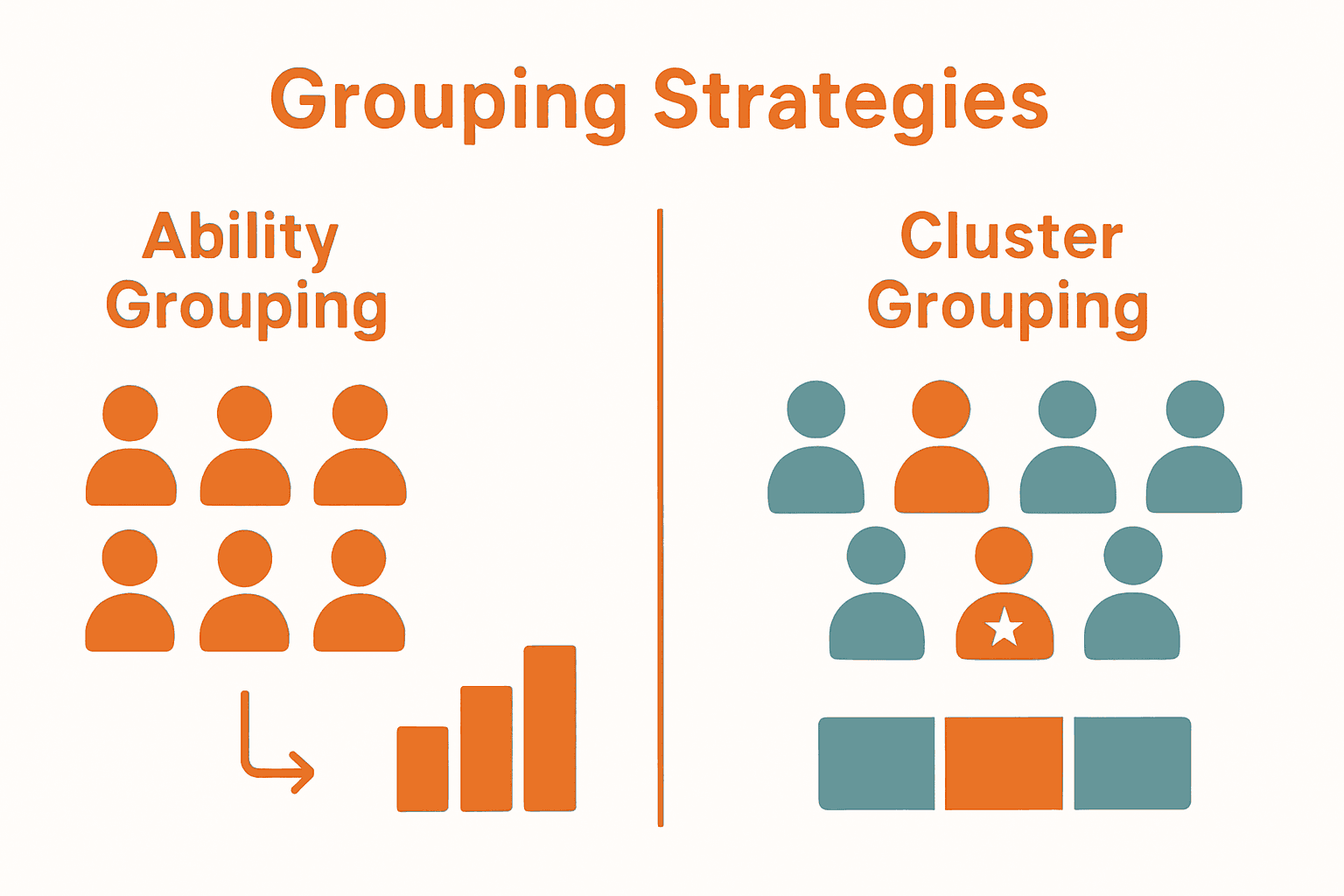
Ability grouping provides one strategic approach to team composition. According to Wikipedia, this method involves organizing students based on their potential or past achievement, allowing teachers to tailor instruction to small groups with similar learning needs. This approach helps create balanced teams where students can complement each other’s skills and learning styles.
Another nuanced strategy is cluster grouping, which Wikipedia describes as a method that assigns a small number of gifted or high-achieving students to a heterogeneous classroom. This technique enables differentiated instruction within a diverse learning environment, ensuring that students with varying capabilities can work together effectively.
Key strategies for managing group dynamics include:
- Establishing clear roles and responsibilities
- Creating transparent communication channels
- Implementing regular progress check-ins
- Developing peer evaluation mechanisms
- Encouraging constructive feedback
- Providing conflict resolution guidelines
By proactively addressing potential challenges and creating structured yet flexible team environments, educators can help students develop crucial collaboration skills. These skills extend far beyond the classroom, preparing students for future professional settings where teamwork and adaptability are essential for success.
Assessing Risks And Ensuring Inclusivity
Group projects require careful planning to create safe, supportive learning environments where every student can contribute and grow. Addressing potential challenges proactively helps educators design experiences that are both academically rigorous and emotionally supportive.
Competition-based learning offers an interesting framework for understanding group dynamics. According to Wikipedia, this approach combines project-based learning with competitive elements to enhance student motivation and performance through structured competition. However, educators must balance competitive aspects with inclusive strategies that prevent marginalization.
Scheduling can also play a crucial role in risk management and student well-being. Wikipedia describes block scheduling as an academic method where students have fewer but longer classes per day, allowing for more in-depth exploration of subjects and potentially reducing student stress. This approach can create more meaningful space for collaborative work and individual support.
Key strategies for ensuring inclusive and safe group projects include:
- Conducting initial team compatibility assessments
- Creating clear anti-bullying and respectful interaction guidelines
- Providing multiple participation pathways
- Offering alternative communication methods
- Implementing confidential feedback mechanisms
- Designing flexible assessment criteria
By prioritizing student emotional safety and creating adaptable learning environments, educators can transform group projects from potential sources of anxiety into powerful opportunities for personal growth, mutual understanding, and collaborative learning.
Unlock Success In High School Group Projects With Smart Strategies
Creative group projects demand clear roles, balanced teamwork, and effective time management to overcome challenges like coordinating responsibilities and ensuring every voice is heard. If you find yourself struggling with managing group dynamics or staying organized while fostering creativity, you are not alone. Many students seek ways to enhance collaboration skills and maintain focus without feeling overwhelmed.
At Learning With Angie, we provide practical tools and guidance designed to boost your productivity and study routines. With insights on time management, goal setting, and maintaining balance, you will gain confidence to lead projects, navigate teamwork, and deliver outstanding results. Take the next step to transform your group project experiences by exploring our expert tips on mastering productivity and creating effective study habits.
Recommended
- Ultimate College Application Planner + 14 Must-Do Tasks
- 26 Essential Tips for Freshman Year of High School From a Graduate
- Why Junior Year is Not Too Late to Start Extracurriculars
- 16 Essential College Care Package Ideas to Support and Inspire Students