
Why Your Messy Room is Literally Costing You Money (And How to Fix It Without Going Broke)
Being organized isn’t just about looking put-together – it’s about keeping your bank account from crying every month.
Here’s something wild: that pile of clothes on your chair and those scattered receipts on your desk aren’t just eyesores. They’re actually costing you real money.
And I’m not talking about some abstract “time is money” nonsense. I mean cold, hard cash leaving your pocket because you can’t find your stuff.
Want to know how I learned this the hard way? Let me tell you about the great USB cable incident of last semester…
The $50 Wake-Up Call That Changed Everything
Picture this: it’s 7:30 PM, and I’m frantically searching my dorm room for a phone charger. My phone’s at 2%, I have an exam tomorrow, and I don’t have time to make a Target run – plus… my alarm is on my phone.
Did I keep searching through the disaster zone that was my room? Nope.
I panic-bought a new charger from the campus store for $25. The next morning, while cleaning up (finally), guess what I found under a pile of laundry? Not one, but TWO perfectly good chargers.
That $25 mistake (two times) got me thinking. How much money was my disorganization actually costing me?
Spoiler alert: way more than I wanted to admit.
The Hidden Money Drain You Didn’t See Coming
Lost items aren’t just annoying – they’re expensive.
When you can’t find something you need, you’ve got two choices:
- Spend time searching (and maybe miss deadlines)
- Spend money replacing it
Both options suck. But one sucks for your wallet too.
My roommate Sarah learned this when she bought three identical notebooks in one semester. She kept “losing” them, only to find them later in different spots around our tiny room.
That’s $15 down the drain for something she already owned. Multiply that by textbooks, supplies, snacks, and random stuff you need for projects? You get the picture… It adds up fast.
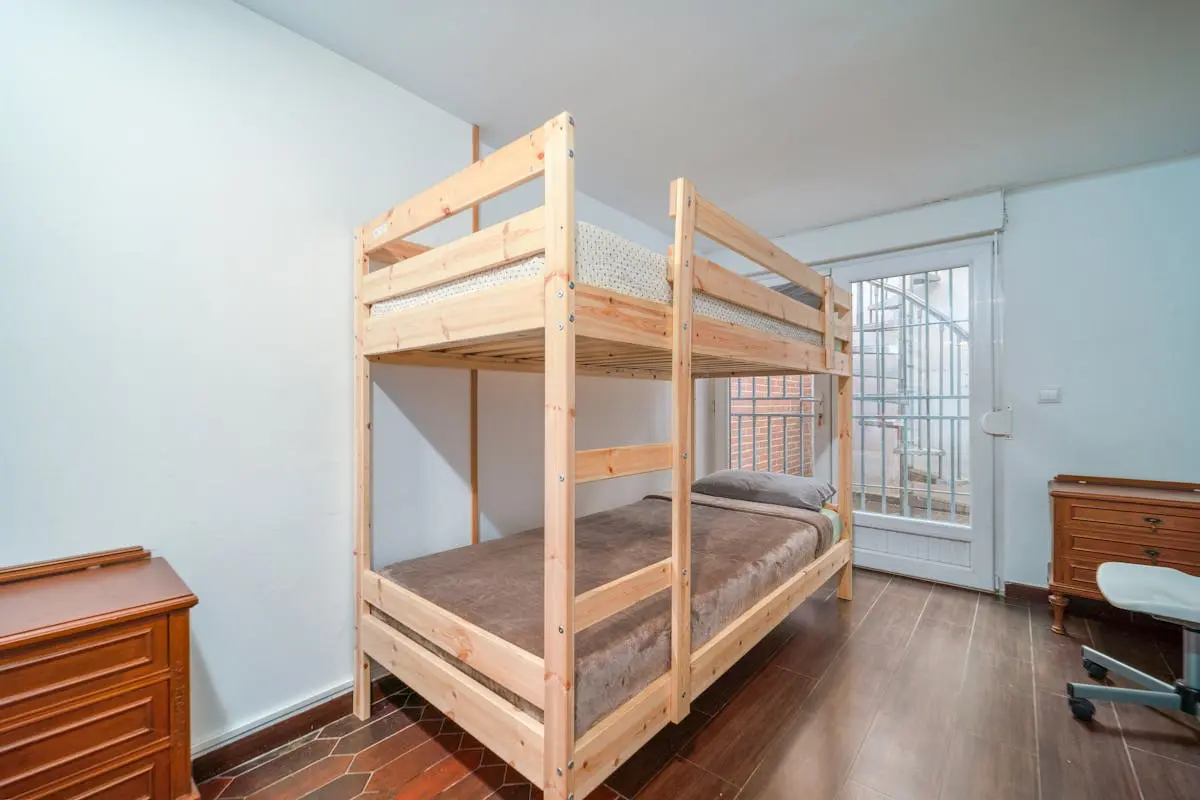
Your Dorm (or Apartment) is Not a Black Hole (Even Though it Feels Like One)
The “one in, one out” rule will save your sanity and your money.
Here’s the truth about small spaces: they get cluttered fast. And cluttered spaces eat your stuff like some kind of materialistic monster.
Once I reached the right number of items, I started following this simple rule: every time I buy something new, something else has to go. New sweater? Old one gets donated. New book? One from last semester goes to the book exchange. (I’m NOT suggesting you do this if you only have two sweaters but, hopefully you get the idea).
This keeps your space manageable AND forces you to think twice before buying stuff. Because now every purchase has a “cost” – you have to decide what you’re willing to give up.
Trust me, it makes you way more intentional about spending.
Time Management That Actually Saves You Cash
Poor planning is expensive planning.
You know what costs money? Procrastination.
When you wait until the last minute, everything gets more expensive:
- Need a textbook tomorrow? No time for used options or price comparison
- Forgot about that project? Hello, overpriced supplies at the campus store
- Running late for work? surge pricing on rideshares
I used to be the queen of last-minute everything. Until I calculated that my “time blindness” was costing me about $200 a month in unnecessary expenses.
Now I use a simple weekly planner (nothing fancy, just something that helps me see deadlines coming). It’s literally paid for itself dozens of times over.

Meal Planning: Or How I Stopped Hemorrhaging Money at the Campus Food Court
Being organized about food = eating better for way less money.
Let’s be real: when you’re hungry and unprepared, your wallet suffers.
Last year, I was spending about ( 15 a day on campus food. That′s over )100 a week. For mediocre food that left me hungry two hours later.
So I got strategic about meal planning. Not some Pinterest-perfect meal prep situation – just basic organization.
Every Sunday, I spend about 20 minutes planning out my meals for the week. I make a grocery list based on what I actually need. I prep a few easy things I can grab when I’m rushing between classes. You can still do this even if you live in a dorm.
The result? My food spending dropped to about $60 a week. And I’m eating way better.
That’s $40 a week back in my pocket. Over a semester, that’s enough for textbooks or a spring break fund.
Financial Tracking That Doesn’t Make You Want to Cry
You can’t manage money you’re not watching.
I know, I know. Budgeting sounds about as fun as watching paint dry.
But here’s what you need to know: you don’t need some complex system that takes hours to maintain. You just need to know where your money goes.
I use a simple app that connects to my bank account and categorizes spending automatically. Takes literally zero effort once it’s set up.
The first month was eye-opening. I was spending $80 a month on coffee. EIGHTY DOLLARS. On coffee that was good, I’ll admit, but was it THAT good?
Now I know my spending patterns, and I can make smarter choices. Maybe I get coffee three times a week instead of daily. Maybe even less trips is better for my budget and it makes the times I do go a little more special. Maybe I invest in a decent coffee maker….
You can’t fix what you can’t see.

Your Study Space: Where Productivity Meets Your Bank Account
A chaotic workspace creates chaotic spending.
When your desk looks like a tornado hit it, you make expensive mistakes:
- Miss assignment deadlines = a lower grade
- Can’t find important documents = replacement fees
- Lose track of due dates = late fees
- Feel overwhelmed = stress-shopping online
My desk used to be a disaster. Papers everywhere, supplies scattered, no system for anything.
Then I got tired of paying late fees because I couldn’t find bills before their due dates. And buying new pens every week because mine kept disappearing into the void. (I kept thinking they were in the same place all those missing socks disappear to from the dryer).
Now I have a simple filing system (just a few folders) and designated spots for everything. My stress levels dropped, and so did my impulse purchases.
The Storage Solutions That Actually Matter
Smart storage doesn’t have to cost a fortune.
You don’t need expensive organizational systems to get your life together. Some of my best storage solutions came from dollar stores and thrift shops.
A few small bins can corral your school supplies. A simple over-the-door organizer can hold snacks, toiletries, and random important stuff. Even repurposing food containers can help organize smaller items.
The goal isn’t Instagram-worthy perfection. It’s knowing where your stuff is so you don’t buy it twice.
The Real Cost of Disorganization
It’s not just money – it’s your mental energy too.
Being disorganized is exhausting. You spend mental energy searching for things, remembering where you put stuff, and dealing with the stress of chaos.
That mental fatigue makes you more likely to make poor financial decisions. You’re too tired to comparison shop. Too overwhelmed to meal plan. Too stressed to think clearly about purchases.
Getting organized gives you back that mental space. Which helps you make better money decisions across the board.
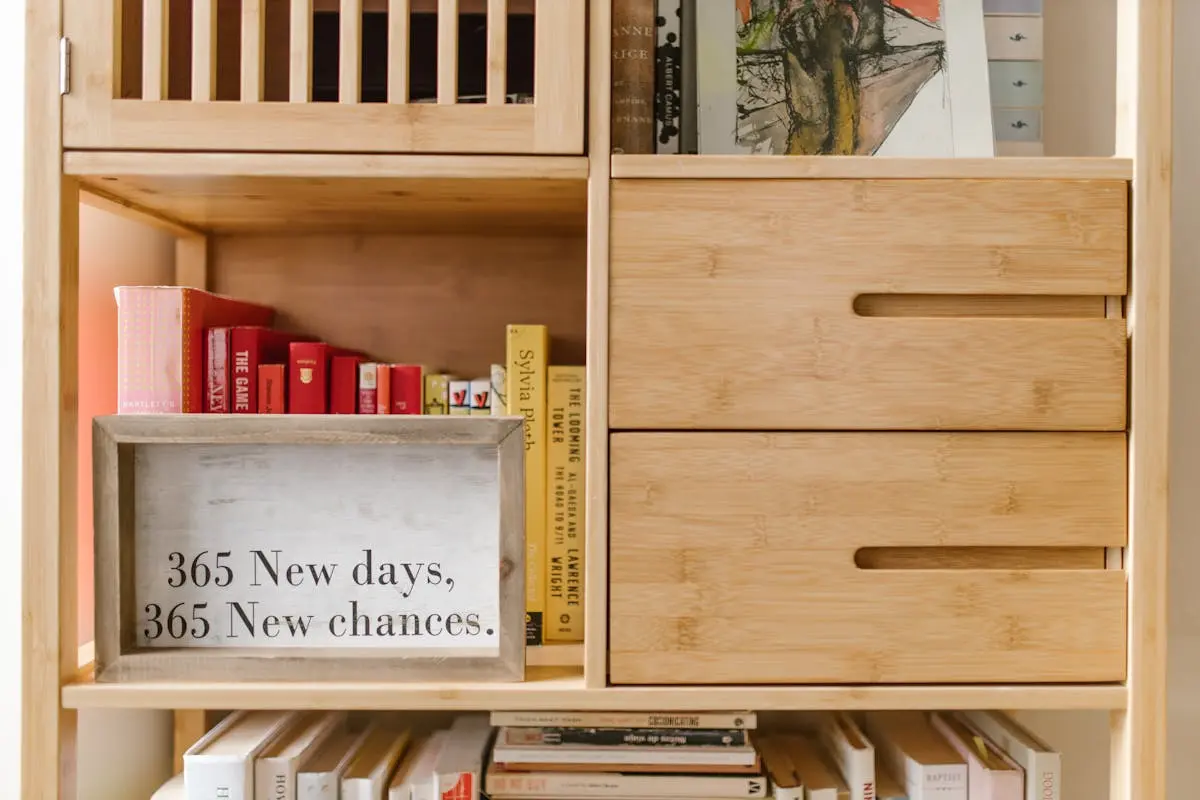
Creating Systems That Actually Stick ( & Won’t Overwhelm You)
The best organizational system is the one you’ll actually use. Start with what bugs you most.
Don’t try to overhaul your entire life in one weekend. That’s a recipe for burnout and going back to old habits.
Start small:
- Can’t find your stuff? Designate one spot for your keys and wallet
- Missing deadlines? Set up a simple calendar system and Put bills and important papers in one place
- Set up a simple cleaning schedule (10 minutes a day beats a 3-hour weekend marathon)
- Buying duplicates? Do a quick inventory before any shopping trip
- Overspending on food? Try planning just three meals this week
- Use your phone’s calendar for deadlines and due dates
Pick one area to focus on each week. Build the habit before adding something new.
Remember: progress over perfection. A slightly organized space that you maintain beats a perfectly organized space that falls apart in a week.
The Bottom Line
Organization isn’t about being perfect – it’s about being intentional.
You don’t need to become a minimalist guru or organization expert. You just need systems that work for your life and your budget.
Start small, be consistent, and watch your financial stress decrease along with your clutter.
Your bank account (and your peace of mind) will thank you.
Ready to get your life together without spending a fortune? Check out my Ultimate Student Planner – it includes printable planners, budget templates, and more… designed specifically for college students on a budget. Because being organized shouldn’t cost you more money than being messy does.
What’s your biggest organization fail that cost you money? Drop a comment – we’ve all been there!
Want a head start? The Ultimate Student Planner in my shop was made for exactly this — it’ll save you a ton of time.