
Looking For Your First Student Credit Card? Here Are 10 Things You Should Know About Credit Scores and Scams
Getting your first credit card is a major milestone. It’s more than just a piece of plastic; it’s your first real step toward financial independence and personal responsibility. But if you're like most students, the world of interest rates, credit limits, and credit scores can feel like a maze.
Ready to become financially savvy and build a future that your 30-year-old self will thank you for?
At Learning With Angie, we believe that student success isn't just about your GPA: it's about mastering the life skills that help you thrive. Money management is one of those essential skills. Before you hit "apply" on that shiny new offer, let’s break down the 10 things you absolutely need to know to stay safe and stay ahead.
1. Understand What Makes a "Student" Card Different
Student credit cards are specifically designed for people like you: high school seniors or college students with little to no credit history. They are the training wheels of the financial world.
- Easier Approval: These cards have lower entry requirements because banks expect you to be a beginner.
- Lower Credit Limits: You’ll likely start with a smaller spending limit (often between $500 and $1,000) to help you manage your spending.
- Student Perks: Many cards offer rewards tailored to your lifestyle, like cash back on textbooks, gas, or even grocery store runs.
2. Decode the Five Pillars of Your Credit Score
Your credit score is essentially your "financial grade point average." It tells lenders how trustworthy you are. To build a high score, you need to understand exactly what goes into the calculation.
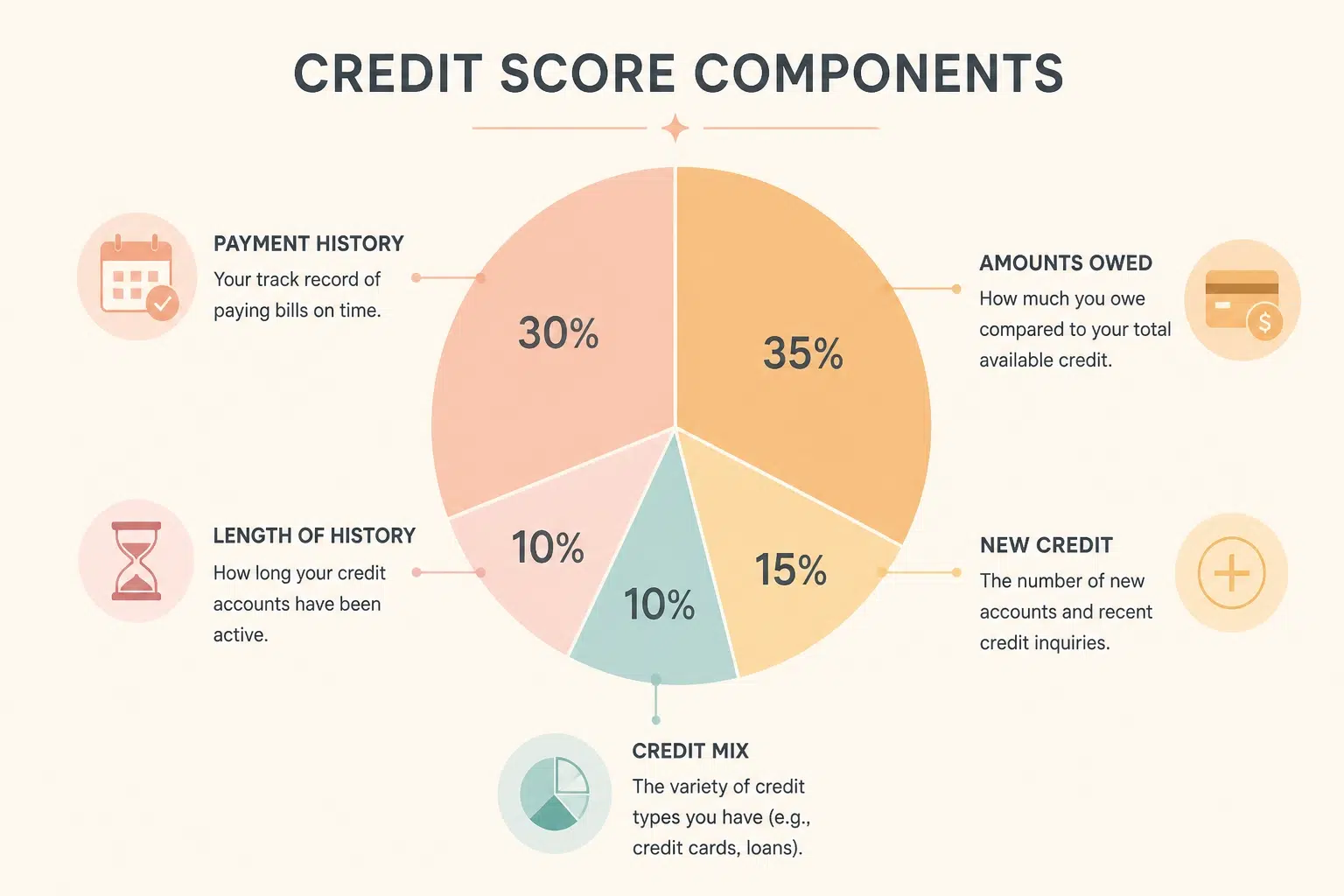
- Payment History (35%): This is the most important factor. Always pay your bill on time. Even one late payment can tank your score.
- Amounts Owed (30%): Also known as credit utilization. Try to keep your balance below 30% of your total limit. Want extra help monitoring your usage? Check out our $7 First Credit Safety & Score Tracker to keep your credit utilization visible and your score-building habits consistent.
- Length of Credit History (15%): The longer you hold your account, the better. This is why starting early (and keeping the card open) is beneficial.
- New Credit (10%): Opening too many accounts at once can look risky to lenders.
- Credit Mix (10%): A variety of credit types (like a car loan and a credit card) can help, but don't worry about this too much while you're a student.
3. Know the "Under 21" Rules
If you are under 21, the law requires you to prove you have an independent source of income to get a card on your own. This can include a part-time job or even certain types of financial aid. If you don't have an income, you’ll likely need a co-signer: usually a parent: who agrees to be responsible for the debt if you can’t pay it.
4. Master Your Monthly Budget First
A credit card isn't "free money." It’s a short-term loan. If you don't have a plan for your money, a credit card can quickly lead to stress. Before you start swiping, you need a clear view of your subscriptions, spending, and savings.
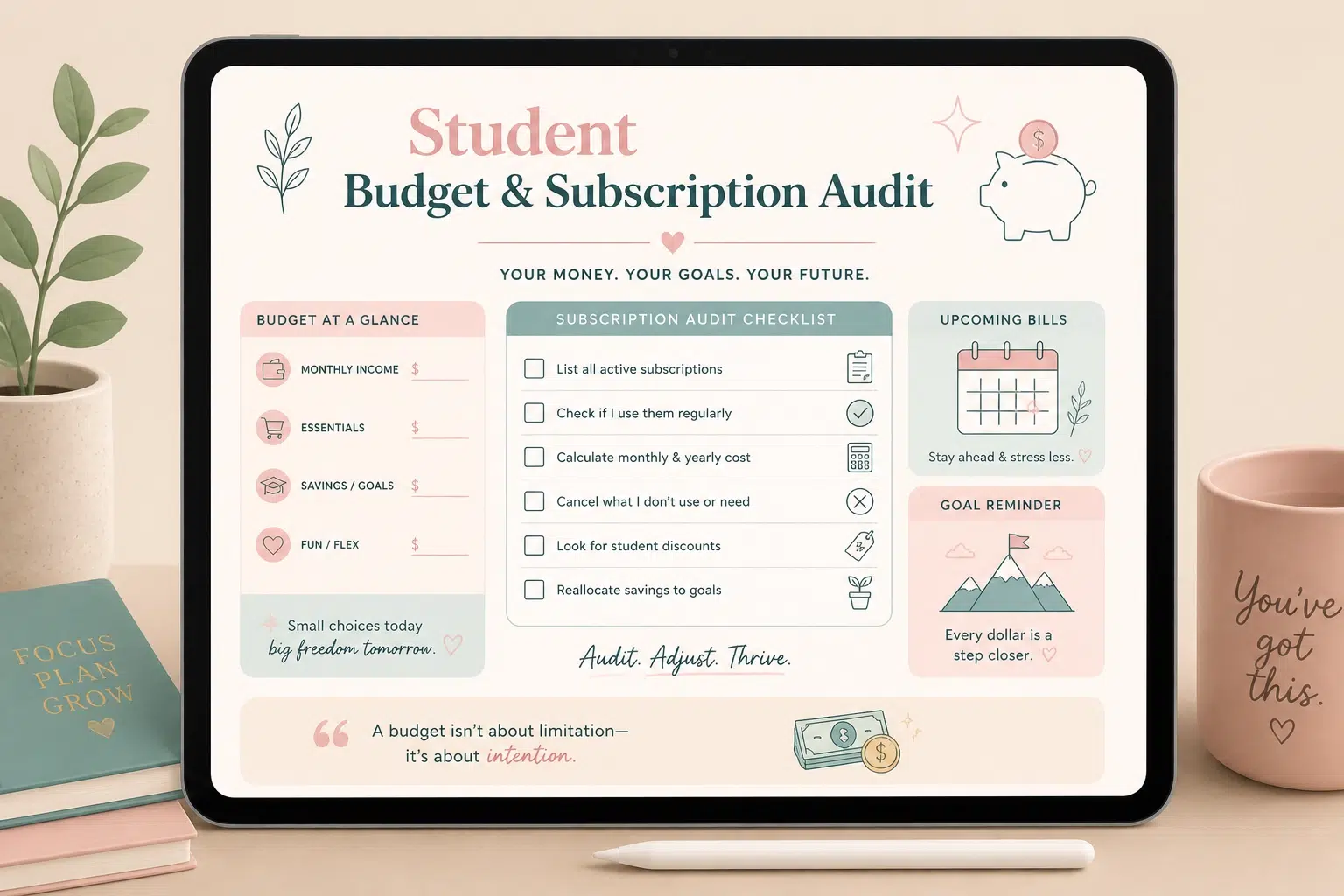
Essential Resource: To keep everything in order, check out our $9 Student Budget & Subscription Audit template. It’s designed to help you streamline your finances so you never have to guess if you can afford that next bill.
Want a simpler way to stay on top of your spending? Use the Student Budget & Subscription Audit (Notion) to track recurring charges, spot waste, and make sure your budget actually works for real student life.
5. Beware of the APR Trap
APR stands for Annual Percentage Rate. In simple terms, it’s the interest you pay for the privilege of borrowing money. Student cards often have higher interest rates than standard cards.
- The Golden Rule: If you pay your statement balance in full every month, you will never pay a cent in interest.
- Avoid Minimum Payments: Paying only the minimum amount is how banks make money and how students fall into debt.
6. Spot "Too Good to Be True" Scams
Scammers love to target students because they know you're new to the game. You might receive emails or social media ads for "exclusive" student cards with no interest ever or massive sign-up bonuses.
- Verify Everything: If an offer doesn't come from a major, recognizable bank, be extremely cautious.
- No Upfront Fees: Real credit cards will never ask you to pay a "processing fee" or "activation fee" via a gift card or wire transfer.
7. Protect Your Social Security Number
When you apply for a card, you’ll have to provide your Social Security Number (SSN). Scammers often set up phishing websites that look exactly like a bank’s login page just to steal this info.
- Check the URL: Ensure the website starts with
https://and has the correct bank name spelled perfectly. - Avoid Public Wi-Fi: Never apply for a credit card or check your bank account while using public Wi-Fi at a cafe or library without a VPN.

8. Avoid the "Credit Repair" Myth
You might see ads promising to "instantly boost your credit score" for a fee. These are almost always scams. There is no legal way to remove accurate information from your credit report or "hack" your score higher overnight. The only way to build a great score is through consistent, responsible habits.
9. Use Your Card for Small, Recurring Costs
The best way to build credit without overspending is to put one small, fixed cost on your card: like your Spotify or Netflix subscription.
- Set it and Forget it: Use your bank's auto-pay feature to pay off that small balance every month.
- Stay Organized: This ensures you are building a history of on-time payments without the temptation to overspend on daily shopping.
10. Check Your Reports for Free
You are entitled to a free credit report from each of the three major bureaus (Equifax, Experian, and TransUnion) every year at AnnualCreditReport.com.
- Monitor for Identity Theft: Checking your report is the only way to make sure someone hasn't opened an account in your name.
- Catch Mistakes: If you see an error on your report, you can dispute it to keep your score healthy.

Ready to Level Up Your Life Skills?
Building financial literacy is one of the most empowering things you can do during your student years. It’s about more than just numbers; it’s about creating the freedom to focus on your education and your passions without the weight of financial stress.
If you found these tips helpful, you’ll love the rest of our community resources. From High School Planning Guides to Daily Healthy Habit Checklists, we provide the tools you need to succeed in every area of life.
Join The Community
Sign up for our biweekly newsletter to get actionable resources, study hacks, and student life tips delivered straight to your inbox.
Sign up here to join thousands of students building their best lives.
Want a head start? The Ultimate Student Planner in my shop was made for exactly this — it’ll save you a ton of time.