
7 Mistakes You’re Making With Your Digital Focus (And How to Stop the Phone Pickup Cycle)
Ever sat down to write one paragraph of an essay, only to find yourself forty minutes deep into a "What Your Favorite Pasta Shape Says About Your Personality" quiz? You aren't alone. In fact, research shows the average student can barely concentrate for more than three to five minutes before the urge to check a device kicks in.
We call this the Phone Pickup Cycle. It’s that invisible loop where you check a text, which leads to a scroll, which leads to a search, which leads to… wait, what was I doing again?
If you want to master time management for students, you have to stop fighting your brain and start fixing your environment. Your digital focus isn't broken; it's just being sabotaged by these seven common mistakes. Ready to reclaim your brain?
1. Treating Every Notification Like a Five-Alarm Fire
Most of us live in a state of "continuous partial attention." You're trying to solve a math problem, but your pocket buzzes. Even if you don't pick it up, your brain has already left the math problem to wonder who DMed you.
- The Mistake: Leaving non-essential notifications on (Instagram, TikTok, even those "helpful" Duolingo reminders) during study hours.
- The Fix: Use Focus Modes or Do Not Disturb. If it’s not an emergency from your parents or a direct call from the president, it can wait thirty minutes.
- The Benefit: To streamline your concentration, you need a silent environment where your phone doesn't get to decide when you're interrupted.
2. Falling for the "Just One Quick Check" Fallacy
This is the heart of the Phone Pickup Cycle. You tell yourself you’re just checking the time or making sure you didn't miss an important email. Ten minutes later, you're looking at a stranger's vacation photos from 2019.
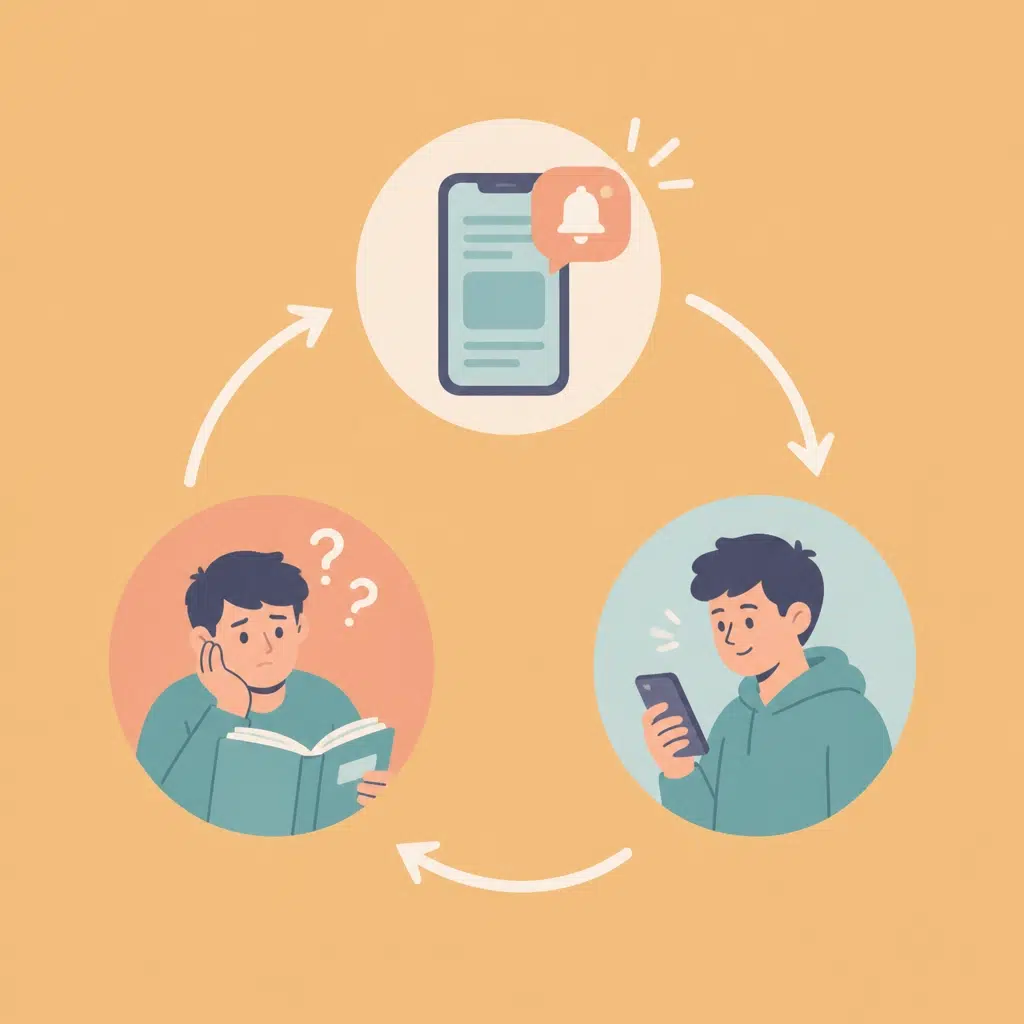
- The Mistake: Thinking you have the self-control to "just check one thing" and get right back to work.
- The Fix: Use a physical clock or a dedicated study timer tool instead of your phone. If you don't pick up the phone to check the time, you can't get sucked into the Instagram abyss.
- The Benefit: To break the cycle, you have to remove the "gateway" triggers that lead to mindless scrolling.
3. Turning Your Phone Into Your Only Reward
Do you finish a task and immediately reach for your phone as a "treat"? This is one of the most common student productivity hacks that actually backfires. By rewarding your brain with high-dopamine digital stimulation, you’re making the "boring" task of studying feel even more painful by comparison.
- The Mistake: Using infinite-scroll apps as your primary study break.
- The Fix: Swap digital rewards for physical ones. Stretch, grab a snack, or step outside for five minutes.
- The Benefit: To enhance your mental clarity, you need breaks that actually let your brain rest, not just switch to a different type of screen fatigue.
4. Letting Your Desktop Become a Digital Junkyard
Digital focus isn't just about your phone; it’s about that "other" screen too. If you have 47 tabs open, three different Word docs, and a Spotify playlist all fighting for space, your brain is working overtime just to filter out the noise.
- The Mistake: Working with "Visual Clutter" on your screen.
- The Fix: Use a "One Tab" rule or a browser extension that hides everything but your current project.
- The Benefit: To effectively organize your workflow, you must treat your digital desktop like your physical one: keep it clean, or your focus will stay messy.
5. Skipping the Weekly Focus Audit
How do you know if your study habits are actually working? Most students just hope for the best and wonder why they're still pulling all-nighters. If you don't track where your time goes, you can't fix the leaks.

- The Mistake: Operating on "vibes" instead of data.
- The Fix: Conduct a Weekly Focus Audit. Look at your screen time reports and compare them to your assignment progress.
- The Essential Tool: To make this easy, we recommend using our Study Habit Reset Kit. It’s designed to help you identify exactly where your focus is failing and give you a roadmap to get back on track.
- The CTA: Want a simple way to review your habits every week? Grab the free habit tracker templates to track distractions, spot patterns, and make your Weekly Focus Audit actually useful.
- The Benefit: To keep everything in order, you need a system that forces you to be honest about your distractions.
6. Working in "Low-Power Mode" Without Real Breaks
Do you ever sit at your desk for four hours, but only actually "work" for one? That’s because you’re trying to power through mental fatigue. Without structured breaks, your brain will eventually force its own "break" by making you stare blankly at a wall (or your phone).
- The Mistake: Thinking "more hours" equals "more work."
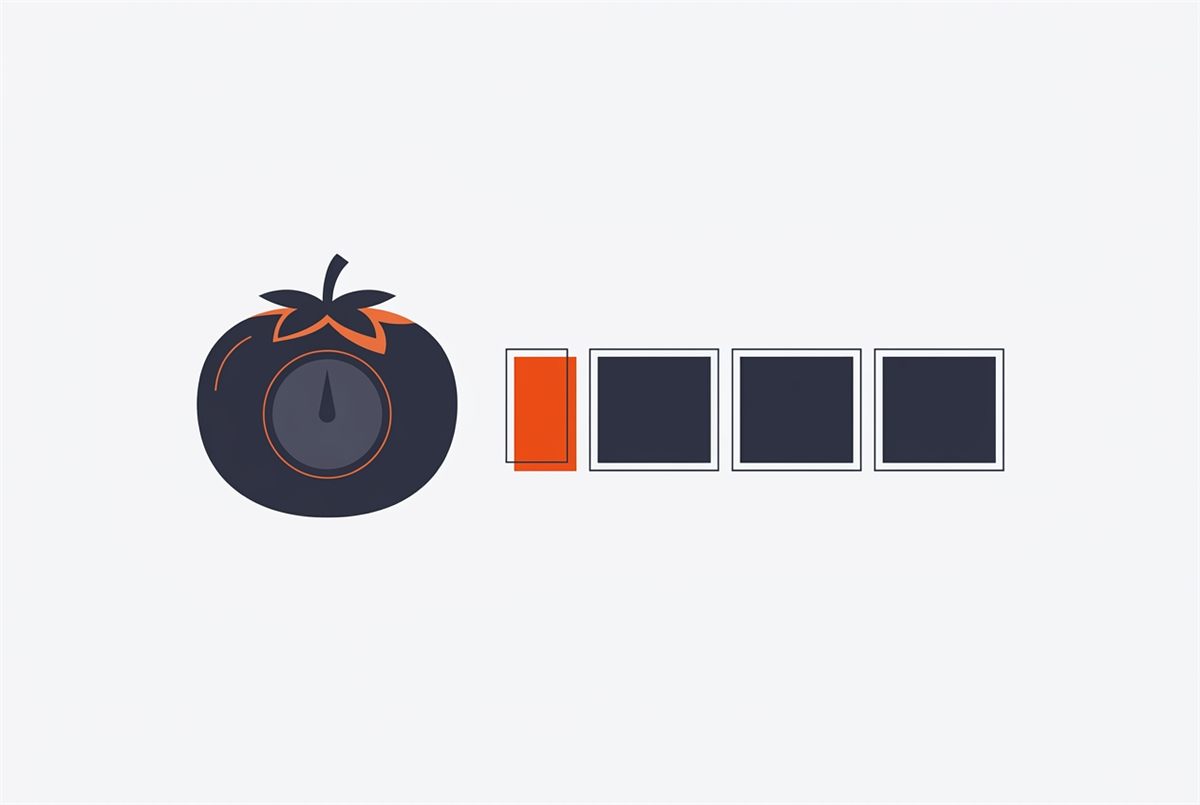
- The Fix: Implement the Pomodoro Technique. Work for 25 minutes, then take a hard 5-minute break. No exceptions.
- The Benefit: To maximize efficiency, you need to work with your brain’s natural rhythms, not against them. Our Life Reset Checklist includes daily habits that make these rhythms easier to sustain.
7. Relying Entirely on Your Own Willpower
Willpower is like a phone battery: it starts the day full and drains every time you have to make a choice. If you’re constantly "deciding" not to check your phone, you’re wasting the energy you should be using for your schoolwork.
- The Mistake: Believing you can "just try harder" to stay focused.
- The Fix: Use Workflows and Systems. Put your phone in another room. Use a website blocker. Design your environment so that focus is the easiest option, not the hardest.
- The Benefit: To streamline your success, you have to stop fighting yourself and start building a environment that supports your goals.
Ready to Break the Cycle?
Stopping the Phone Pickup Cycle isn't about being perfect; it's about being prepared. You deserve to finish your work and actually have real free time: the kind where you aren't feeling guilty about the tasks you left unfinished.
Ready to become the most focused version of yourself?
Join The Community today for biweekly tips on mastering your student life, from aesthetic note-taking to high-level financial literacy. We’re here to help you navigate the "extra" parts of being a student that the classroom doesn't cover.

Explore more resources to boost your semester:
- Reset your routines with the Study Habit Reset Kit
- Use the free habit tracker templates to review your screen habits weekly
- Download our Comprehensive College School Supplies List
- Start your day right with our Printable Daily Reflection Journal
- Take our Self-Assessments to find your study style
Want a head start? The Ultimate Student Planner in my shop was made for exactly this — it’ll save you a ton of time.