
Productivity Tips for Students Who Feel Behind
Productivity is often seen as a secret weapon for students and professionals alike. Just a single productivity tweak can improve focus and memory retention by up to 40 percent. Yet most people believe being productive means packing every second with endless tasks. The real difference comes from smarter, not harder, choices—and the right habits can change everything.
Quick Summary
| Takeaway | Explanation |
|---|---|
| Productivity is about working smarter, not harder. | Focus on strategic choices that yield maximum results with minimal effort. |
| Set clear and achievable goals. | Clear goals help you maintain focus and motivate consistent achievement in your tasks. |
| Break tasks into smaller, manageable steps. | This approach makes larger projects less overwhelming and more achievable through incremental progress. |
| Understand your personal motivation triggers. | Recognizing what drives you can enhance your productivity and help you maintain focus on tasks. |
| Develop systems that adapt to your needs. | Create flexible productivity systems that support your unique working style and help you progress toward your goals. |
What is Productivity and Why is it Important?
Productivity is about how efficiently you use your time and energy to accomplish goals and complete tasks. Think of it like a superpower that helps you get more done without burning yourself out. When you’re productive, you’re not just working harder, but smarter.
Understanding Productivity Basics
Productivity isn’t about being busy all the time. It’s about making strategic choices that help you achieve maximum results with minimal wasted effort. Explore our guide on boosting productivity with simple daily habits to learn more about effective strategies.
Here are key elements that define productivity:
- Focused work that moves you closer to your goals
- Smart time management
- Prioritizing tasks that matter most
- Minimizing distractions
- Creating efficient systems and workflows
Why Productivity Matters for Students
For students, productivity isn’t just about academic success. It’s a critical life skill that helps you:
- Balance schoolwork with personal activities
- Reduce stress and anxiety
- Build confidence through consistent achievement
- Develop strong time management skills
- Prepare for future professional environments
Productivity allows you to work smarter, not just harder. By understanding and implementing effective productivity techniques, you can transform how you approach learning, studying, and personal goals. The key is finding methods that work uniquely for you and your learning style.
Understanding the Psychology Behind Productivity
Productivity is more than just checking tasks off a list. It’s deeply connected to how our brain processes motivation, focus, and personal goals. Understanding the psychological mechanisms that drive productivity can help you create strategies that work with your natural mental patterns.
Mental Triggers and Motivation
Motivation is the core psychological engine behind productivity. Your brain releases dopamine when you accomplish something, creating a reward circuit that encourages you to repeat productive behaviors. Learn more about boosting your productivity with proven techniques to leverage these mental triggers effectively.
Key psychological factors influencing productivity include:
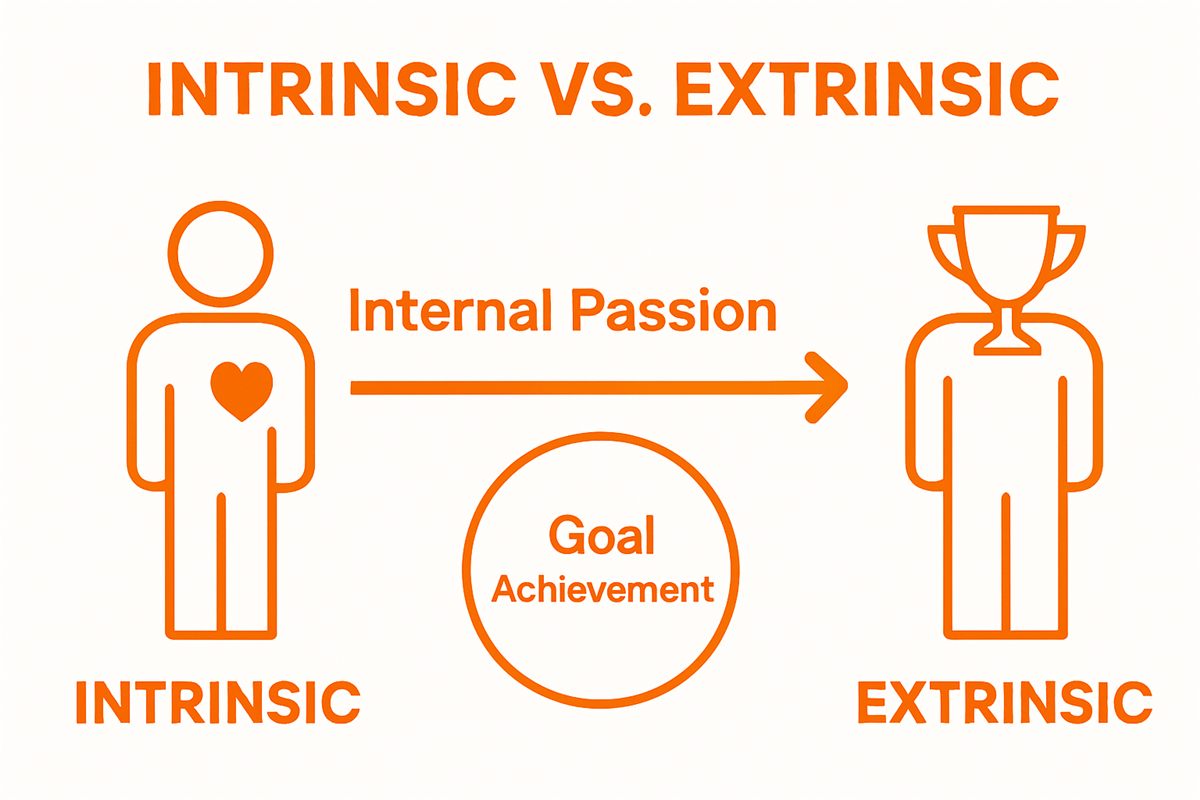
- Intrinsic motivation (internal desire to achieve)
- Goal clarity and specificity
- Personal belief in your capabilities
- Emotional state and mental energy
- Perception of task difficulty
Overcoming Psychological Barriers
Psychological barriers like procrastination, fear of failure, and mental fatigue can significantly impact your productivity. These barriers are not weaknesses but natural responses your brain develops as protection mechanisms.
Common psychological barriers include:
- Perfectionism that prevents starting tasks
- Fear of making mistakes
- Overwhelming complex projects
- Lack of clear short term rewards
- Negative self talk and limiting beliefs
By understanding these psychological patterns, you can develop strategies that work with your brain’s natural tendencies.
The table below outlines common psychological barriers to productivity along with their descriptions, helping readers quickly identify the challenges discussed in the article and their underlying nature.
| Barrier | Description |
|---|---|
| Perfectionism | Focusing on flawless outcomes, often resulting in delays or avoidance |
| Fear of Mistakes | Avoiding tasks due to concerns about making errors |
| Overwhelming Projects | Feeling unable to start due to the complexity or size of tasks |
| Lack of Short-Term Rewards | Difficulty maintaining motivation when rewards are not immediate |
| Negative Self-Talk | Internal dialogue that limits confidence and belief in success |
| Productivity is about creating systems that make progress feel achievable and rewarding, not about forcing yourself through difficult tasks. |
Key Concepts and Strategies for Boosting Productivity
Productivity is a skill you can develop and improve with deliberate practice and strategic approaches. Understanding core concepts helps you build sustainable systems that support your personal and academic goals.
Core Productivity Principles
Effective productivity isn’t about working harder but creating smarter workflows that maximize your energy and focus. Check out our comprehensive guide on student productivity hacks to discover proven techniques.
Key principles that drive successful productivity include:
- Setting clear and achievable goals
- Breaking large tasks into smaller manageable steps
- Creating consistent routines
- Developing strong time management skills
- Understanding your personal energy cycles
Strategic Productivity Techniques
Productivity strategies are personal tools that help you navigate complex tasks and maintain consistent performance. Effective techniques transform how you approach work and learning.
Critical strategies for boosting productivity include:
- Using time blocking for focused work
- Implementing the two-minute rule for quick tasks
- Practicing regular self reflection
- Minimizing digital distractions
- Developing a growth mindset towards task completion
Successful productivity requires understanding your unique working style and creating systems that complement your natural strengths.
Here is a summary table comparing core productivity principles with strategic productivity techniques as described in the article, highlighting how each set contributes to improving workflow and efficiency.
| Aspect | Core Principles | Strategic Techniques |
|---|---|---|
| Goal Setting | Set clear, achievable goals | Use time blocking for focus |
| Task Breakdown | Break large tasks into smaller steps | Apply the two-minute rule |
| Routine and Consistency | Create consistent routines | Practice regular self-reflection |
| Time & Energy Management | Develop strong time management and understand energy cycles | Minimize digital distractions |
| Mindset | Focus on progress, not perfection | Develop a growth mindset |
| It’s about progress, not perfection, and finding methods that genuinely work for you. |
Real-World Applications of Productivity Tips
Productivity tips are not just theoretical concepts but practical tools that can dramatically transform how you approach learning, studying, and personal growth. Translating these strategies into real-world actions helps you build sustainable habits that drive consistent success.
Productivity in Academic Settings
In school and college, productivity tips become powerful weapons against academic stress and overwhelm. Discover the top tools and apps designed to improve student productivity and streamline your learning process.
Practical academic applications include:
- Creating structured study schedules
- Using digital calendars for assignment tracking
- Implementing active learning techniques
- Preparing detailed study plans
- Utilizing technology for efficient note taking
Personal Development and Skill Building
Productivity strategies extend far beyond academic performance. They are essential skills for personal growth and professional development. Real world productivity is about consistent progress and intentional action.
Key areas where productivity tips make significant impact:
- Career planning and skill acquisition
- Personal project management
- Financial goal setting
- Health and wellness tracking
- Building long term personal habits
Successful productivity is not about perfection but about creating flexible systems that adapt to your changing needs and help you make consistent progress toward your goals.
How Productivity Enhances Learning and Life Skills
Productivity is more than a buzzword. It’s a transformative skill that builds powerful cognitive abilities and life management strategies. By developing strong productivity habits, you’re not just completing tasks but building a foundation for long term personal and academic success.
Cognitive Benefits of Productivity
Learning is fundamentally about building efficient mental processes, and productivity skills directly contribute to cognitive development. Explore our productivity hacks for school success to understand how these skills work together.
Key cognitive enhancements include:
- Improved concentration and focus
- Enhanced memory retention
- Better decision making skills
- Increased mental resilience
- Advanced problem solving capabilities
Transferable Life Skills Development
Productivity skills create a ripple effect that extends far beyond academic performance. These skills become powerful tools for navigating complex personal and professional challenges.
Critical life skills developed through productivity practices:
- Self discipline and personal accountability
- Stress management techniques
- Strategic planning and goal setting
- Emotional intelligence and self awareness
- Adaptability in changing environments
By investing in productivity skills, you’re essentially building a personal operating system that helps you navigate life’s challenges with confidence and efficiency. These skills become your internal compass, guiding you toward consistent personal growth and achievement.

Struggling to Turn Productivity Tips Into Real Results?
You have just learned that smarter workflows and practical habits are the backbone of true productivity. Still, you may find it hard to move from theory to real-world habits or keep distractions from slowing you down. If you want to use time-blocking, organization strategies, or personalized systems like those discussed, but struggle to put them into action, you are not alone. Many learners face the same frustration: knowing what works, but not knowing how to start or how to stay consistent.
Take the next step today by exploring our Productivity resources or dive deeper into practical Organization tools and strategies. Ready to streamline your routines and study with less stress? Browse our exclusive solutions at Learning With Angie to transform your productivity journey right now. Start creating habits that last and experience real progress in your academic and personal life.
Frequently Asked Questions
What are the key principles of productivity?
The key principles of productivity include setting clear and achievable goals, breaking larger tasks into smaller steps, creating consistent routines, developing time management skills, and understanding your personal energy cycles.
How can productivity enhance academic success for students?
Productivity enhances academic success by helping students balance schoolwork and personal activities, reduce stress, build confidence through achievement, develop time management skills, and prepare for future professional environments.
What are some effective strategies for overcoming procrastination?
Effective strategies for overcoming procrastination include setting small, manageable goals, practicing the two-minute rule for quick tasks, minimizing distractions, and developing a growth mindset to foster task completion.
How does understanding the psychology behind productivity improve efficiency?
Understanding the psychology behind productivity, such as mental triggers and intrinsic motivation, can help create strategies that align with your natural mental patterns, making progress feel achievable and fostering a rewarding workflow.
Recommended
- 7 Productivity Hacks for School: Boost Your Success
- Boost Your Productivity and Master Time Management
- Maximizing Study Efficiency with Proven Techniques
- 10 Productivity Hacks Every Student Should Know
- How to Improve Productivity at Work: A Step-by-Step Guide – Tariq Juneja
- The Reality Check AI Engineers Need About Productivity Claims