Middle School 101: How to Master Note-Taking Before High School Hits

Middle school is a major shift. Suddenly, your classes are more specific, your teachers expect more independence, and the amount of information you need to remember starts to pile up. If you’ve ever sat in class wondering how to keep up with a lecture or how to study for a big history test without rereading the entire textbook, you aren't alone.
The secret to staying ahead isn't just working harder; it’s working smarter. Learning how to study effectively starts with mastering the art of the note. Whether you love the look of aesthetic note taking with colorful pens or you prefer a clean digital setup, having a system in place now will make your future high school self very happy.
Ready to become the most organized student in your grade? Let’s break down the essential strategies to help you master your notes.
Why Your Notes Are Your Secret Weapon
Think of your notes as a personalized guidebook written by you, for you. When you take great notes, you aren't just recording what the teacher says: you are processing that information so your brain can actually store it.
- Boosts Memory: Writing things down (especially by hand) helps you remember facts better than just listening.
- Reduces Stress: When test week rolls around, you won't be scrambling. You'll have exactly what you need to review right in front of you.
- Builds Focus: It is much harder to daydream when your hands are busy capturing the main points of the lesson.

The Cornell Method: Your New Best Friend
If you feel overwhelmed by a blank page, the Cornell Method is the perfect framework. It is a classic for a reason: it forces you to organize your thoughts as you go.
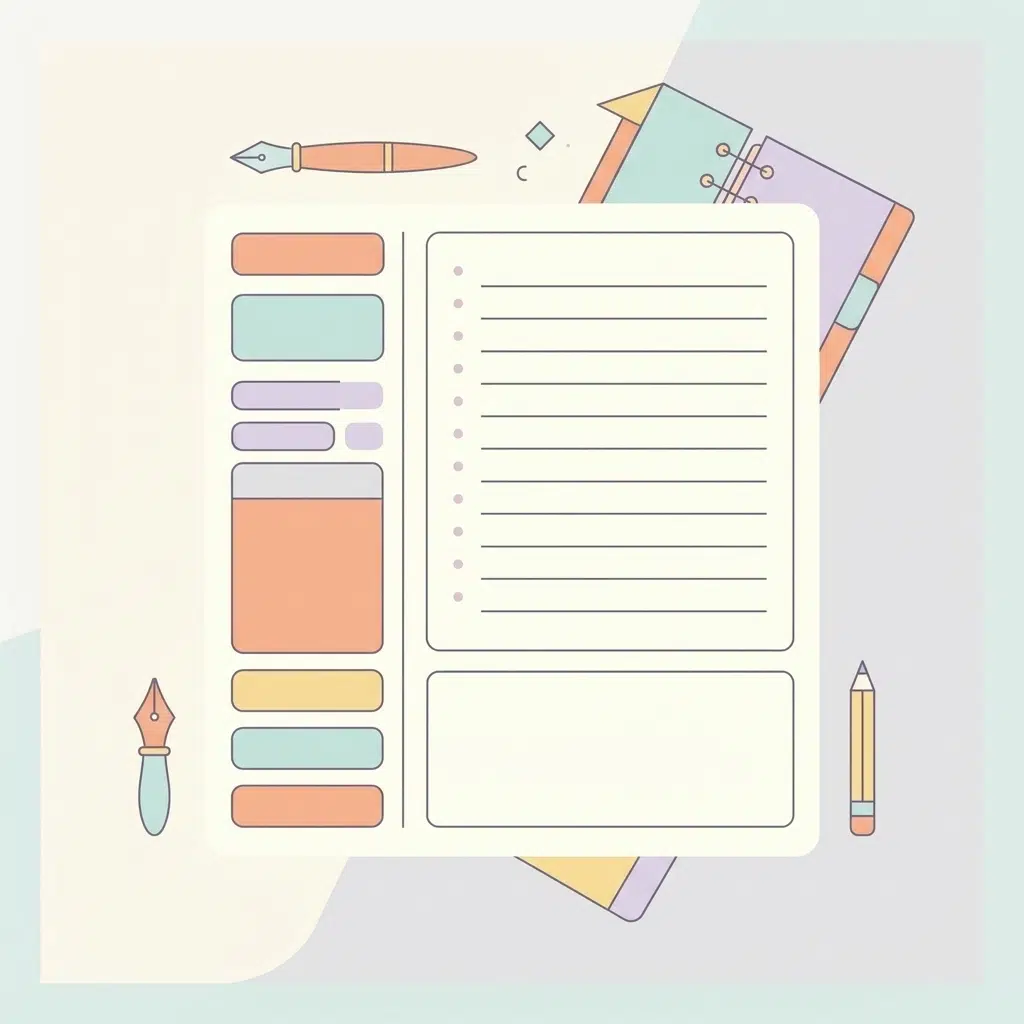
To set this up, divide your paper into three distinct sections:
- The Cue Column (Left): This is a thin 2-inch margin on the left side of your page. After class, you’ll write down keywords, main dates, or potential test questions here.
- The Note-Taking Area (Right): This is the largest section. During class, this is where you jot down the "meat" of the lesson. Use abbreviations and bullet points to keep up.
- The Summary Section (Bottom): At the very bottom of the page, leave a few inches to write a 2-3 sentence summary of the entire page in your own words.
Pro-tip: Don't try to write every single word your teacher says. Listen for "signal words" like furthermore, most importantly, or specifically. These are clues that a major point is coming up.
Mastering Aesthetic Note Taking (Without the Distraction)
We all love those "studygram" photos with perfect calligraphy and ten different highlighter shades. While aesthetic note taking can make studying more fun, the goal is to make your notes readable, not just pretty.
Here is how to keep your notes aesthetic yet functional:
- Use a Consistent Color Code: Assign one color for definitions, another for dates, and a third for examples. This helps your brain categorize information instantly.
- Create Visual Hierarchy: Use large, bold headers for the main topic and smaller, underlined subheaders for details.
- Add Symbols and Icons: Draw a small "!" next to information the teacher says will be on the test, or a "?" next to something you need to ask about later.
- White Space is Your Friend: Don't crowd the page. Leaving space between sections makes it much easier to go back and add more info later.
If you are looking for the perfect place to keep these organized, check out our undated monthly planner to track when your notes need to be finished and reviewed.
How to Study Effectively Using Your Notes
Taking the notes is only half the battle. To truly succeed, you have to actually use them. Most students make the mistake of just reading their notes over and over: this is passive and usually doesn't work.
Try these active study techniques instead:
- The Cover-and-Recite Method: Use your Cornell notes! Cover the right side (your notes) and look only at the keywords in your Cue Column. Can you explain the concept out loud just by looking at the keyword?
- The 24-Hour Review: Spend just 10 minutes looking over your notes within 24 hours of taking them. This "refreshes" the memory trace in your brain and prevents you from forgetting 80% of what you learned.
- Teach Someone Else: Try explaining a concept from your notes to a parent, a sibling, or even your pet. If you can explain it simply, you’ve mastered it.
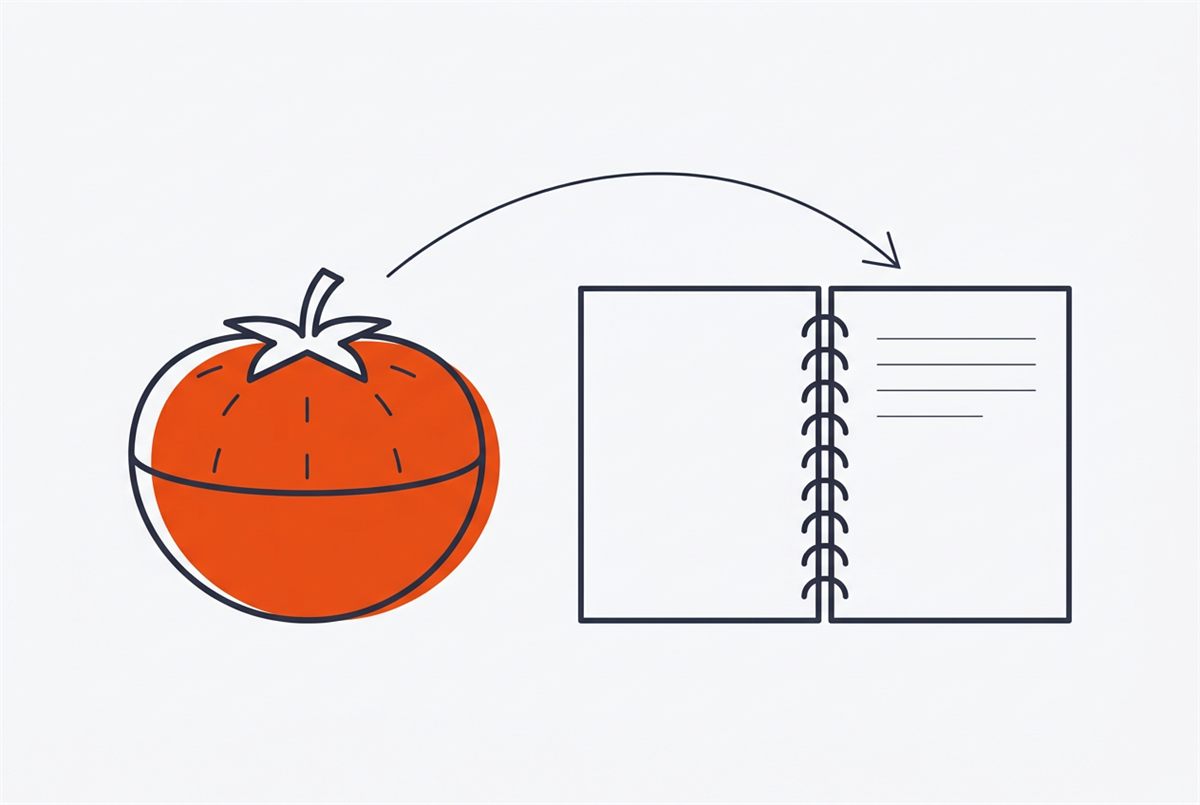
- Use a Timer: Don't study for three hours straight. Use the Pomodoro Technique: 25 minutes of focused study followed by a 5-minute break. It keeps your brain fresh.
Digital vs. Analog: Which One Is For You?
In middle school, you might have the option to take notes on a laptop or tablet. Both have pros and cons, and the best choice depends on how you learn.
Paper and Pen:
- Pros: Better for memory retention, zero digital distractions, and perfect for aesthetic note taking with washi tape and pens.
- Cons: Can't "search" your notes easily; papers can get lost in a messy backpack.
Digital (Notion or Apps):
- Pros: Easy to organize, searchable, and you can sync them across devices.
- Cons: Higher chance of getting distracted by notifications; harder to draw quick diagrams.
If you are leaning toward a digital life, our Notion templates for students are a great way to start organizing your academic life early. Even if you are in middle school, getting a handle on digital organization now will put you miles ahead when you start your high school four-year plan.
Stay Organized and Ahead of the Curve
Note-taking is a skill, and like any skill, it takes practice. You might find that your first few pages of Cornell notes look a little messy, and that’s okay! The goal is progress, not perfection.
As you move through middle school, keep experimenting with different layouts and tools. Maybe you'll find that mind mapping works better for Science, while outlining is perfect for English. The more you play around with your style, the more you'll enjoy the process of learning.

Join The Community
Ready to level up your student life? We are here to help you navigate everything from middle school transitions to college applications with ease.
- Sign up for our biweekly newsletter: Get study tips, productivity hacks, and free resources delivered straight to your inbox.
- Download our Life Reset Checklist: Perfect for those Sundays when you need to get organized for the week ahead.
- Follow along for more: We're constantly sharing new ways to help you become the best version of yourself.
Ready to become a note-taking pro? Grab your favorite pen, pick a method, and start capturing your brilliance today!
Want a head start? The Ultimate Student Planner in my shop was made for exactly this — it’ll save you a ton of time.