How to overcome laziness Without Fighting Yourself
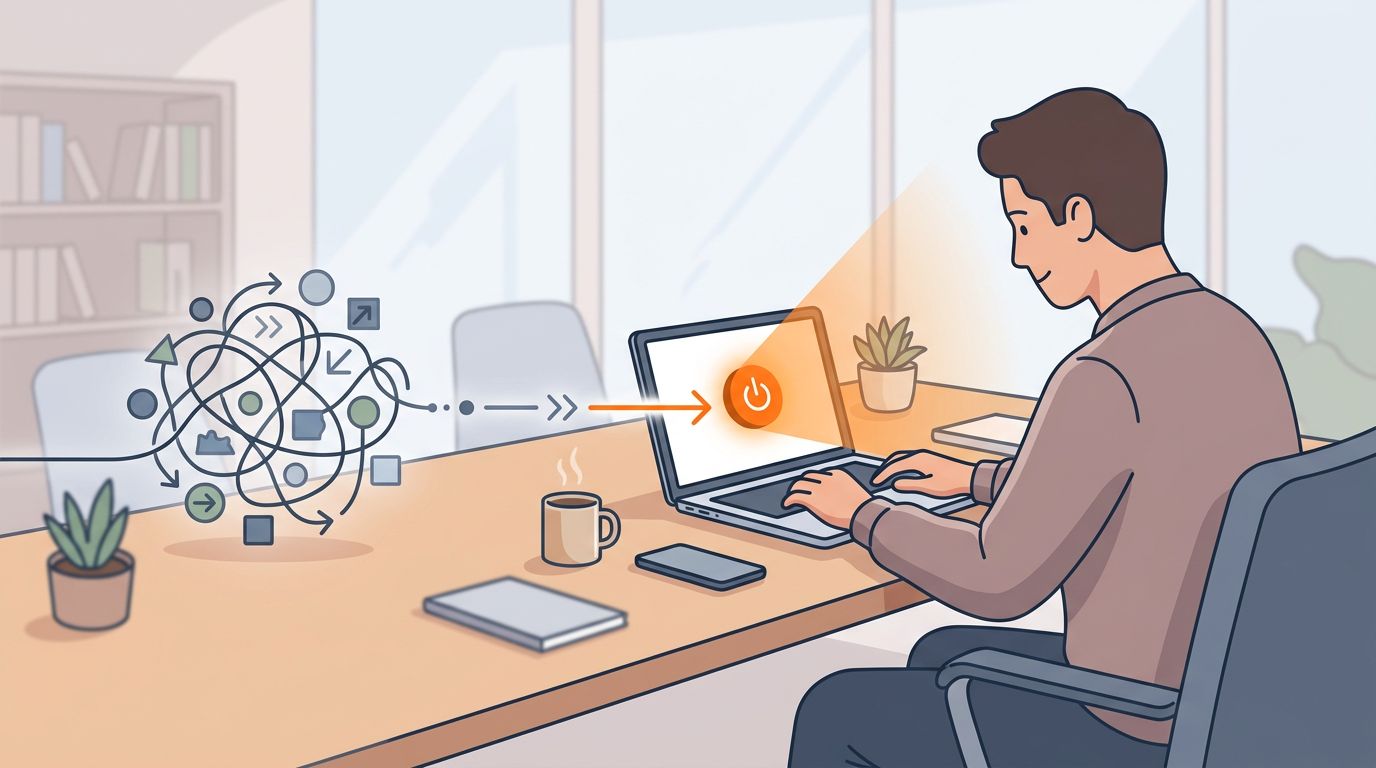
You call it laziness, but a lot of the time it is friction. The task is vague, your energy is low, your phone is close, and your brain grabs the easiest escape.
That matters, because you won’t stop being lazy by shaming yourself into action. You do it by making work easier to start, easier to continue, and harder to avoid. Start by looking at what your brain is pushing back against.
Key Takeaways
- Diagnose the friction: Laziness is often a sign of unclear objectives, fatigue, or overwhelm rather than a character flaw; identify the specific barrier instead of shaming yourself into action.
- Shrink the starting line: Reduce your tasks to the smallest possible action, such as a two-minute increment, to bypass the psychological resistance that causes procrastination.
- Match tasks to energy levels: Organize your workflow based on your natural energy rhythms—performing high-focus tasks during your peak hours and administrative, low-energy tasks when you are drained.
- Design your environment: Minimize reliance on willpower by setting up your workspace to make the desired behavior the default, such as moving distractions out of reach and leaving tasks prepped for the next session.
Laziness usually points to a hidden problem
Most people do not avoid tasks because they enjoy falling behind. They avoid them because something about the task feels heavy, often due to a persistent lack of motivation or underlying failure anxiety. Sometimes the task is unclear or simply too big, and other times you are stressed or worried you will perform poorly.
So when you feel lazy, pause before you judge yourself. Ask what the real snag is. Do you need a clearer first step? Do you need rest? Are you resisting boredom, fear, or confusion?
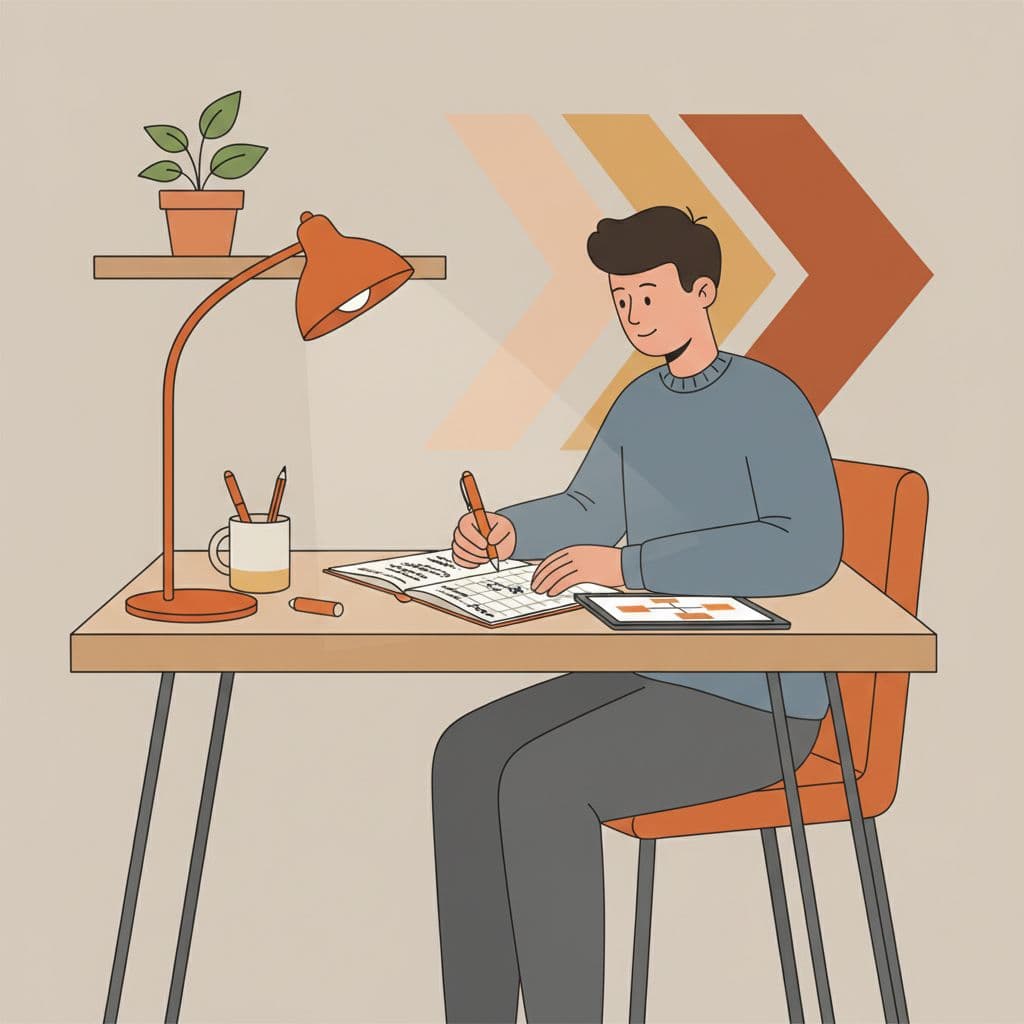
A simple example helps. “Finish taxes” feels heavy. “Find last year’s return and put it on the table” feels possible. The second version cuts through fog, so your brain stops treating the task like a threat.
This shift also helps you spot when the issue is not about willpower at all. If you feel drained every day, persistent brain fog, unaddressed mental health concerns, or an underlying medical condition may be the bigger problem. Productivity tricks cannot fix these deeper issues, and prioritizing proper sleep and rest is a fundamental necessity that no amount of discipline can replace.
If you want to overcome laziness, diagnose the friction before you demand more effort.
That single habit changes your next move. Instead of saying, “I need more discipline,” you can say, “I need a smaller step,” or “I need a break first,” or “I need to remove the distraction sitting next to me.” Those answers are useful. Shame never is.
Shrink the starting line until your brain stops arguing
Your pride wants a strong start. Your nervous system wants safety. That is why giant plans often die on the launchpad.
When a task feels difficult to begin, you need to start small and break your workload into manageable goals. This approach works because the initial friction is often the primary cause of procrastination. Momentum usually shows up only after a few minutes of active motion.
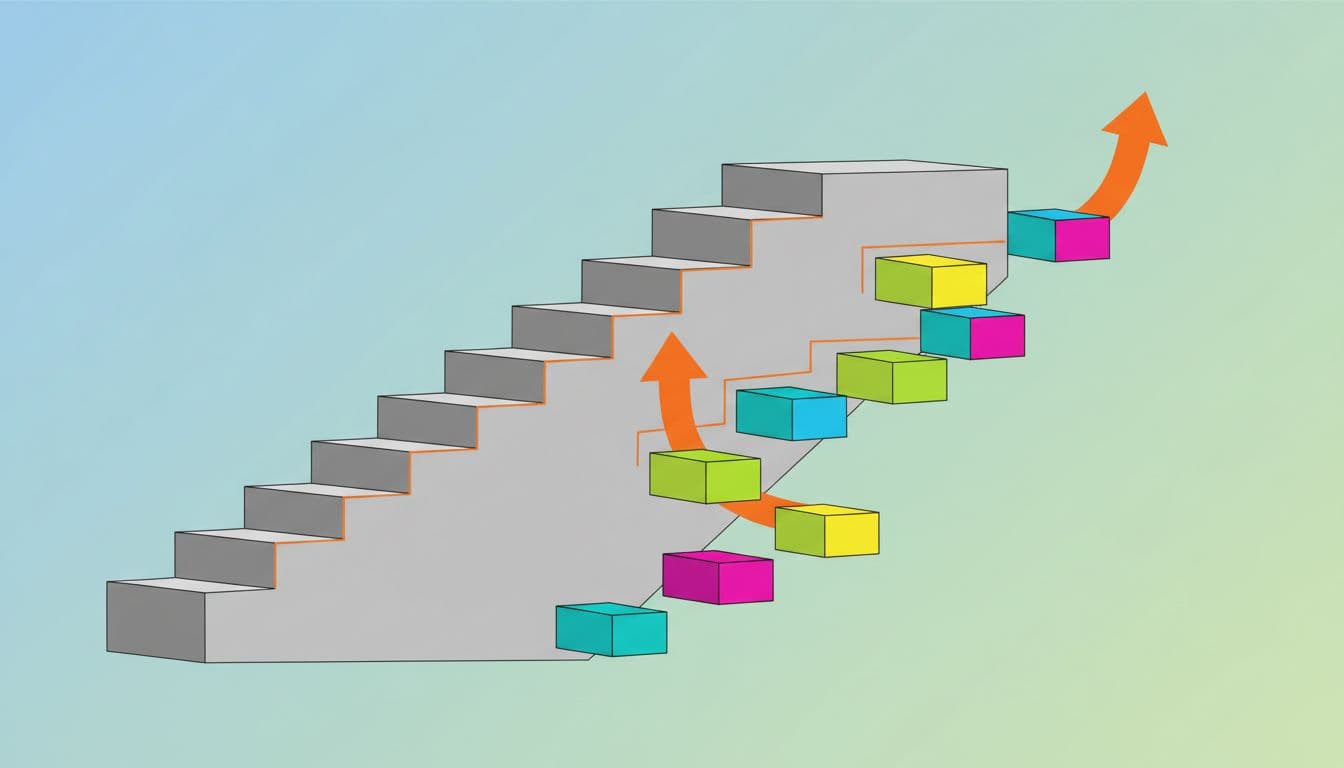
Use this four-step reset when you feel stuck:
- Name the task in plain language, ensuring your objectives align with SMART goals to keep them concrete. “Work on project” is fuzzy, but “write the first messy paragraph” gives your brain a specific target.
- Apply the two-minute rule by cutting your first action down to just two minutes. If you feel hesitant, count down from five to one and use the five-second rule to push yourself into immediate action.
- Set a short timer to implement the Pomodoro Technique. A brief, timed block lowers resistance because it does not feel like a life sentence.
- Stop deciding while the timer runs. Do not re-plan, optimize, or check messages. Simply follow the tiny step you already chose.
This works because vague goals create drag, while clear actions reduce it. If “clean the kitchen” feels awful, start by throwing away trash for three minutes. If “work out” feels impossible, do five squats and then walk outside. If “deal with money” makes you freeze, open your banking app and list the next bill due.
The point is not to trick yourself into doing less. The point is to cross the hardest line, which is the barrier between not starting and starting.
Match your work to your energy, not your fantasy schedule
A lot of lazy feelings are energy mismatches. You are trying to write, solve, or study at a time when your brain can only handle easy admin. Then, you blame yourself for not pushing harder.
A better plan is to sort your tasks by energy demand. Some work needs focus, while other work just needs a pulse.
This quick map makes that easier:
| Energy level | Best kinds of tasks | Real-life example |
|---|---|---|
| High | Writing, planning, problem-solving | Draft a report before lunch |
| Medium | Email, errands, meetings, review | Reply to messages after lunch |
| Low | Filing, dishes, calendar cleanup | Reset your desk at night |
Track your energy for three or four days. Notice when thinking feels smooth and when it feels muddy. Then, protect your strongest hour for work that matters. If you have kids, shift work, or a long commute, that hour may be early, late, or split into two short chunks. That is fine.
This approach helps you overcome laziness much more effectively than sticking to a rigid morning routine that does not fit your personality. You do not need a sunrise journal, a two-hour morning block, and a spotless apartment. You need a plan that matches your real life. To keep your brain sharp, try fueling your day with high-protein foods and incorporating regular physical activity to keep your metabolic engine running.
When energy is low, give yourself low-resistance tasks. Save heavy thinking for the window when your mind can carry it, and remember that consistent sleep and rest are the foundations that make this entire system possible.
Build a space that makes action easier
Your environment has opinions. It tells you what to do next, often before you make a conscious choice. A phone on your desk says “check me,” and a half-open document says “continue.” Because effective time management is as much about your surroundings as it is about your schedule, you should set up your space to reduce decisions. Keep the tool for the next task visible, put common distractions slightly out of reach, and make good defaults easy.

That might mean charging your phone in another room during focus time. It might mean logging out of social media apps on your laptop to stop the cycle of scrolling. It could even mean leaving your planner open on tomorrow’s page, putting your workout clothes by the bed, or placing the book you want to read on your pillow.
Small changes matter because they cut down the number of moments where you have to rely on willpower. Busy people benefit from this most because limiting these distractions helps preserve mental energy. After a long day, you won’t want more choices. You will want the next right action to be obvious.
Make the good choice easy, and make the distracting choice a little annoying.
Also, prepare the runway before you stop. If you are ending a work session, leave yourself a clear re-entry point. Write one sentence about what comes next, keep the tab open, or put the paper on top of the pile. Tomorrow’s brain will thank you.
Common mistakes that keep the cycle going
Some habits make laziness feel bigger than it is. They add guilt, which adds avoidance, which creates more guilt. That loop can last for weeks.
These are the mistakes that show up most often:
- Waiting to feel motivated before you begin.
- Making a giant to-do list, then freezing because nothing feels finishable.
- Treating one missed day like proof that the whole plan failed.
- Picking the hardest task first when your energy is already low.
- Using shame as fuel, then wondering why you want to hide.
Perfectionism also causes more delay than most people admit. When you fall into the trap of perfectionism, it often manifests as chronic procrastination, where you avoid the task until you have the ideal time, mood, and setup. Meanwhile, the task grows teeth.
A kinder and more useful rule helps here: reduce the task until you can do it on a messy day. Instead of relying on harsh internal criticism, practice positive self-talk to stay grounded. That could mean five minutes of reading, one expense logged, or one sink of dishes. Progress still counts when it looks ordinary.
When you slip, restart fast. Use self-compassion to move forward rather than spending two days trying to feel better about the missed day. Open the task, do the smallest next step, and let the reset be boring. Boring resets work.
Use a 10-minute reset when the day gets away from you
Some days simply do not go as planned. Work spills over, family needs attention, or you lose an hour to mindless scrolling. By late afternoon, it is easy to feel like the entire day is already gone.
Do not try to rescue the whole day. Instead, view this as an opportunity to implement a 10-minute action plan.
For the first minute, stand up and change your state. Drink water, perform a quick bit of exercise or light stretching, and put your phone face down. Open a window or move to a cleaner spot. During the next two minutes, clear one small surface and pull out only what you need to finish your next task.
Then, spend three minutes choosing one specific target. Keep it narrow. Send the email, outline two points, or wash the pan. After that, spend four minutes doing only that task with a timer running. Pushing through the initial resistance often requires a bit of grit, but staying focused on a single task makes the effort manageable.
At the end of the 10 minutes, decide what to do next. Often you will keep going because the hardest part has passed. If you decide to stop, you still won something. You interrupted the downward spiral, and that matters.
This reset is useful because it asks less from you than a full comeback. It gets you moving without demanding a perfect recovery. As you continue to use this method, track your progress to see how often these small resets save your day. On rough days, that consistency is enough.
Frequently Asked Questions
Why do I feel lazy even when I have important work to finish?
You are likely experiencing friction rather than a lack of motivation. When a task feels too big, vague, or intimidating, your brain perceives it as a threat and looks for an easier escape to avoid the discomfort.
Is it okay to use the two-minute rule for every task?
Yes, the two-minute rule is a highly effective way to lower the barrier to entry. Its purpose is not to finish the task in two minutes, but to cross the psychological threshold between not working and starting.
What should I do if I have a bad day and break my routine?
Avoid the trap of spiraling into guilt or viewing the day as a total loss. Instead, use a 10-minute reset to perform one small, simple action that helps you regain momentum without demanding perfection.
How do I know if my laziness is actually burnout or something else?
If you feel consistently drained, suffer from brain fog, or find that productivity tricks never seem to work, you may be dealing with deeper issues. Prioritizing consistent sleep, nutrition, and professional medical advice is essential before attempting to fix your productivity.
The shift that makes follow-through easier
Calling yourself lazy usually hides the real issue. To successfully overcome laziness, you must focus on reducing friction and shrinking your initial tasks. When you finally stop being lazy, it is rarely because you found more willpower; it is because you created a plan that fits your energy.
That is how momentum grows. It does not come from guilt, and it does not come from waiting for a better version of yourself to appear. When starting gets easier, follow-through stops feeling like a fight. Once you find that rhythm and finish your tasks, remember to reward yourself to reinforce these positive habits and keep the cycle of productivity moving forward.
This post may contain affiliate links. If you make a purchase through these links, I may earn a small commission at no extra cost to you.
Want a head start? The Accountability Workbook is a gentler way to keep yourself on track — small check-ins you actually fill in, rather than a system to live up to.