Productive Summer Breaks: Maximizing Fun and Growth
When school gets out for the summer, remember that summer is more than just a break from homework. For many American high school students, the challenge is finding that sweet spot where fun meets personal growth. Taking time to relax, try new things, and reconnect with friends is just as important as giving your brain a breather from academic stress. This guide helps you shape a summer that is both rewarding and enjoyable by blending structure, exploration, and plenty of chances to recharge.
Key Takeaways
| Point | Details |
|---|---|
| Balanced Summer Break | Successfully navigating summer involves merging fun with personal growth through intentional exploration and flexible planning. |
| Activity Variety | Engage in diverse activities such as academic enrichment, creative projects, physical activities, and community service to foster a well-rounded summer experience. |
| Mindful Planning | Develop a weekly schedule combining relaxation, productivity, and personal interests while remaining adaptable to maintain motivation and avoid burnout. |
| Burnout Prevention | Recognize common summer pitfalls such as over-scheduling and excessive screen time, and implement strategies like tech-free periods to maintain mental well-being. |
Defining a Productive and Fun Summer Break
A summer break isn’t just about escaping academics – it’s about strategic personal growth and enjoyment. While many students see this time as pure relaxation, smart high schoolers understand that a truly awesome break balances fun with meaningful development. Summer mental health recovery isn’t about doing everything or nothing, but finding your perfect personal rhythm.
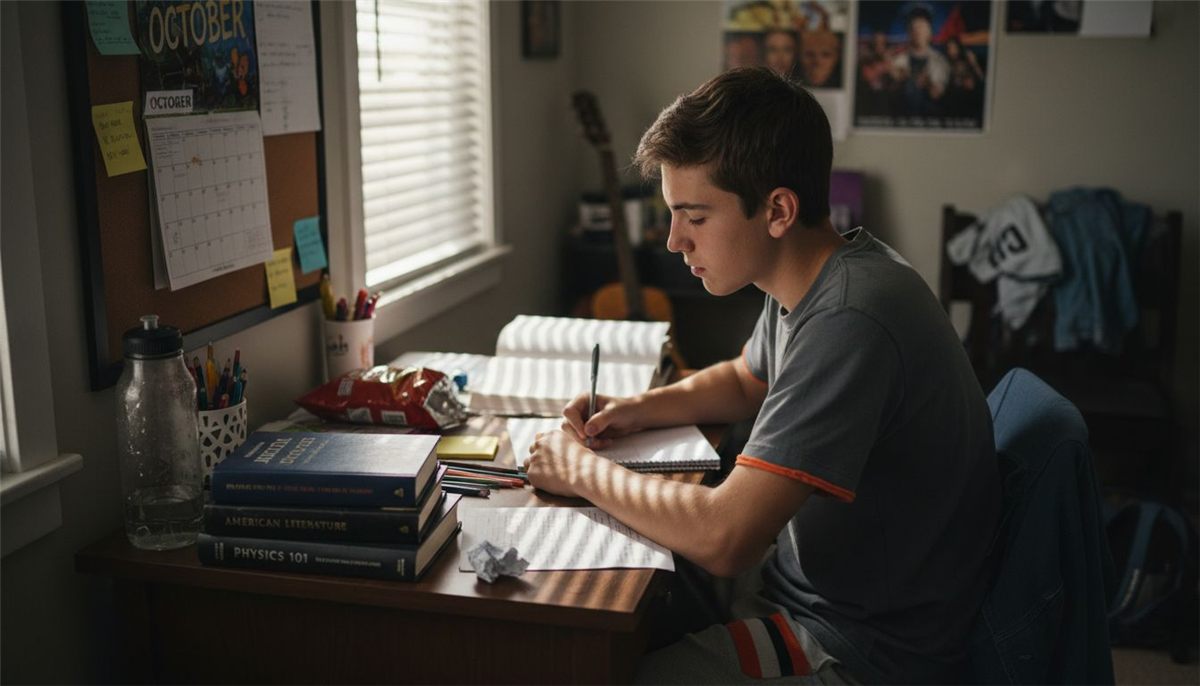
Productivity during summer doesn’t mean constant work. Instead, think of it as intentional exploration – trying new skills, pursuing passions, and giving yourself space to recharge. Some students might take online classes, others might volunteer, start a side project, or learn a musical instrument. The key is creating a flexible framework that allows spontaneity while providing gentle structure.
Building a successful summer break requires understanding your personal goals and energy levels. Strategic summer planning helps maintain routines while leaving room for unexpected adventures. Consider creating a loose schedule that includes physical activities, learning opportunities, social connections, and pure downtime. This approach prevents burnout while ensuring you’re growing and enjoying yourself.
Summer Pro Tip: Design a flexible summer “adventure list” with 5-7 exciting but achievable goals that mix personal interests, skill development, and pure fun.
Types of Summer Activities for Students
Summer offers an incredible array of opportunities for students to grow, learn, and explore beyond traditional classroom settings. Summer learning programs provide diverse pathways for personal development that go far beyond simple recreation. These activities can be broadly categorized into academic, creative, physical, and community-focused experiences that cater to different interests and learning styles.
Academic enrichment activities might include online courses, language learning, coding bootcamps, or self-directed research projects. Creative pursuits could involve art workshops, photography classes, writing camps, or learning a musical instrument. Diverse summer activities like gardening, cooking classes, or digital design can also help students discover new passions and develop practical skills that traditional schooling might not cover.
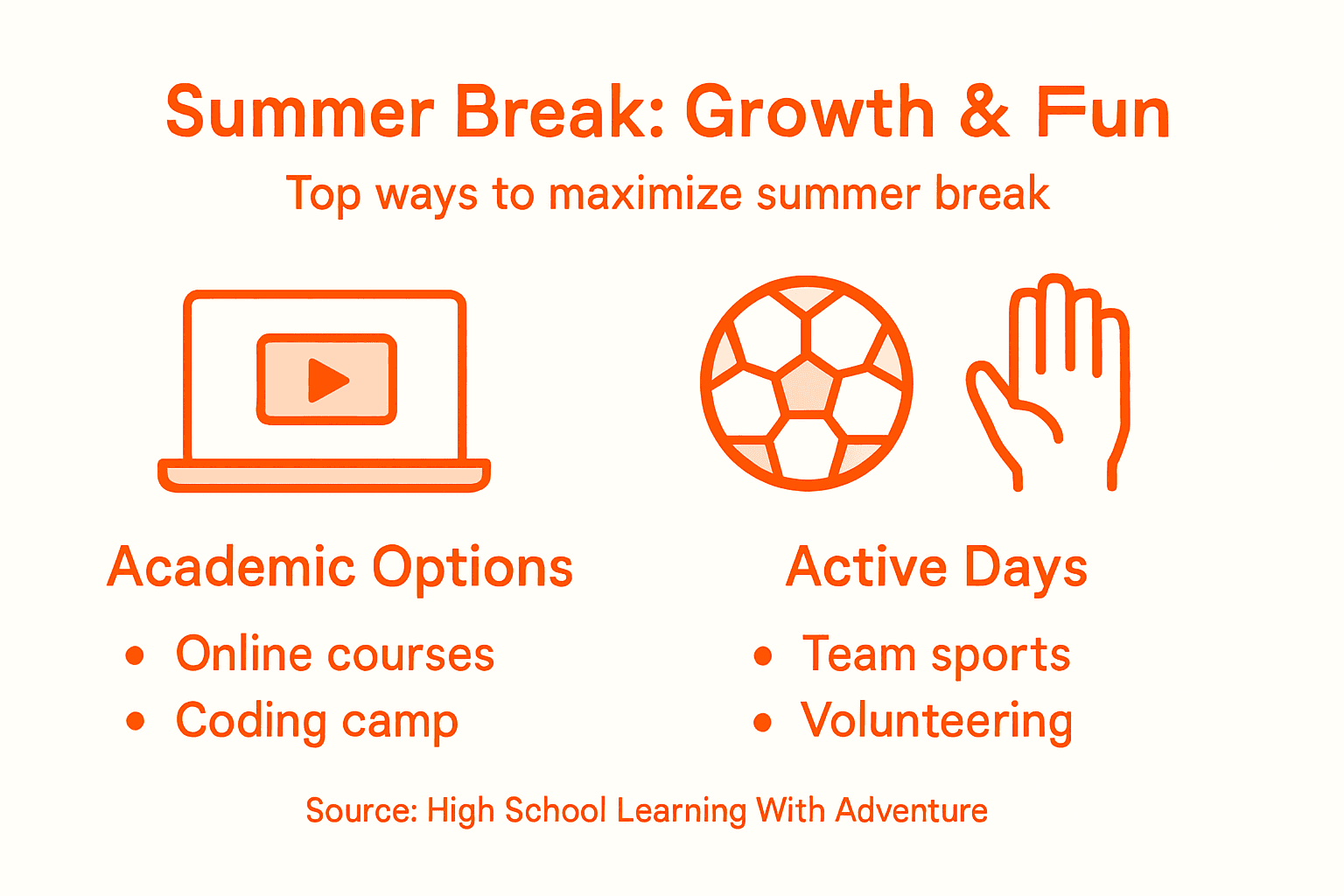
Physical and community-based activities offer another fantastic dimension of summer growth. This might include team sports, hiking, swimming, volunteering at local nonprofits, participating in community service projects, or joining environmental conservation efforts. These experiences not only promote physical health but also build social skills, leadership capabilities, and a sense of civic engagement.
Summer Pro Tip: Create a summer activity “passport” where you track and document different experiences, collecting stamps or notes for each unique learning or skill development opportunity.
Here’s a comparison of popular summer activity categories and the unique skills or benefits each provides:
| Activity Type | Examples | Skills/Benefits Gained |
|---|---|---|
| Academic Enrichment | Online courses, coding camp | Critical thinking, knowledge |
| Creative Projects | Art workshop, photography | Creativity, self-expression |
| Physical Activities | Sports, hiking, swimming | Fitness, teamwork, resilience |
| Community Focused | Volunteering, conservation | Leadership, civic engagement |
Balancing Academics, Leisure, and Growth
Balancing academics, leisure, and personal growth during summer requires strategic planning and self-awareness. Structured summer routines help students maintain intellectual momentum while avoiding burnout. The goal isn’t about constant studying or complete disconnection, but creating a flexible framework that nurtures multiple aspects of personal development.
Mental health plays a crucial role in this balance. Stress management techniques like mindfulness, outdoor activities, and social connections can transform summer from a passive recovery period into an active growth opportunity. Students might allocate specific time blocks for academic review, skill development, physical activities, and pure relaxation – ensuring no single area dominates their entire break.
Successful summer balance also involves understanding personal energy levels and interests. Some students might prefer intense learning sprints followed by complete relaxation, while others thrive on consistent, moderate engagement across different domains. The key is customization – designing a summer approach that respects individual learning styles, promotes holistic growth, and leaves room for unexpected discoveries and spontaneous experiences. Balancing lifestyle and academics requires continuous adjustment and self-reflection.
Summer Pro Tip: Create a flexible summer dashboard tracking your academic, personal growth, and leisure activities to ensure you’re maintaining a healthy, dynamic balance.
Essential Habits for Planning and Productivity
Developing essential habits for summer productivity starts with intentional planning and strategic goal setting. Productive summer strategies involve creating a balanced approach that incorporates personal growth, skill development, and meaningful experiences. Successful students recognize that productivity isn’t about constant work, but about purposeful engagement across different life domains.
Effective planning requires breaking down broader goals into smaller, manageable tasks. This might mean creating a weekly schedule that allocates time for academic review, personal projects, physical activities, and leisure. Productive day schedules help students maintain momentum without feeling overwhelmed. The key is flexibility – allowing room for spontaneity while maintaining a general structure that supports personal development.
Technology and tools can significantly enhance summer productivity. Digital calendars, task management apps, and goal-tracking platforms can help students visualize progress, set reminders, and maintain accountability. However, the most critical habit is self-reflection – regularly assessing what’s working, adjusting strategies, and staying aligned with personal growth objectives. Productivity is a skill that improves with practice, patience, and a willingness to experiment with different approaches.
Summer Pro Tip: Create a weekly review ritual where you assess your progress, celebrate wins, and recalibrate your goals and strategies for continuous improvement.
Avoiding Burnout and Common Summer Pitfalls
Summer breaks can quickly become overwhelming if students don’t proactively manage their time and energy. Preventing summer burnout requires understanding the delicate balance between relaxation and purposeful activity. Many students fall into common traps like over-scheduling, constant digital engagement, or complete disengagement – both extremes can lead to mental exhaustion and missed growth opportunities.
Research on cognitive breaks reveals that strategic downtime is crucial for maintaining mental sharpness and emotional well-being. Common summer pitfalls include neglecting physical health, avoiding social connections, or falling into unproductive routines. Students should aim for a balanced approach that includes structured learning, physical activities, social interactions, and genuine relaxation moments. This means setting realistic goals, creating flexible schedules, and being kind to yourself when plans inevitably shift.
Technology and social media can be significant contributors to summer burnout. Summer fun without slacking involves setting clear boundaries with digital devices, practicing mindfulness, and creating intentional unplugging periods. Consider implementing tech-free zones or times, engaging in offline activities, and focusing on real-world experiences that genuinely recharge your mental and emotional batteries.
Summer Pro Tip: Design a personal “burnout prevention kit” with specific strategies like daily meditation, weekly social check-ins, and scheduled digital detox periods to maintain your mental and emotional equilibrium.
To help students avoid summer burnout, consider these common pitfalls and proven prevention strategies:
| Common Pitfall | Prevention Strategy |
|---|---|
| Overscheduling or lack of downtime | Schedule regular breaks |
| Excessive screen time | Set daily limits and tech-free zones |
| Social isolation | Plan weekly social check-ins |
| Neglecting physical health | Include daily movement or exercise |
Make Your Summer Break Truly Productive and Enjoyable
If you found yourself challenged by balancing academics, leisure, and personal growth during your summer break this article is designed for you. Many students struggle to avoid burnout while staying productive and having fun. With key concepts like strategic summer planning and flexible summer routines you can create a personalized schedule that fits your energy and goals. The idea of building a summer “adventure list” or tracking progress with a summer activity passport can transform your break into a time of meaningful growth and rejuvenation.
Unlock your full potential this summer by exploring resources tailored for students. Visit High School – Learning With Angie to discover practical study tips and balanced lifestyle ideas. Dive into productivity tools that help organize your time by checking out Notion – Learning With Angie. Ready to start planning a summer that is both fun and growth-oriented? Don’t wait – begin crafting your ideal summer experience that builds skills, supports mental health, and adds lasting value to your life.
Frequently Asked Questions
What activities can I do to make my summer break productive?
You can engage in academic enrichment activities like online courses or coding bootcamps, pursue creative projects such as art workshops or music lessons, participate in physical activities like sports and hiking, and get involved in community-focused experiences like volunteering or conservation efforts.
How can I balance leisure and personal growth during the summer?
To balance leisure and personal growth, create a flexible framework that includes time for academic review, skill development, physical activities, and relaxation. This approach allows for spontaneous adventures while maintaining a focus on personal goals.
What strategies can I use to avoid burnout during summer break?
Prevent burnout by setting realistic goals, scheduling regular breaks, limiting screen time, and focusing on outdoor or social activities. Also, consider implementing a personal burnout prevention kit that includes strategies like meditation and scheduled tech-free periods.
How do I create a summer adventure list?
To create a summer adventure list, identify 5-7 exciting yet achievable goals that mix your personal interests, skill development opportunities, and fun activities. This list should serve as a guide to help you explore and grow while enjoying your summer vacation.
Recommended
- Summer Fun: How to Actually Enjoy Your Break Without Feeling Like a Slacker
- 7 Summer Jobs to Start Planning on Now for Students
- 16 Essential College Care Package Ideas to Support and Inspire Students
- Productive Day Schedule For Students—Be Productive 12+ Hours a Day!
Want a head start? The Ultimate Student Planner in my shop was made for exactly this — it’ll save you a ton of time.