Volunteering for Middle Schoolers: Building Empathy and Skills
Over 60 percent of American parents say they wish their children had more chances to develop real-world skills before high school. Encouraging community service during the middle school years offers more than just something to do after class. It is a meaningful way for your child to gain confidence, build friendships, and grow critical life skills while making a positive impact in their American community.
Key Takeaways
| Point | Details |
|---|---|
| Volunteering Fosters Growth | Middle school volunteering builds essential life skills such as leadership, communication, and teamwork, essential for future success. |
| Diverse Opportunities Available | Students can engage in various volunteer activities, both in-person and digital, catering to a wide range of interests and skills. |
| Parental Involvement is Key | Active parental support can enhance the volunteer experience, ensuring safety and meaningful engagement for middle schoolers. |
| Awareness of Safety Guidelines | Understanding legal requirements and safety protocols is crucial for a positive volunteering experience for students. |
What Volunteering Means for Middle Schoolers
Volunteering isn’t just another thing to add to your schedule – it’s a powerful opportunity for growth and discovery during middle school. Personal development opportunities extend far beyond simply helping your community. By stepping into volunteer roles, you’re actually building critical life skills that will shape your future.
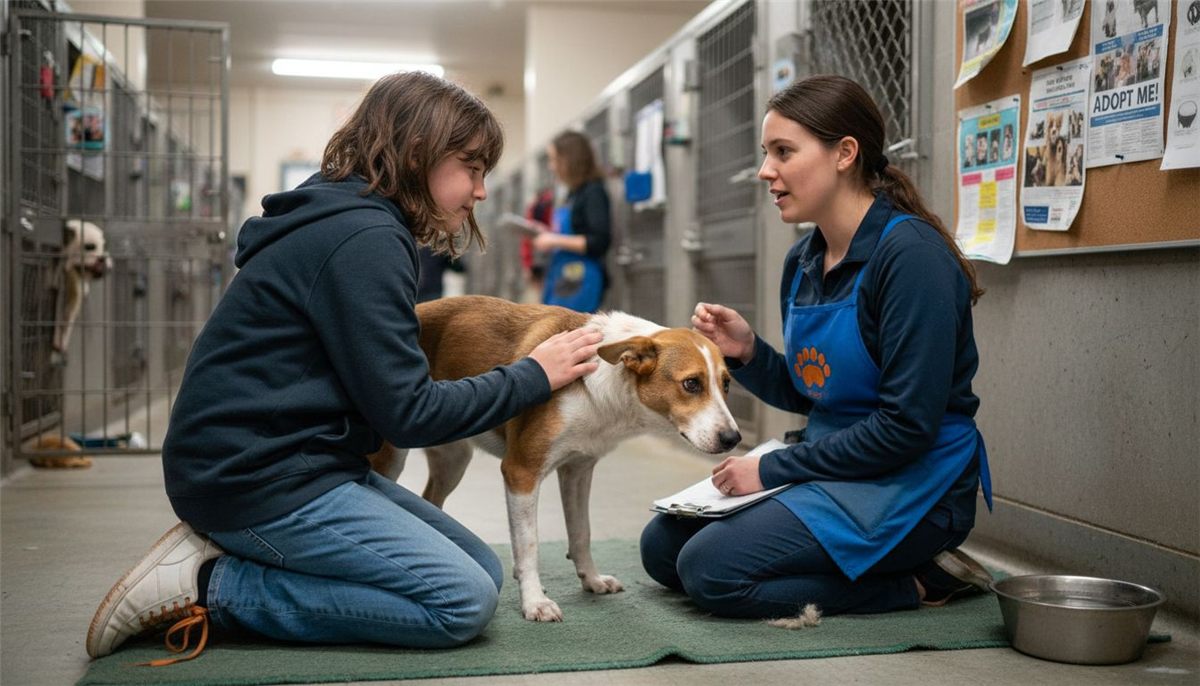
Think of volunteering like a personal training ground for becoming an awesome adult. Through community service, you’ll learn incredible skills like leadership, communication, and teamwork – abilities that schools rarely teach directly. When you volunteer, you’re practicing real-world problem solving in ways that homework just can’t match. Developing personal growth skills becomes natural and exciting.
The benefits go way deeper than just learning skills. Volunteering connects you with people outside your usual social circles, helps you understand different perspectives, and boosts your mental health. You’ll feel a sense of purpose, make new friends, and discover interests you might never have explored otherwise. Whether you’re helping at an animal shelter, cleaning up a local park, or supporting younger kids, each experience builds your confidence and empathy.
Pro tip: Start small by finding a volunteer opportunity that matches something you already enjoy – love animals? Check out local shelters. Care about the environment? Look for community cleanup events.
Popular Types of Volunteer Activities
Middle school offers an amazing variety of volunteer opportunities that can match almost any interest or passion you might have. Digital volunteering opportunities have exploded in recent years, allowing students to contribute from home while learning valuable skills. Some cool digital options include helping museums catalog collections, creating social media campaigns for local nonprofits, or participating in online research projects.
In-person volunteering remains incredibly powerful for building real-world connections. Popular activities include:
- Helping at animal shelters
- Organizing neighborhood clean-ups
- Supporting food banks
- Tutoring younger students
- Creating care packages for homeless shelters
Community service projects aren’t just about completing hours – they’re about making a genuine difference. Programs like Best Buddies offer unique chances to build friendships with peers who have disabilities, teaching compassion and understanding. Environmental projects like park clean-ups or community garden maintenance help you connect with your local community while learning about sustainability.
Pro tip: Ask your school counselor or local community center about volunteer programs that align with your specific interests – they often know about opportunities that aren’t widely advertised.
Here’s a comparison of in-person and digital volunteer activities for middle schoolers:
| Aspect | In-Person Volunteering | Digital Volunteering |
|---|---|---|
| Social Interaction | Face-to-face with peers and mentors | Remote collaboration on projects |
| Skill Development | Hands-on teamwork and leadership | Tech proficiency and global awareness |
| Accessibility | Limited by location and transport | Available from any internet connection |
| Example Impact | Improved community spaces | Increased online awareness for causes |
Key Life Skills Students Develop
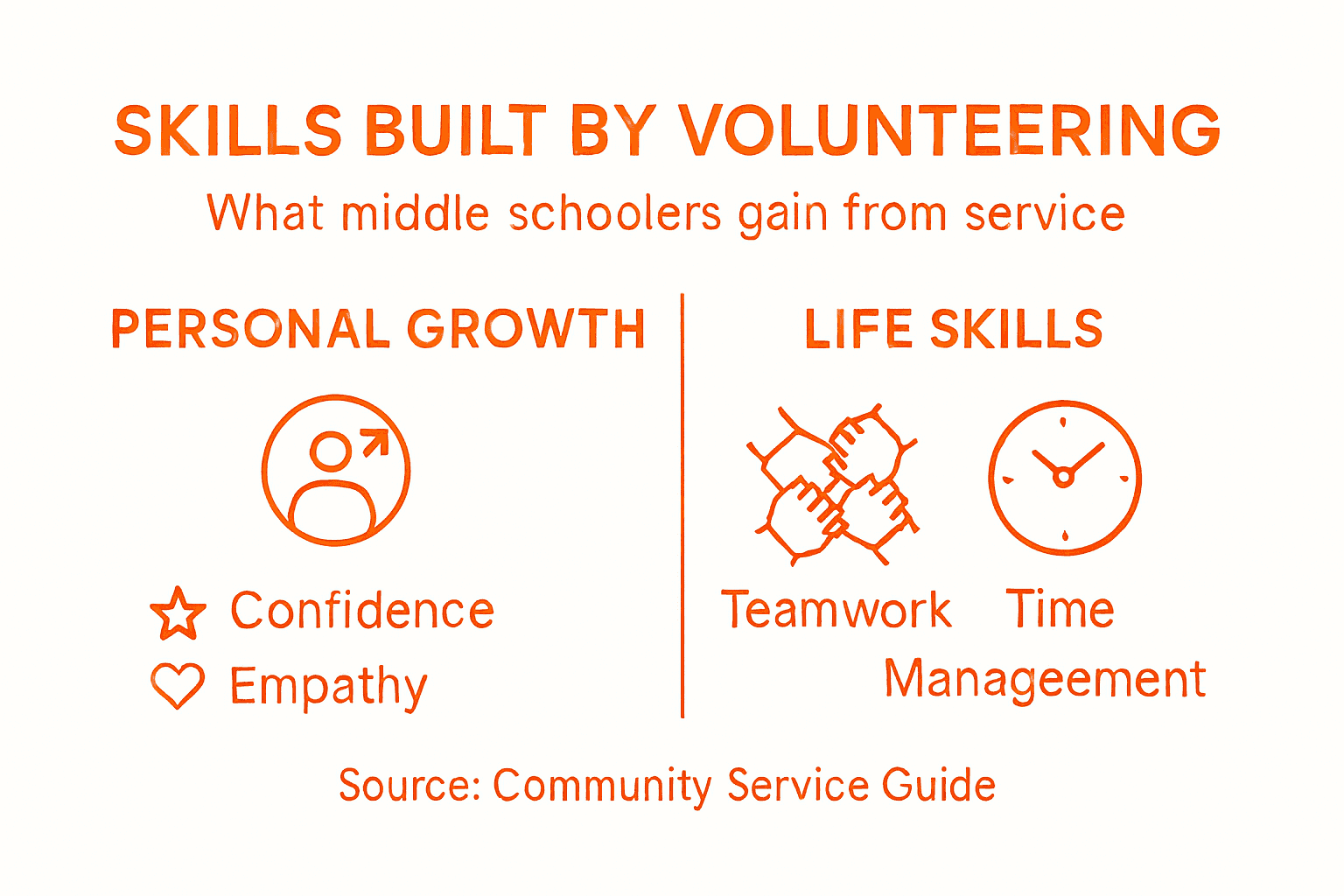
Volunteering isn’t just about helping others – it’s a powerful training ground for developing critical life skills that will serve you throughout your entire future. Core life skills for adolescents extend far beyond simple task completion, focusing on building fundamental capabilities that shape personal growth and success.
Through volunteer experiences, middle school students actively develop essential skills like leadership, communication, and problem solving. These aren’t just abstract concepts – they’re practical abilities you’ll use every day. Life skills training helps students build important competencies such as:
- Self-regulation: Learning to manage emotions and behaviors
- Adaptability: Adjusting to new situations and challenges
- Teamwork: Collaborating effectively with different people
- Time management: Balancing multiple responsibilities
- Communication: Expressing ideas clearly and listening actively
The most powerful aspect of skill development through volunteering is that you’re learning in real-world contexts. Unlike classroom lectures, volunteer work gives you immediate opportunities to practice planning, focus, and social interactions. You’re not just hearing about these skills – you’re living them. By stepping outside your comfort zone and engaging with diverse communities, you’re building emotional intelligence and resilience that will serve you throughout your life.
Pro tip: Keep a reflection journal about your volunteer experiences to track your personal growth and skill development – this can be an incredible tool for understanding your own progress.
Legal and Safety Considerations
Volunteering as a middle schooler involves more than just showing up with good intentions. Safety guidelines for youth are critical to protecting both volunteers and the organizations they serve. Understanding these guidelines helps ensure a positive, secure experience for everyone involved.
Before starting any volunteer work, there are several key legal considerations to keep in mind:
- Parental Consent: Written permission is typically required
- Age Restrictions: Some roles have minimum age requirements
- Background Checks: Organizations may screen adult supervisors
- Insurance Coverage: Volunteer programs need proper liability protection
- Time Limitations: Child labor laws restrict work hours for minors
School volunteer requirements emphasize the importance of adult supervision and appropriate role assignment. Middle school volunteers should always work under the guidance of screened adults, never be left alone with vulnerable populations, and follow organizational policies carefully. This means understanding boundaries, communication protocols, and emergency procedures before beginning any volunteer work.
Pro tip: Always have a parent or guardian review the volunteer opportunity details and accompanying paperwork before committing to ensure everything is safe and appropriate.
Legal and safety guidelines for middle school volunteering at a glance:
| Requirement | Why It Matters | Common Practice |
|---|---|---|
| Parental Consent | Ensures family approval | Written forms required |
| Adult Supervision | Promotes safety | Screened adults present |
| Age Restrictions | Matches maturity to task | Minimum ages for some roles |
| Insurance Coverage | Provides liability protection | Covered by host organization |
How Parents Guide Successful Volunteering
Parental involvement transforms volunteering from a simple activity into a meaningful learning experience for middle school students. Parent volunteer strategies are crucial in helping children navigate and maximize their community service opportunities.
Successful parental guidance involves several key approaches:
- Open Communication: Discuss volunteer interests and goals
- Research Together: Explore age-appropriate opportunities
- Safety First: Review organization requirements and guidelines
- Set Realistic Expectations: Match skills with volunteer roles
- Provide Emotional Support: Help process new experiences
Parental involvement in volunteering goes beyond simple supervision. It’s about creating a supportive environment that encourages growth, builds confidence, and helps students understand the deeper meaning of community service. Parents can help by asking reflective questions, celebrating small achievements, and connecting volunteer experiences to broader life lessons.
Pro tip: Create a shared digital folder or journal where your middle schooler can document their volunteer experiences, reflecting on what they learned and how they helped their community.
Empower Your Middle Schooler’s Growth Through Effective Learning and Life Skills
Volunteering builds crucial skills like communication, leadership, and time management while enriching empathy and confidence. If your middle schooler is ready to take those valuable life lessons even further, mastering study habits, productivity, and self-discipline will prepare them for ongoing success. Our collection of resources focuses on helping students develop these exact skills in ways that complement their volunteer experiences.
Discover practical strategies for managing time effectively, enhancing focus, and balancing new responsibilities. Start cultivating essential life skills now to support your child’s growth and future achievements. Explore tips on productivity and healthy lifestyle habits designed to empower learners beyond the classroom. Take the next step toward building a confident, well-rounded learner today.
Frequently Asked Questions
What are the benefits of volunteering for middle schoolers?
Volunteering helps middle schoolers develop essential life skills like leadership, communication, and teamwork. It also fosters personal growth, empathy, and connects them with diverse communities, boosting their mental health and providing a sense of purpose.
How can middle schoolers find volunteer opportunities?
Students can find volunteer opportunities through their school counselors, local community centers, or by researching organizations that align with their interests. Digital volunteering options are also available, allowing students to engage from home.
What skills can students develop through volunteering?
Students can develop skills such as self-regulation, adaptability, teamwork, time management, and communication. These skills are practiced in real-world contexts, providing immediate opportunities for application and growth in everyday situations.
What should parents consider when guiding their children in volunteering?
Parents should maintain open communication about their child’s volunteer interests, research opportunities together, prioritize safety guidelines, and help set realistic expectations. Emotional support through reflection on experiences is also crucial.
Recommended
- 10 Extracurricular Activities for High School Students to Boost Skills
- Why Junior Year is Not Too Late to Start Extracurriculars
- 10 Unique College Essay Ideas to Stand Out in Applications
- 12 Communication Skills Every Student Should Master
Want a head start? The Ultimate ‘To College & Beyond’ Bundle in my shop was made for exactly this — it’ll save you a ton of time.