
The Simple Trick to Improve Your Personal Responsibility (and Your GPA) Right Now
Have you ever looked at your mid-semester grades and felt like a passenger in your own life? Maybe you blamed a "tough" professor, a confusing textbook, or a schedule that felt impossibly packed. We’ve all been there. It’s easy to feel like your GPA is something that happens to you rather than something you create.
But what if there was one shift: one simple trick: that could change your entire academic trajectory?
The secret isn’t a magic study hack or a secret textbook. It’s Personal Responsibility.
When you stop viewing your grades as a result of external circumstances and start viewing them as the direct outcome of your choices, everything changes. Ready to become the driver of your own success? Let’s dive into how you can reclaim your power and boost your GPA starting today.
The Missing Link Between Ownership And Your Grades
Most students think that high grades come down to IQ or luck. In reality, the most successful students share a trait called an Internal Locus of Control. This is a psychological concept where you believe that you have the power to influence the outcomes of your life.
When you take 100% responsibility for your results, you stop being a victim of your circumstances. Did you fail a quiz? A student with a "fixed" mindset might say, "The teacher made it too hard." A student with personal responsibility says, "I didn’t allocate enough time to the practice problems; next time, I’ll start two days earlier."
Why this matters for your GPA:
- It eliminates excuses: When you own your mistakes, you can actually fix them.
- It builds resilience: You stop fearing failure because you know you have the tools to adjust.
- It increases focus: You spend less energy complaining and more energy on essential tasks that move the needle.
Perform A Habit Audit To Find Your Leaks
You can't take responsibility for what you don't track. Most GPA "disasters" don't happen overnight; they are the result of small, daily leaks in your productivity and mindset. To fix your grades, you first need to audit your current habits.
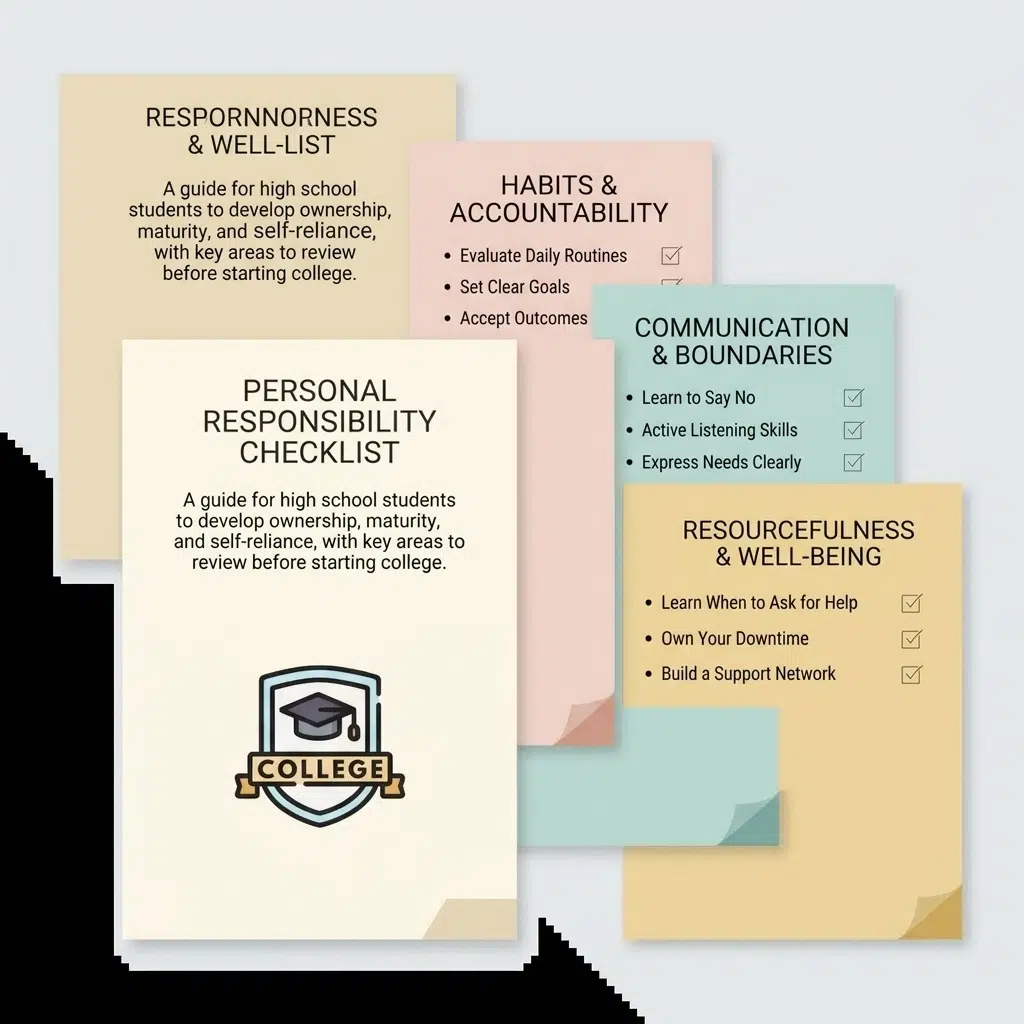
Are you actually putting in the work, or are you just "performing" productivity? Use this checklist to evaluate where you stand right now:
- Audit Your Habits: Are you spending your peak energy hours on your hardest subjects, or are you scrolling through TikTok?
- Set Tech Boundaries: Do you have "focus hours" where your phone is in another room? Streamline your focus by removing digital clutter.
- Own Your Time: Do you know exactly when your next three assignments are due? Use a tool like our Life Reset Checklist to clear the mental fog.
- Ask for Help: Personal responsibility doesn't mean doing it alone. It means being responsible enough to recognize when you need a tutor or a study group.
Shift Your Perspective With A Growth Mindset
The bridge between where you are and where you want to be is your mindset. Many students fall into the trap of thinking they are "just not a math person" or "bad at writing." This is a fixed mindset, and it is the enemy of personal responsibility.
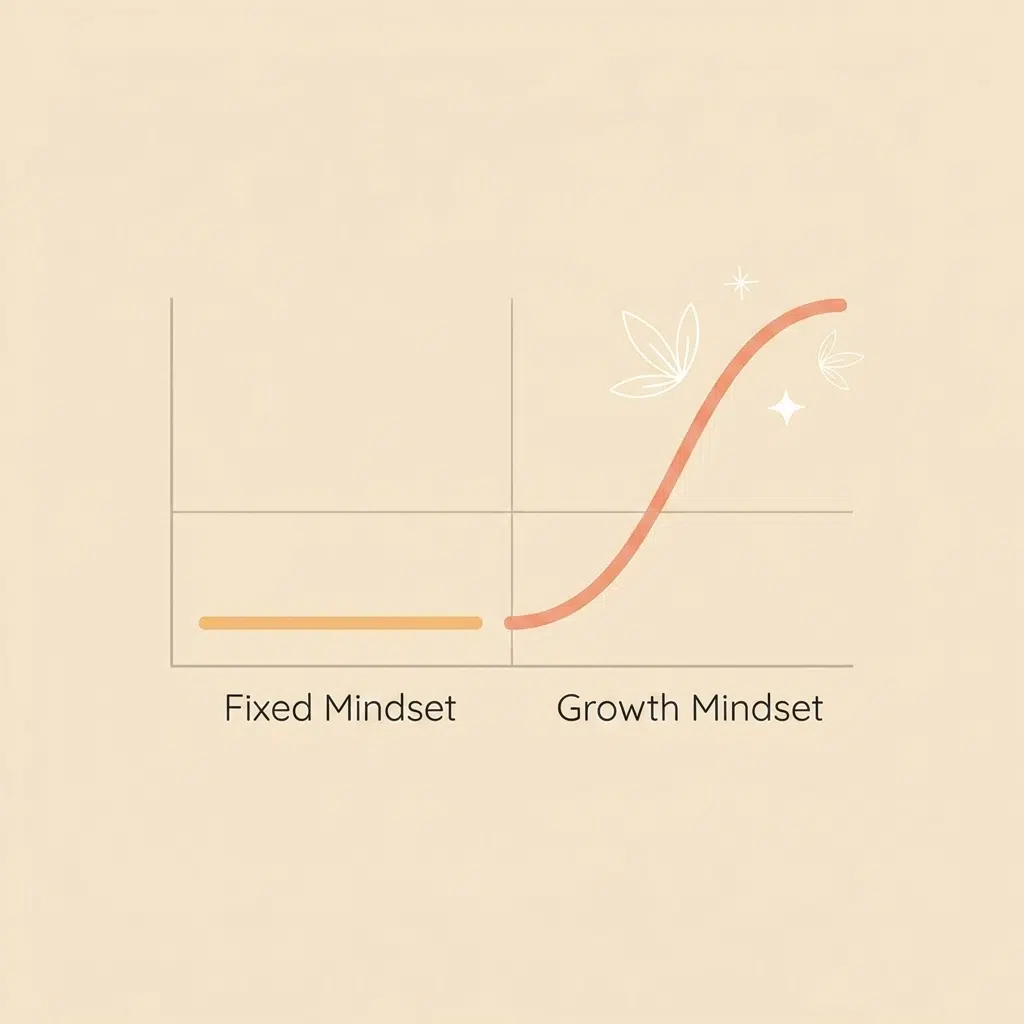
When you adopt a Growth Mindset, you realize that your brain is a muscle. Every difficult assignment is an opportunity to get stronger.
How to shift your mindset today:
- View challenges as data points: Instead of seeing a low grade as a "fail," see it as evidence that your current study method needs a tweak.
- Replace "I can't" with "I haven't learned how yet": This small linguistic shift places the power back in your hands.
- Celebrate the process, not just the result: If you spent four hours focused and used an effective study technique, that’s a win: regardless of the grade.
To help you track this mental shift, we recommend using our Self-Assessments to identify your learning style and mindset blocks.
The Power Of Peer Accountability
Taking responsibility for your GPA is much easier when you aren't doing it in a vacuum. Surrounding yourself with people who also value growth and ownership is a "cheat code" for success. When you see your peers taking ownership of their schedules, it becomes the "new normal" for you too.

Ways to build an accountability system:
- Join or start a study group: Discussion helps reinforce concepts and keeps you honest about your progress.
- Publicly commit to your goals: Tell a friend or a parent what grade you are aiming for on your next exam.
- Use shared digital tools: Collaborate on notes or project timelines to keep everyone: including yourself: on track.
Practical Tools To Maintain Your Momentum
Motivation is a spark, but systems are the engine. To maintain personal responsibility over the long haul, you need a lean productivity stack that works for you, not against you.
Here are the essential tools we recommend to keep your responsibility levels high:
- The Pomodoro Technique: Use a simple timer (like the tomato timer above) to work in 25-minute bursts. This makes "owning your time" feel manageable rather than overwhelming.
- Daily Reflection: Spend five minutes every evening reviewing what went well and what didn't. Our Printable Daily Reflection Journal Template is designed exactly for this.
- A Consistent Routine: Don't leave your studying to "when you feel like it." Map out your week using a Daily Healthy Habits Checklist to ensure your GPA-boosting activities happen automatically.

Ready To Take Control Of Your Future?
Improving your GPA isn't about working 20 hours a day; it's about working with intention and taking full ownership of your journey. You have the power to change your narrative, starting with the very next task on your to-do list.
Ready to join a community of students who are doing the same?
We're here to provide the unfiltered advice and actionable resources you need to thrive. Whether you're looking for college school supplies lists or a community that gets the struggle, we've got your back.
Join The Community and get our biweekly resources delivered straight to your inbox. Let’s make this semester your best one yet.
Want a head start? The Ultimate Student Planner in my shop was made for exactly this — it’ll save you a ton of time.