Why Am I So Anxious? Stress and You in Middle School
Feeling stressed in middle school is more common than many American students realize, with studies showing that over half of teens report struggling with anxiety. From pop quizzes to group projects, your brain and body can react in surprising ways. Facing these emotions head-on helps you take charge of your well-being. This guide breaks down what anxiety really means and shows practical steps for finding balance, no matter what challenges school throws your way.
Key Takeaways
| Point | Details |
|---|---|
| Understanding Anxiety | Anxiety is a normal response to stress, particularly among middle school students facing academic and social pressures. Recognizing this can help in managing these feelings more effectively. |
| Sources of Stress | Common causes of stress include academic expectations, social dynamics, and family responsibilities, significantly impacting students’ emotional health. |
| Coping Strategies | Developing coping strategies such as exercise, deep breathing, and maintaining a support network are essential for managing anxiety and enhancing emotional resilience. |
| Seeking Help | Recognizing when to seek help is crucial; reaching out to trusted adults or professionals can provide necessary support for managing anxiety effectively. |
Anxiety and Stress Explained for Students
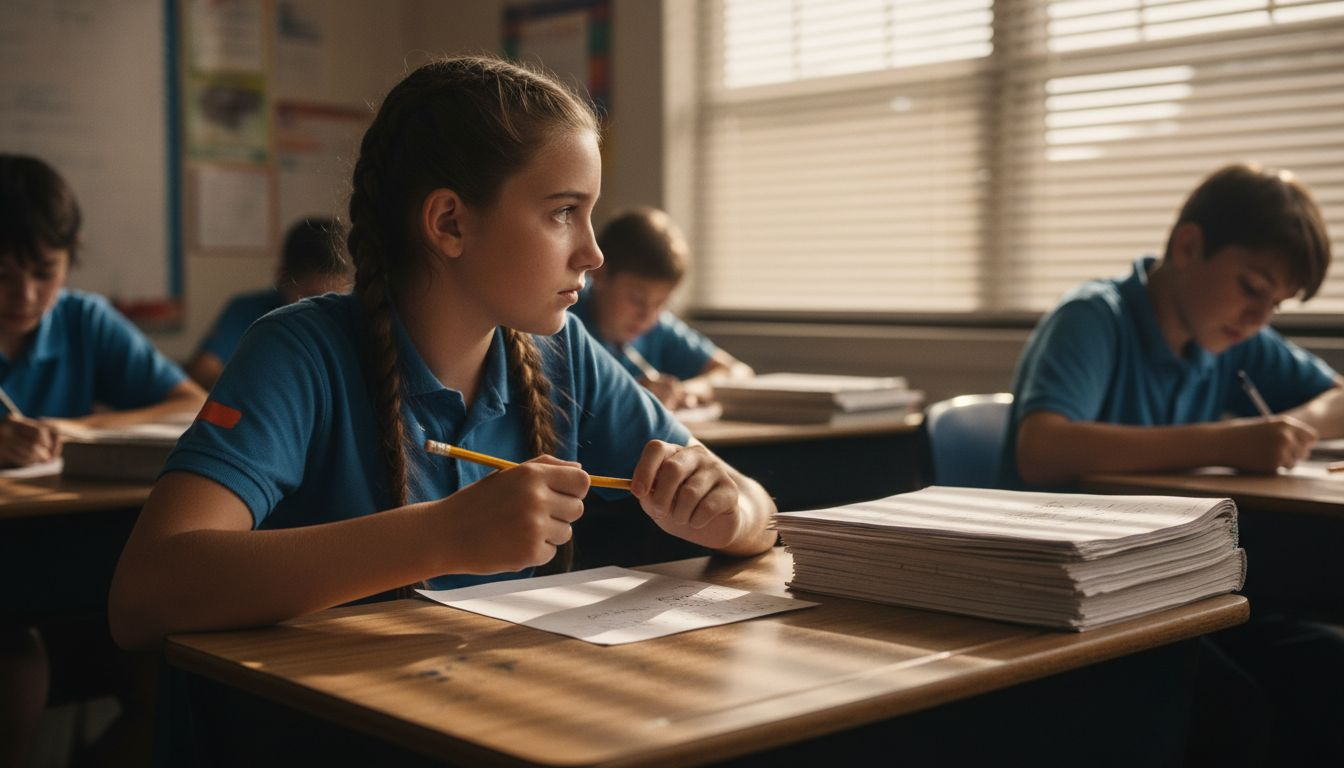
If you’ve ever felt your heart racing before a big test or your palms getting sweaty during a class presentation, you’re experiencing what psychologists call anxiety. Middle school can feel like an emotional rollercoaster, and understanding what’s happening in your brain can make these feelings less scary.
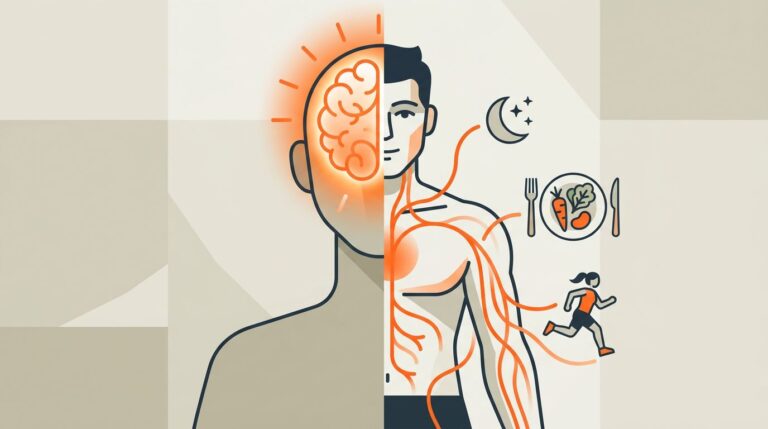
Anxiety is a normal human emotion characterized by tension, worried thoughts, and physical changes. Common anxiety symptoms in students include difficulty concentrating, muscle tension, rapid heartbeat, and feeling irritable. These reactions happen because your body is preparing for a perceived threat – even if that “threat” is just a math quiz or speaking in front of your classmates.
Understanding anxiety means recognizing its sources. For middle schoolers, stress often comes from academic pressures, social challenges, and the complex process of figuring out who you are. Genetics, brain chemistry, personality, and environment all play roles in how anxiety develops. Some students might feel more anxious due to family history, while others experience heightened stress from new social dynamics or increased academic expectations.
Remember that experiencing anxiety doesn’t mean something is wrong with you. It’s a normal response that everyone encounters differently. The key is learning how to manage these feelings and develop healthy coping strategies.
Pro tip: Practice deep breathing exercises when you feel anxious, focusing on taking slow, controlled breaths to help calm your nervous system.
Common Causes of Middle School Stress
Middle school marks a major transition where academic, social, and personal challenges suddenly feel more intense. School stress affects students dramatically, creating complex emotional landscapes that can feel overwhelming and unpredictable.
Academic pressures represent a significant source of stress. Increased homework complexity, higher expectations from teachers, and more challenging coursework create significant mental strain. Many students struggle with time management, balancing multiple subject demands, and maintaining grades while adapting to more independent learning styles. The shift from elementary to middle school introduces more rigorous academic expectations that can feel like a sudden academic mountain climb.
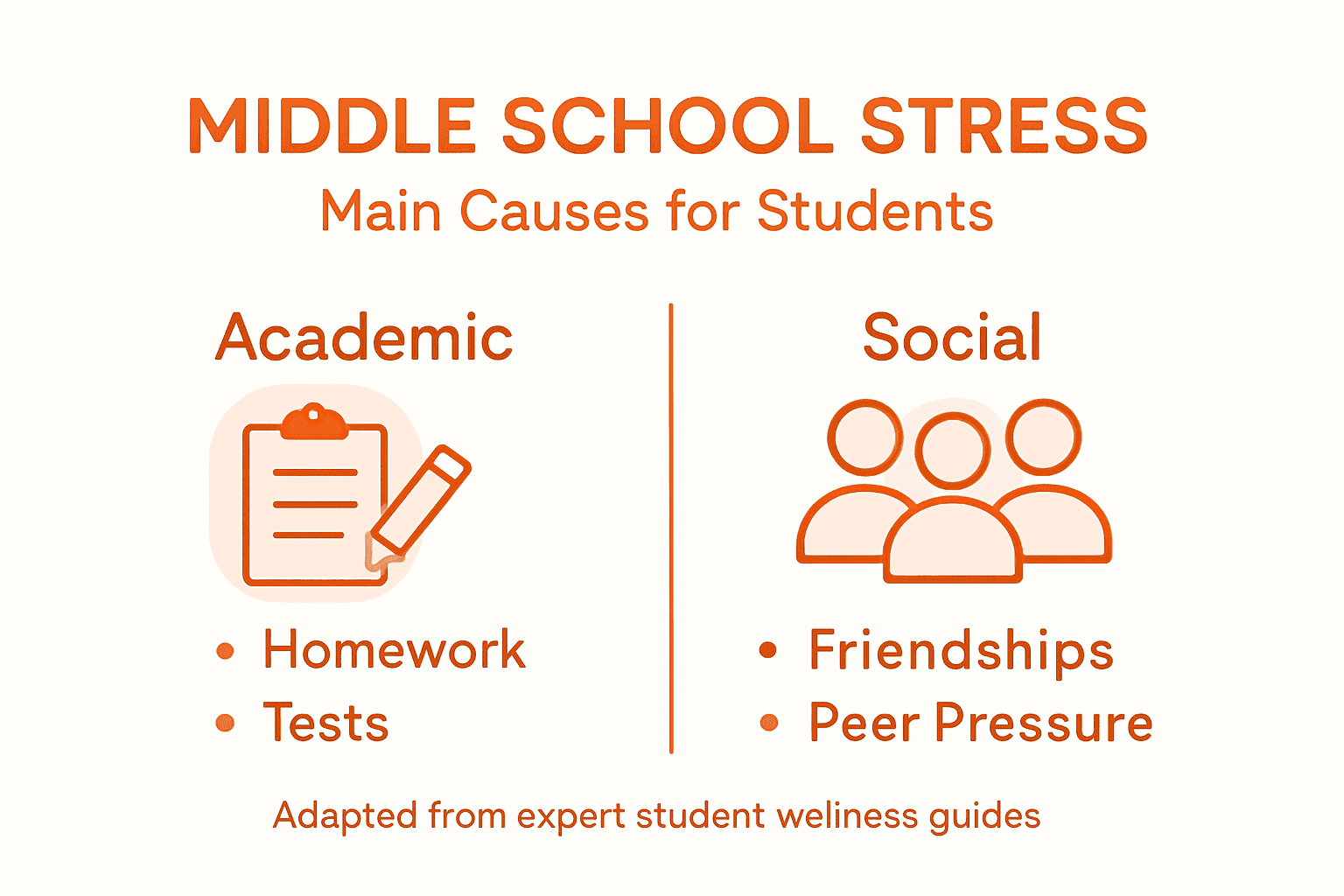
Social dynamics also play a massive role in middle school stress. Peer relationships become more complicated, with social hierarchies, changing friendship groups, and increasing social pressures emerging. Students navigate complex emotional territories like fitting in, managing social media interactions, dealing with potential bullying, and understanding evolving social dynamics. Puberty adds another layer of complexity, bringing physical and emotional changes that can trigger anxiety and self-consciousness.
External factors like family expectations, extracurricular activities, and emerging personal responsibilities contribute additional stress. Some students manage part-time responsibilities, family expectations, or personal challenges that compound their academic and social pressures. Middle school transition requires comprehensive support to help students develop resilience and coping mechanisms.
Here’s a quick overview of key sources of middle school stress and their impact on students:
| Source of Stress | Description | Common Impact on Students |
|---|---|---|
| Academic Pressure | Tougher classes, more homework | Difficulty focusing, lower grades |
| Social Dynamics | Changing friendships and hierarchies | Increased peer anxiety, isolation |
| Family Expectations | Parental pressure or responsibilities | Self-doubt, feeling overwhelmed |
| Extracurricular Demands | Sports, clubs, and outside activities | Exhaustion, time management issues |
Pro tip: Create a weekly schedule that balances academic work, social time, and personal relaxation to help manage stress more effectively.
Recognizing Warning Signs and Symptoms
Anxiety isn’t always obvious, especially in middle school where emotions run high and changes happen quickly. Anxiety symptoms can disrupt daily life, making it crucial to understand what these warning signs look like.
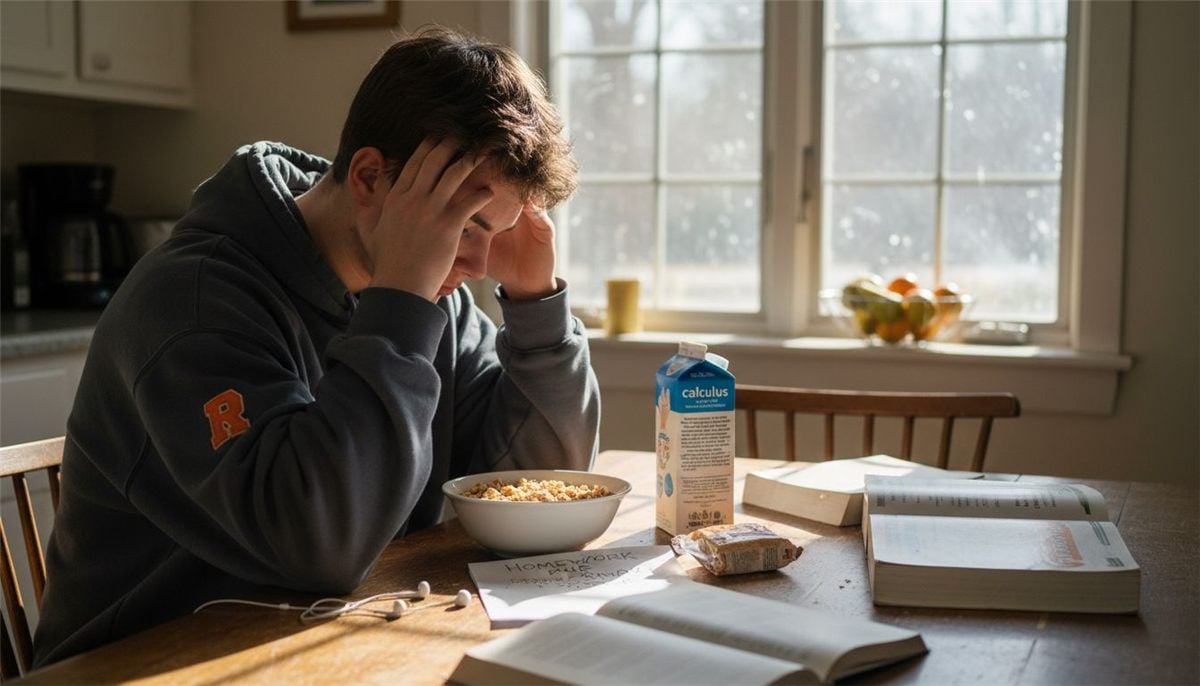
Physical symptoms often provide the first clues to anxiety. You might experience unexplained headaches, stomachaches, muscle tension, or rapid heartbeat. Some students feel constantly tired, struggle to sleep, or have sudden changes in appetite. These bodily signals are your nervous system’s way of responding to stress, even when no immediate threat exists. Some teens might notice sweating, trembling, or feeling dizzy when anxious, which can be especially confusing and scary.
Emotional and behavioral warning signs can be more subtle but equally important. Childhood anxiety reveals complex symptoms like constant worry, difficulty concentrating, and frequent mood swings. You might find yourself seeking constant reassurance, avoiding social situations, or experiencing intense fear of being judged. Some students become irritable, have sudden emotional outbursts, or withdraw from activities they once enjoyed. These changes can impact school performance, friendships, and overall quality of life.
This summary compares physical and emotional anxiety symptoms middle schoolers might notice:
| Symptom Type | Example Symptoms | How It Appears at School |
|---|---|---|
| Physical | Headache, muscle tension, sweating | Trouble sitting still, fidgeting |
| Emotional | Worry, irritability, avoidance | Fear of class, withdrawing socially |
It’s important to remember that experiencing some of these symptoms doesn’t automatically mean you have an anxiety disorder. Everyone feels anxious sometimes. The key is recognizing when these feelings become persistent, overwhelming, or start interfering with your daily life. If you notice these signs continuing for several weeks, it might be time to talk to a trusted adult, school counselor, or healthcare professional.
Pro tip: Keep a small journal tracking your mood, physical symptoms, and stress triggers to help identify patterns and communicate effectively with trusted adults.
Effective Coping Strategies That Work
Dealing with anxiety doesn’t mean fighting it alone or trying to make it disappear completely. Instead, it’s about developing powerful tools to manage your feelings and build emotional resilience. Mindfulness meditation reduces student stress by teaching you how to handle challenging emotions more effectively.
Physical strategies can make a huge difference in managing anxiety. Regular exercise releases endorphins that help reduce stress, while activities like yoga, walking, or team sports provide both physical movement and mental distraction. Deep breathing techniques are incredibly powerful – try the 4-7-8 method where you inhale for 4 seconds, hold for 7 seconds, and exhale for 8 seconds. This simple technique can calm your nervous system almost instantly. Getting enough sleep, eating balanced meals, and staying hydrated also play critical roles in managing your body’s stress response.
Emotional and mental strategies are equally important. Talking to trusted adults like parents, school counselors, or teachers can provide significant relief. Keeping a journal helps you track your feelings and identify anxiety triggers. Learning to challenge negative thoughts by asking yourself if they’re realistic can help reduce their power. Developing a support network of friends who understand and support you creates a safety net during challenging times. Some students find creative outlets like art, music, or writing help them process complicated emotions more effectively.
Technology and structured approaches can also help. Many apps offer guided meditation and breathing exercises specifically designed for teenagers. Creating a consistent daily routine provides a sense of control and predictability. Breaking larger tasks into smaller, manageable steps can make overwhelming challenges feel more approachable. Remember that developing coping skills is a process – be patient and kind to yourself.
Pro tip: Create a personal “calm down kit” with items that help you relax, like a stress ball, favorite music playlist, or comforting photos.
When and How to Ask for Help
Asking for help isn’t a sign of weakness – it’s actually a superpower that shows incredible emotional intelligence and strength. Mental health support matters deeply for middle school students navigating complex emotional landscapes.
Knowing when to seek help is crucial. Some clear signals include feeling consistently overwhelmed, experiencing persistent sadness or anxiety that interferes with daily life, struggling to complete schoolwork, or noticing significant changes in sleep, appetite, or mood. If you’re having thoughts of hurting yourself or feeling hopeless, that’s an immediate sign to reach out. Don’t wait for the situation to become unbearable. Early intervention can prevent smaller challenges from becoming more significant mental health concerns.
Choosing the right person to talk to makes a huge difference. Trusted adults like school counselors, teachers, parents, or school nurses are trained to provide support and guidance. School-based mental health resources exist specifically to help students navigate challenging emotional experiences. If talking to someone in person feels intimidating, consider writing a letter, sending an email, or asking a friend or sibling to help you start the conversation. Remember that these professionals are committed to keeping your conversations confidential and creating a safe, supportive environment.
Preparing for the conversation can help reduce anxiety. Write down your feelings beforehand, practice what you want to say, and be honest about your experiences. It’s okay to be nervous – most people feel that way when discussing personal challenges. Focus on describing how you’re feeling and the specific ways these feelings are impacting your life. Don’t worry about having a perfect explanation; simply being open and sincere is what matters most.
Pro tip: Prepare a short, simple script like “I’ve been feeling really anxious lately, and I need some help figuring out how to manage these feelings”.
Manage Middle School Anxiety with Confidence and Support
Feeling overwhelmed by the sudden surge of anxiety and stress in middle school is a challenge many students face. This article highlights key struggles like academic pressure, social dynamics, and physical symptoms such as rapid heartbeat and muscle tension. If these challenges affect your focus or mood it is important to find effective coping strategies and emotional support. Understanding anxiety as a natural response is the first step toward taking control.
Discover practical tools and lifestyle tips designed to help students build resilience and balance through our Wellness – Learning With Angie resources. Whether you need guidance on managing stress or improving daily routines, our expert advice supports your mental and physical health. Ready to take action now Visit Learning With Angie to access personalized solutions and start your journey to feeling calmer and more confident today. Remember every small step makes a big difference in mastering your anxiety and thriving through school years.
Frequently Asked Questions
What are common causes of anxiety in middle school students?
Anxiety in middle school students can stem from academic pressures, social dynamics, family expectations, and extracurricular demands. The transition to more rigorous courses and changing friendship groups can create significant stress.
How can I recognize the symptoms of anxiety in myself or others?
Common symptoms of anxiety include physical reactions like headaches, muscle tension, and rapid heartbeat, along with emotional signs such as constant worry, irritability, and avoidance of social situations. If these symptoms persist and interfere with daily life, it’s important to seek help.
What are effective coping strategies for managing anxiety?
Effective coping strategies include physical activities like exercise and yoga, deep breathing techniques, talking to trusted adults, keeping a journal, and creating a consistent daily routine. Mindfulness practices can also be beneficial in reducing stress levels.
When should I ask for help for anxiety?
You should seek help if feelings of anxiety become overwhelming, interfere with daily activities, or if you experience persistent sadness or changes in mood and behavior. Early intervention can help manage anxiety more effectively.