How to Cook in Your Dorm Without Losing Your Mind …Or Your Money
Picture this: it’s 9 PM, you’re broke until your next paycheck hits, and your stomach is making sounds that could wake your roommate. Sound familiar?
Here’s the thing – dorm cooking doesn’t have to mean surviving on ramen and energy drinks (though we’ve all been there). With the right setup and some basic ingredients, you can actually eat pretty well while saving serious cash.
College students drop around $672 monthly on food, with most of that going to takeout and campus dining. But here’s what nobody tells you: learning to cook in your cramped dorm space can cut that number in half while giving you way better control over what you’re putting in your body.
What You Can Actually Cook With Without Getting in Trouble
Honestly – most dorms have pretty strict rules about what cooking equipment you can use. Before you go ordering that fancy air fryer, check your housing contract.
Most traditional dorms allow:
- Microwaves (usually provided or rented through the school)
- Mini fridges (5.0 cubic feet or smaller)
- Electric kettles (your secret weapon for way more than just tea)
What you probably can’t have:
- Hot plates
- Toaster ovens
- Rice cookers (in some dorms)
- Anything with exposed heating coils
But here’s where it gets interesting – some schools are more flexible than others. Check with your RA about what’s actually enforced versus what’s just written in the handbook.
Your Secret Weapon: The Electric Kettle
This little appliance is going to be your best friend. You can:
- Make perfect ramen by pouring boiling water over the noodles
- Cook pasta directly in the kettle (just like you would on a stove)
- Prepare instant oatmeal and couscous
- Make hot beverages whenever you need a study break

Food Safety 101
I know that food safety sounds boring. But trust me, getting sick from sketchy leftover pizza is way worse than spending two minutes learning the basics.
The Golden Rules:
- Don’t leave food out for more than 2 hours (1 hour if it’s really hot)
- Keep your mini fridge below 40°F
- When in doubt, throw it out
- Wash your hands before and after handling food
Pro tip: Get a cheap refrigerator thermometer. Those mini fridges don’t always maintain consistent temperatures, especially when everyone’s constantly opening them.
Building Your Dorm Pantry The Smart Way
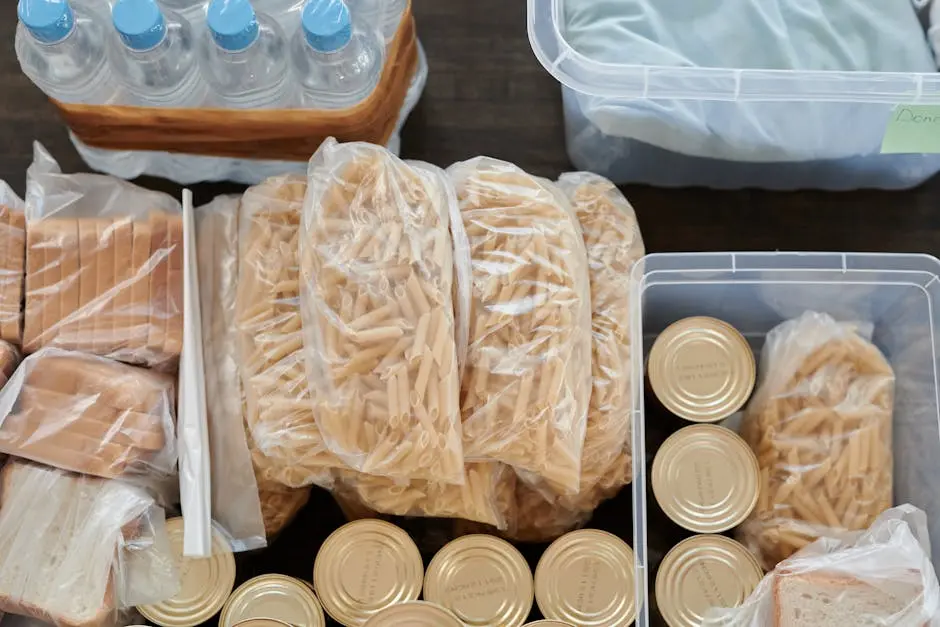
You don’t need to stock up like you’re preparing for the night of the walking dead. Focus on versatile ingredients that can work in multiple dishes and don’t take up tons of space.
Your Core Ingredients
Grains That Actually Matter:
- Pasta (the ultimate college food – cheap, filling, versatile)
- Quick-cooking oats (breakfast, snacks, even savory dishes)
- Brown rice (if you have a way to cook it properly)
- Quinoa (fancy grain that’s actually a complete protein)
Proteins That Work:
- Eggs (seriously, learn to love these – so versatile)
- Canned tuna (9g of protein per ounce, no cooking required)
- Peanut butter (not just for sandwiches)
- Canned beans (chickpeas, black beans, whatever you like)
- Greek yogurt (protein powerhouse for breakfast or snacks)
Flavor Makers:
- Olive oil (for everything)
- Salt and pepper (obviously)
- Garlic powder (because fresh garlic is annoying to prep)
- Italian seasoning (makes anything taste better)
- Soy sauce (instant umami)
- Hot sauce (personal preference, but it fixes bland food fast)
The Spice Game
Here’s something extra – a lot of common spices actually have health benefits beyond just making your food taste good.
Turmeric isn’t just trendy – it’s got serious anti-inflammatory properties that might help with stress-related inflammation (and let’s face it, college is stressful).
Cinnamon can help stabilize your blood sugar, which means fewer energy crashes during those marathon study sessions.
Ginger is your friend when you’re feeling nauseous from too much caffeine or stress.
You don’t need a whole spice rack – just grab a few basics that you’ll actually use.

Storage Hacks for Tiny Spaces
Your dorm room storage situation is probably pretty tragic, but you can make it work with some creativity.
Maximize Your Vertical Space:
- Use plastic drawer organizers for dry goods
- Over-the-door shoe organizers work great for snacks and condiments
- Stackable containers keep everything organized and pest-free
Rolling Cart Life:
- Get a small rolling cart that can serve as your “kitchen station”
- Keep all your cooking supplies and non-perishables in one mobile spot
- Roll it out of the way when you need more floor space
Meals That Actually Work in Dorm Life
Forget complicated recipes. You want things that taste good, fill you up, and don’t require a chemistry degree to prepare.
Breakfast Winners
Overnight Oats:
Mix oats with milk (dairy or non-dairy), add fruit and nuts. Leave it in your mini fridge overnight. Boom – breakfast ready when you wake up.
Microwave Mug Omelet:
Beat 2 eggs with a splash of milk in a microwave-safe mug. Add whatever veggies you have. Microwave for 1-2 minutes, stirring halfway through.
Upgraded Avocado Toast:
Toast bread, mash avocado on top, add a hard-boiled egg if you’re feeling fancy.
Lunch and Dinner Ideas
Ramen That Doesn’t Suck:
Start with regular ramen, but add frozen veggies while it’s cooking. Crack an egg into the hot broth. Add some soy sauce and hot sauce. Suddenly you have an actual meal.
Pasta with Whatever:
Cook pasta, toss with olive oil, garlic powder, and whatever you have – canned beans, frozen veggies, leftover protein. It’s hard to mess this up.
Bean and Grain Bowls:
Mix canned beans with cooked quinoa or rice. Add whatever veggies you have. Dress with olive oil and vinegar. High protein, very filling.
Hummus Everything:
Use hummus as a sandwich spread, veggie dip, or sauce for grain bowls. It’s basically a complete protein that requires zero cooking.
The Money Talk
Here’s the deal on costs: home cooking averages about $3.98 per meal. Compare that to campus dining or takeout, and you’re looking at serious savings.
Smart Shopping Tips:
- Buy smaller quantities to match your storage space and eating patterns
- Frozen vegetables are just as nutritious as fresh and last way longer (but freezer space matters)
- Generic brands are usually fine for basics like pasta and canned goods
- Shop sales and stock up on non-perishables when prices drop

Why This Actually Matters for Your Brain
I’m not going to lecture you about nutrition, but there’s actually solid science showing that what you eat directly affects how well you can focus, remember stuff, and handle stress.
Protein helps with concentration – aim to include some in every meal.
Complex carbs give you steady energy instead of the sugar crash you get from processed snacks.
Healthy fats support brain function – nuts, olive oil, and avocados aren’t just Instagram-worthy.
When Everything Goes Wrong
Sometimes you’ll burn the pasta water (yes, that’s possible). Sometimes your mini fridge will break down right before a big exam. Sometimes you’ll be too stressed to think about food at all.
That’s normal. Have backup plans:
- Keep some healthy shelf-stable options around
- Know which campus dining options are actually decent
- Don’t beat yourself up for ordering pizza occasionally
The Real Skills You’re Building
Learning to cook in a dorm isn’t just about saving money (though that’s nice). You’re actually developing life skills that’ll serve you way beyond college:
- Problem-solving with limited resources
- Planning and organization
- Basic food safety and nutrition knowledge
- Independence and self-sufficiency
Plus, being the person who can whip up a decent meal in a tiny space makes you pretty popular with your friends.
FAQ
Can I really cook pasta in an electric kettle?
Yep! Add pasta and water to the kettle just like you would on a stove. It takes about the same amount of time and works great for small portions.
What if my dorm doesn’t allow any cooking appliances?
Focus on no-cook options like sandwiches, salads, overnight oats, and foods that just need hot water from the bathroom or common area.
How do I deal with limited fridge space?
Prioritize perishables that pack the most nutrition – yogurt, eggs, fresh fruit. Use shelf-stable alternatives when possible, like canned beans instead of fresh meat.
Is it worth it to cook in such a small space?
Absolutely. Even preparing half your meals can save you hundreds of dollars per semester while giving you better nutrition and more energy for your studies.
What’s the most important thing to focus on as a beginner?
Start with food safety basics and a few simple recipes you actually like. Build from there instead of trying to master everything at once.
Want a head start? The Ultimate Student Planner in my shop was made for exactly this — it’ll save you a ton of time.