Feeling Invisible at School: Practical Steps for Belonging
Almost every American high school has students who feel like they blend into the background. Being overlooked is more common than people think—over one in four students admit to feeling invisible at school. This sense of isolation can drain your confidence and motivation, especially when social networks seem tightly closed. By understanding the real impact of feeling ignored, you can start to find new pathways for building genuine connections and feeling seen in your school community.
Key Takeaways
| Point | Details |
|---|---|
| Understanding Emotional Visibility | Feeling invisible at school leads to significant psychological impacts, affecting self-esteem and social engagement. Recognizing these feelings is essential for addressing emotional needs. |
| Importance of Social Connections | Building meaningful relationships is critical for academic success and personal well-being, necessitating intentional effort in social interactions. |
| Seeking Trusted Adults | Establishing connections with trusted adults can transform the school experience, offering essential support for emotional and academic growth. |
| Avoiding Pitfalls in Acceptance | Students should focus on authenticity and healthy boundaries to foster genuine connections, avoiding behaviors that may alienate others. |
Defining Feeling Invisible at School
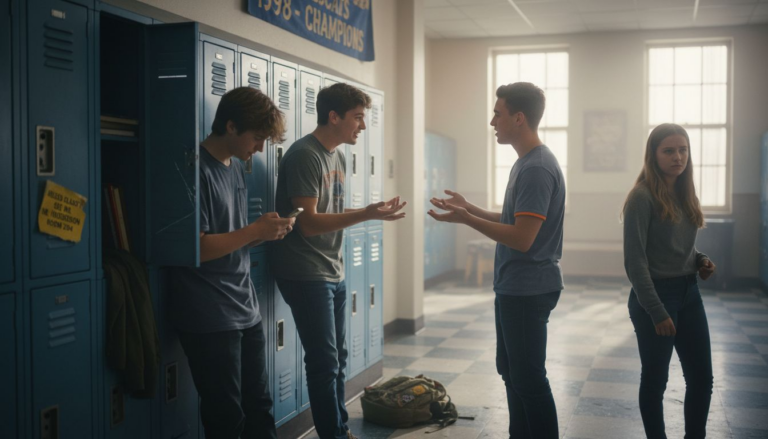
Feeling invisible at school isn’t just a metaphor – it’s a real emotional experience that many high school students struggle with silently. When we talk about being “invisible”, we’re describing a profound sense of social disconnection where you feel unnoticed, unheard, and overlooked by peers and teachers alike. Research on perceived school safety reveals that this experience is more common than most people realize.
The psychological impact of feeling invisible goes deeper than simple loneliness. It represents a complex emotional state where students experience minimal social interaction, lack meaningful connections, and feel systematically excluded from classroom and social dynamics. Social recognition becomes a critical need that remains unmet, leading to potential mental health challenges. Studies examining classroom interactions suggest that feeling invisible often manifests through subtle but persistent experiences like:
- Being consistently overlooked during group discussions
- Receiving minimal acknowledgment from teachers
- Experiencing limited peer engagement
- Feeling like your contributions are not valued
Understanding this experience requires recognizing its multifaceted nature. Feeling invisible isn’t just about physical presence, but about emotional and social engagement. It’s a subjective experience where students perceive themselves as marginal or peripheral to their school’s social ecosystem. The consequences can be significant, potentially impacting academic performance, self-esteem, and long-term social development.
Here’s a summary of key psychological impacts of feeling invisible at school:
| Psychological Impact | Short-Term Effects | Long-Term Consequences |
|---|---|---|
| Reduced self-esteem | Avoidance of participation | Difficulty forming relationships |
| Heightened anxiety | Decline in motivation | Increased risk of mental health issues |
| Emotional withdrawal | Fewer peer interactions | Lower sense of personal worth |
Pro tip: Start documenting moments when you feel invisible to help identify specific patterns and develop targeted strategies for increasing your social visibility.
Why Students Experience Social Isolation
Social isolation isn’t a random occurrence but a complex phenomenon rooted in multiple interconnected factors. Pandemic-driven disruptions in educational environments have dramatically accelerated and intensified students’ experiences of disconnection, revealing deep-seated social challenges that extend far beyond temporary health restrictions.
The roots of social isolation typically stem from several key psychological and environmental dynamics. Social anxiety plays a significant role, where students struggle with fear of judgment, difficulty initiating conversations, or feeling inadequate in social settings. This internal barrier prevents meaningful connections, creating a self-reinforcing cycle of withdrawal. Contemporary research on student social experiences highlights additional critical factors:
- Technology-driven communication replacing genuine personal interactions
- Increased social media pressure and comparison
- Shifting cultural dynamics around peer relationships
- Reduced opportunities for organic social skill development
- Academic stress overwhelming social engagement capabilities
Moreover, individual differences significantly contribute to social isolation. Some students experience this due to neurodiversity, unique personal interests, cultural background, or simply not fitting into predominant social groups. These students often feel marginalized, sensing that their authentic selves are misunderstood or undervalued within their school’s social ecosystem.
Pro tip: Create a personal challenge to initiate one small social interaction each week, gradually building your confidence and social connection skills.
Signs and Effects of Feeling Unseen
Research on psychological safety in schools reveals that feeling unseen is more than just a temporary emotional state – it’s a profound experience that can fundamentally disrupt a student’s ability to learn and develop. When students feel consistently overlooked, the psychological consequences run deep, impacting every aspect of their academic and personal growth.
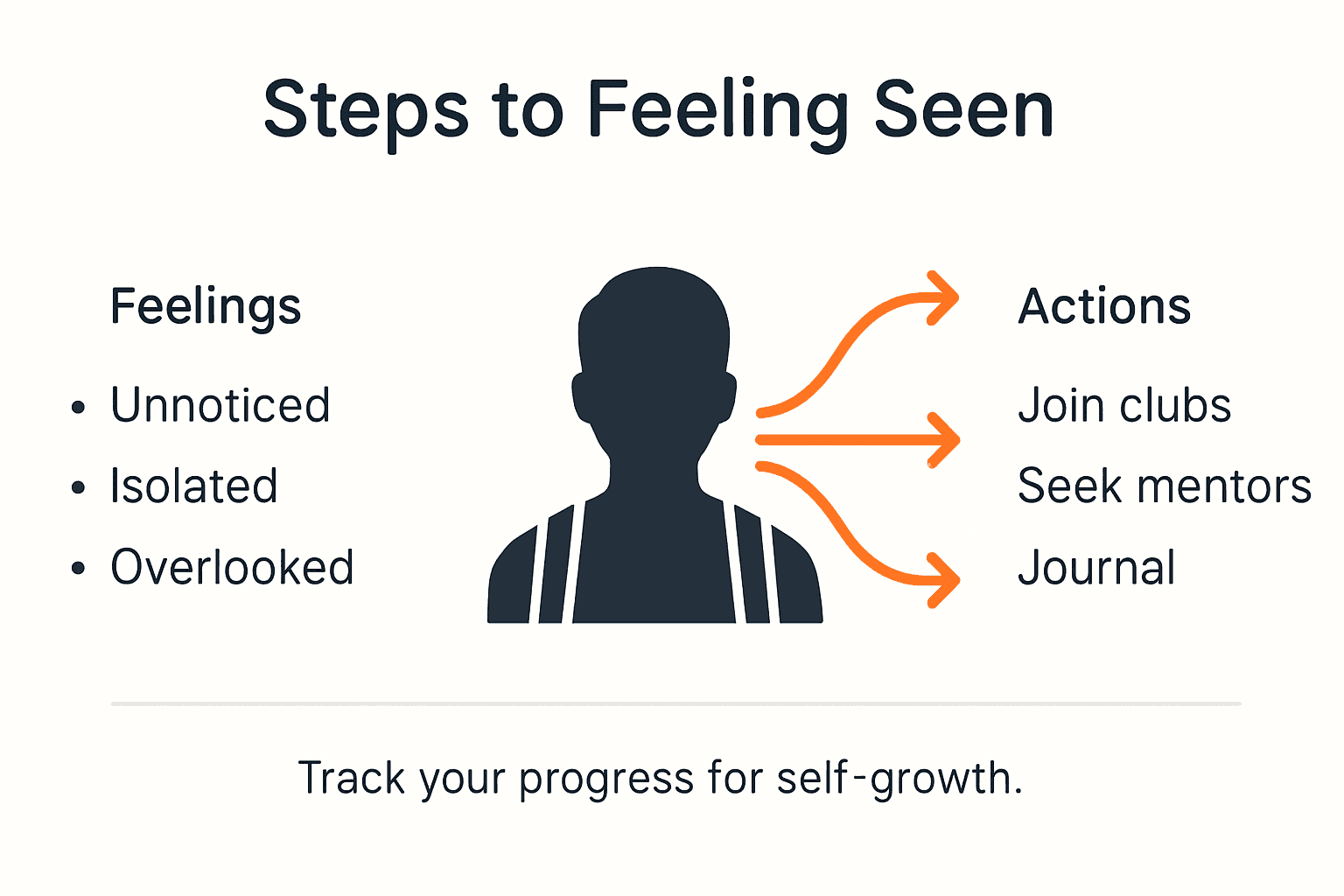
Recognizing the signs of feeling unseen involves understanding both external behaviors and internal emotional experiences. Emotional withdrawal becomes a primary indicator, where students gradually disconnect from social interactions and classroom engagement. Comprehensive studies on teen emotional neglect highlight several critical manifestations:
- Persistent low self-esteem and self-doubt
- Reluctance to participate in class discussions
- Minimal social interactions with peers
- Decreased academic motivation
- Heightened anxiety in social settings
- Frequent feelings of loneliness and isolation
The long-term effects of feeling unseen can be particularly devastating. Students who consistently experience emotional invisibility may develop complex psychological challenges that extend far beyond their school years. These impacts include difficulty forming meaningful relationships, reduced confidence in personal abilities, increased vulnerability to mental health issues, and a diminished sense of personal worth and potential.
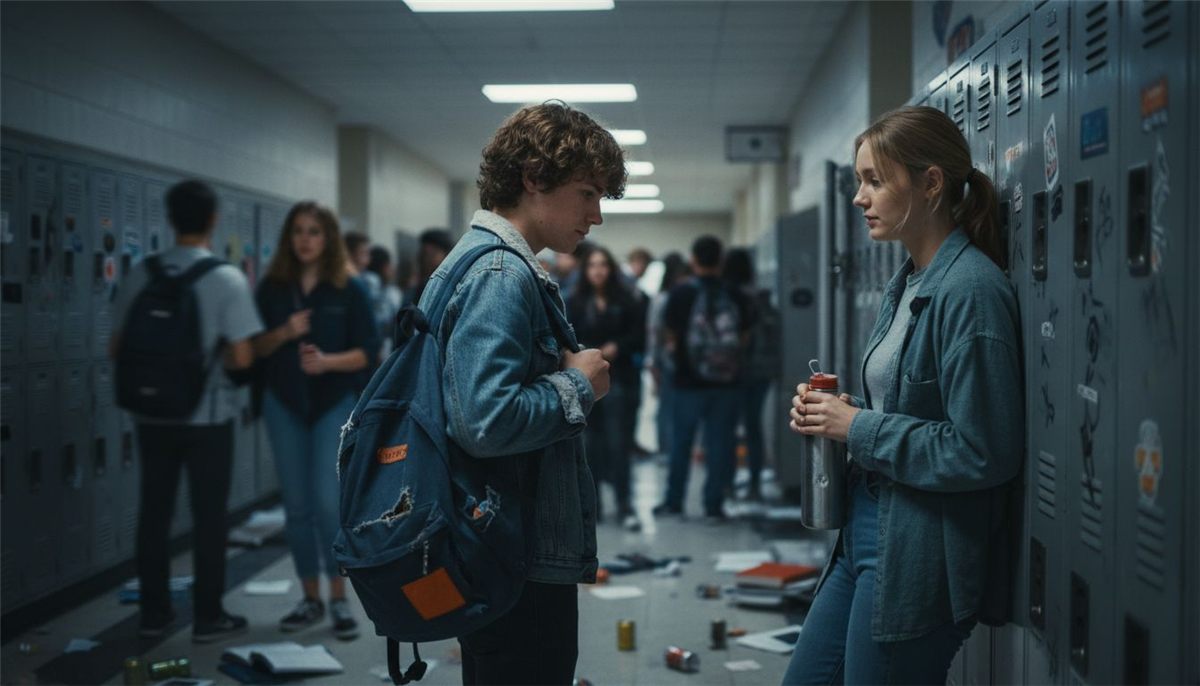
Pro tip: Keep a personal journal documenting your feelings and experiences to help identify patterns of invisibility and develop strategies for increasing your social visibility and self-advocacy.
Proven Strategies to Strengthen Connections
Educational research on student engagement demonstrates that feeling connected at school isn’t just a nice idea – it’s a critical factor in academic success and personal well-being. Building meaningful connections requires intentional effort and strategic approaches that go beyond simple social interactions.
Successful connection strategies involve multiple dimensions of school life. Interpersonal engagement becomes key, where students actively seek opportunities to create genuine relationships. Personalized interaction techniques suggest several practical approaches for strengthening social connections:
- Join extracurricular activities aligned with your interests
- Participate in classroom discussions authentically
- Practice active listening during peer interactions
- Volunteer for group projects and collaborative assignments
- Attend school events and social gatherings
- Develop communication skills through consistent practice
Moreover, building connections isn’t just about quantity but quality. Students should focus on creating meaningful interactions that reflect their authentic selves. This means being genuine, showing curiosity about others, and developing empathy. By approaching social connections as opportunities for mutual understanding rather than superficial networking, students can create deeper, more supportive relationships that transcend typical school social dynamics.
Compare personal versus group strategies for increasing social visibility:
| Approach Type | Examples | Potential Benefits |
|---|---|---|
| Personal | Journaling, practicing self-advocacy | Builds self-awareness, boosts confidence |
| Group | Joining clubs, participating in projects | Expands social circle, encourages teamwork |
Pro tip: Set a weekly goal of initiating one meaningful conversation with someone outside your immediate social circle, focusing on genuine curiosity and active listening.
Finding Trusted Adults and Support Systems
Research on student resilience reveals that having at least one trusted adult can fundamentally transform a student’s school experience. These crucial relationships are not just comforting – they’re transformative mechanisms for emotional support, academic guidance, and personal development.
Identifying potential trusted adults requires understanding the different types of supportive relationships available within a school environment. Mentorship connections can emerge from various professional roles, each offering unique perspectives and support. Studies on student support systems suggest several potential sources of meaningful adult connections:
- School counselors specializing in student support
- Teachers who show genuine interest in students’ lives
- Librarians and academic support staff
- School social workers
- Athletic coaches
- Club advisors and extracurricular mentors
- Administrative staff members who demonstrate empathy
Building these relationships requires intentional effort and vulnerability. Students should approach potential mentors with openness, demonstrating genuine interest and respect. This means being authentic, asking thoughtful questions, showing appreciation for their time, and creating opportunities for meaningful interactions beyond standard academic exchanges. Trust develops through consistent, sincere communication and mutual respect.
Pro tip: Schedule a brief, informal meeting with a potential mentor, preparing 2-3 genuine questions that show your interest in their perspective and guidance.
Mistakes to Avoid When Seeking Acceptance
Seeking acceptance is a delicate social dance that requires emotional intelligence and self-awareness. Many students inadvertently sabotage their own efforts by approaching social connections with misguided strategies that push people away instead of drawing them closer. Understanding these potential pitfalls can help you navigate social dynamics more effectively.
The most common mistakes in seeking acceptance often stem from desperation dynamics. These counterproductive approaches typically include behaviors that make others feel uncomfortable or demonstrate a lack of genuine self-confidence:
- Trying too hard to please everyone
- Completely changing your personality to fit in
- Oversharing personal information too quickly
- Constantly seeking validation from others
- Apologizing excessively for your existence
- Tolerating disrespectful treatment to maintain connections
- Compromising your personal boundaries
Successful social integration requires authenticity and mutual respect. Students should focus on developing genuine connections by being true to themselves, showing genuine interest in others, and maintaining healthy personal boundaries. This means understanding that acceptance isn’t about becoming someone else, but about finding people who appreciate your authentic self. Quality connections emerge when you present a consistent, confident version of yourself without performing or pretending.
Pro tip: Practice self-acceptance first by acknowledging your unique qualities and understanding that not everyone will like you – and that’s perfectly okay.
Take Control of Feeling Seen and Connected at School
Feeling invisible at school causes deep emotional challenges like low self-esteem and social withdrawal. This article highlighted how important genuine connections and trusted adults are to overcome these struggles and build confidence. If you want to break free from feeling overlooked and create meaningful relationships, strengthening skills like self-advocacy and time management can make a real difference.
Discover proven strategies to boost your social visibility and boost your academic success. Here you will find practical tools for mastering productivity, managing your routine, and maintaining a balanced lifestyle tailored for high school and college students. Start taking steps today to feel valued and empowered with helpful resources made just for learners like you.
Ready to transform your school experience and belong authentically? Explore tips and techniques now and give yourself the support you deserve.
Frequently Asked Questions
What does it mean to feel invisible at school?
Feeling invisible at school refers to the emotional experience of feeling unnoticed, unheard, and overlooked by peers and teachers, leading to social disconnection and potential mental health challenges.
What are some signs that a student may feel unseen?
Signs include persistent low self-esteem, reluctance to participate in class, minimal social interactions with peers, decreased academic motivation, and heightened anxiety in social settings.
How can students improve their social visibility at school?
Students can improve their social visibility by joining extracurricular activities, participating actively in classroom discussions, volunteering for group projects, and initiating small social interactions with peers.
Why is having a trusted adult important for students?
Having a trusted adult in a school setting can provide essential emotional support, academic guidance, and foster personal development, significantly enhancing a student’s overall school experience.
Recommended
- How to Embrace Your Introversion—Powerful Benefits of Being an Introvert
- Why Junior Year is Not Too Late to Start Extracurriculars
- 10 Unique College Essay Ideas to Stand Out in Applications
- Ultimate College Application Planner + 14 Must-Do Tasks
Want a head start? The Building Self-Confidence workbook in my shop was made for exactly this — it’ll save you a ton of time.