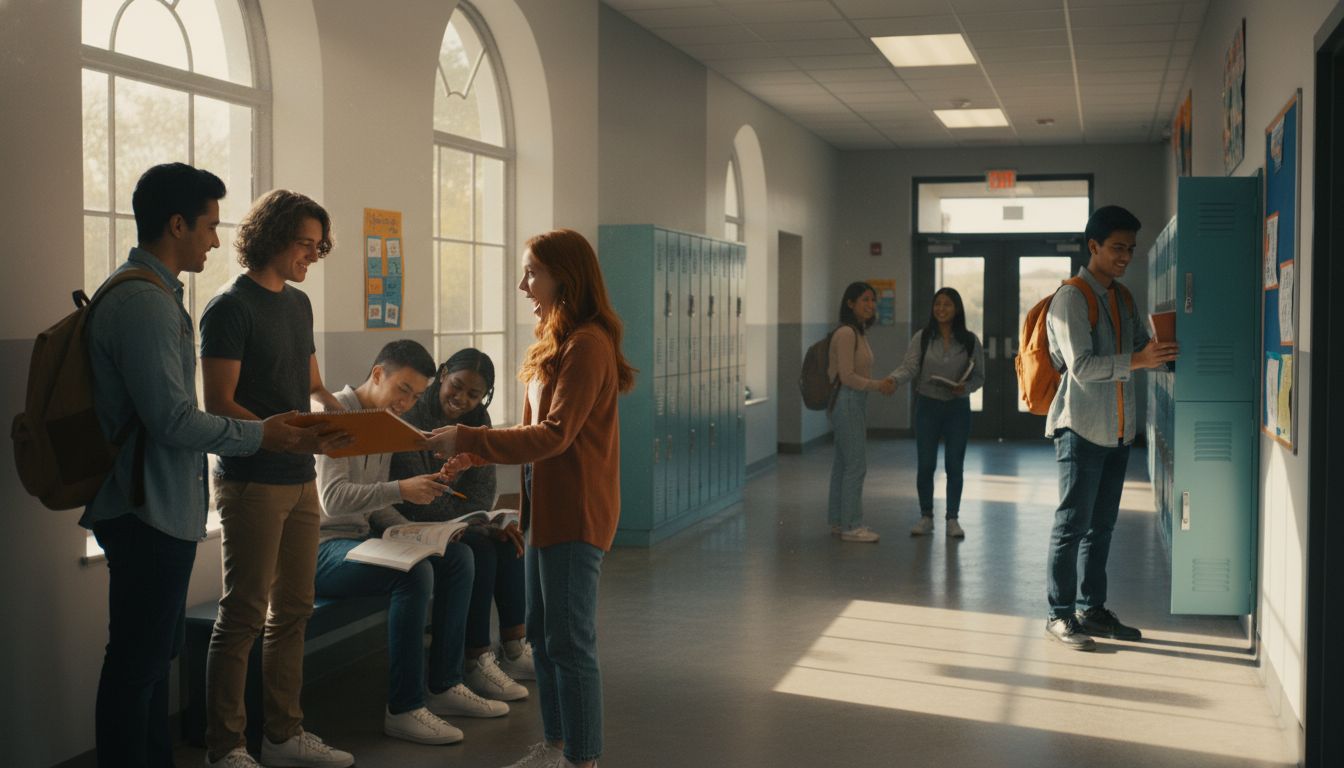
7 Practical Random Acts of Kindness for High School Students
Did you know that students who receive acts of kindness are over 60 percent more likely to feel connected and confident at school? Small gestures, like sharing a pencil or listening when someone feels stressed, can completely shift the mood of an entire classroom. Focusing on kindness and support helps build a stronger community where students lift each other up. Discover how simple actions can create a welcoming school environment where everyone feels valued.
Quick Summary

| Takeaway | Explanation |
|---|---|
| 1. Give Genuine Compliments | Affirmations boost confidence and foster a supportive environment. Recognize specific efforts to show appreciation effectively. |
| 2. Offer Academic Support | Sharing knowledge helps others and reinforces your own understanding. Form study groups or assist struggling classmates meaningfully. |
| 3. Share Extra Supplies | Providing school supplies to classmates in need promotes community and care. Small gestures can significantly enhance someone’s day. |
| 4. Write Thank-You Notes | Expressing gratitude to teachers acknowledges their hard work. Specific notes can brighten their day and strengthen community ties. |
| 5. Include New Students | Inviting newcomers at lunch or activities fosters inclusive environments. Simple acts can make them feel welcomed and part of the community. |
1. Compliment a Classmate to Build Confidence
Have you ever experienced how a simple kind word can totally transform someone’s day? Giving genuine compliments is an awesome way to spread positivity and make your school a friendlier place.
According to research from the Boys & Girls Clubs of America, encouraging students to compliment their peers can significantly boost confidence and create a more supportive school environment. Positive affirmations have real power. When you take a moment to recognize something awesome about another student, you’re doing way more than just being nice.
Here are some ways to give meaningful compliments:
- Notice specific skills or efforts, not just appearances
- Be genuine and sincere
- Focus on things that truly matter like hard work or creativity
Try saying things like “Wow, you explained that math problem really clearly” or “I noticed how much effort you put into that art project.” These specific compliments show you’re paying attention and truly appreciate your classmates.
The beauty of compliments is they’re totally free. One kind sentence can make someone feel seen, valued, and more confident. By making this a regular habit, you help create a school culture where people lift each other up instead of tearing each other down. Small words can create big changes.
2. Offer to Help With Homework or Study Sessions
Knowledge becomes even more powerful when you share it. Offering to help a classmate with challenging homework or studying can transform your school experience from just getting by to truly supporting each other.
Research from the Boys & Girls Clubs of America highlights that students who excel in certain subjects can create a supportive learning environment by assisting classmates who need extra help. This isn’t just about academic performance. It is about building connections and creating a classroom community where everyone feels supported.
Here are smart ways to offer academic help:
- Approach classmates who seem struggling in subjects you understand well
- Create study groups where everyone contributes their strengths
- Be patient and explain concepts clearly, not condescendingly
Maybe you rock at math but your friend is struggling with algebra. Or perhaps you have awesome study strategies that could help someone feeling overwhelmed. Sharing your knowledge doesn’t mean doing someone’s work for them. It means teaching them how to understand and solve problems independently.
The cool part? Helping others actually helps you too. When you explain a concept, you reinforce your own understanding. Plus, according to research from UC Berkeley, engaging in acts of kindness like peer tutoring can boost your own happiness and create a more positive classroom atmosphere. Win win.
3. Share Extra Supplies With Peers in Need
Ever notice a classmate without a pencil or struggling to find notebook paper? Sharing your extra school supplies is a super simple way to make someone’s day and show you care.
According to the Random Acts of Kindness Foundation’s “Kindness in the Classroom” curriculum, sharing resources is about more than just giving something physical. It is about building a supportive school community where students look out for each other.
Here are smart ways to share supplies:
- Keep a few extra pencils or pens in your backpack
- Offer paper or highlighters to classmates who forgot theirs
- Bring extra supplies to class specifically to help others
Imagine being stuck in class without a working pen during an important assignment. Now imagine someone quietly sliding a fresh pen your way. That small gesture can mean everything. Research from UC Berkeley suggests these acts of kindness boost not just the receiver’s mood but also the giver’s sense of well being.
The best part? School supplies are cheap and the impact is huge. A single pen or sheet of paper can help a classmate feel supported and prevent them from falling behind. Your small act of generosity could be exactly what someone needs to get through their school day feeling seen and cared for.
4. Write Thank-You Notes to Teachers and Staff
Teachers work super hard to help you learn and grow. Writing a heartfelt thank you note can brighten their entire day and show genuine appreciation for their incredible efforts.
Research from UC Berkeley highlights that expressing gratitude through meaningful acknowledgment can strengthen school communities and promote empathy. Most teachers spend countless hours preparing lessons, grading assignments, and supporting students way beyond classroom hours.
Here are tips for writing awesome thank you notes:
- Be specific about what you appreciate
- Share a concrete example of how they helped you
- Write neatly and use your own authentic voice
- Handwrite the note for a personal touch
Maybe a math teacher helped you understand a tricky concept. Or a counselor gave you amazing advice during a tough time. A sincere note recognizing their specific impact can mean more than you realize. Imagine how awesome it feels to know you made a difference in someone’s life.
Don’t overthink it. Your note doesn’t need to be long or perfect. Just honest. Teachers rarely receive recognition for their hard work. Your simple act of gratitude could be the bright spot in their entire week. Taking five minutes to say thanks can create a ripple effect of positivity throughout your entire school community.
5. Include Someone New at Lunch or in Activities
Remember how nerve-wracking it was being the new kid? Making someone feel welcome can totally transform their school experience and help them feel like they belong.
According to the Random Acts of Kindness curriculum, creating an inclusive environment is about more than just being polite. It is about building genuine connections and supporting classmates who might feel isolated or uncertain.
Here are ways to include someone new:
- Invite a new student to sit with you at lunch
- Ask them about their interests and listen genuinely
- Include them in group activities or study groups
- Introduce them to your friends
Imagine walking into a new school where everything feels unfamiliar. A simple invitation to join a table or participate in a club can make an enormous difference. Research from UC Berkeley suggests that these small acts of kindness not only help the person feeling excluded but also boost the social and emotional well being of the person extending kindness.
You do not need to become best friends. Just showing that you see them and are willing to make space can help a new student feel more comfortable. Your one kind gesture could be the thing that helps them start feeling at home in their new school community.
6. Organize a Group Clean-Up at School
What if you could make your school look awesome while bringing everyone together? Organizing a group clean-up is an incredible way to show school pride and create community spirit.
Research from the Boys & Girls Clubs of America shows that collective responsibility can transform school environments. When students work together to improve their shared spaces, they develop a sense of ownership and pride that goes way beyond just picking up trash.
Here are steps to plan an awesome school clean-up:
- Talk to student council or school administration about your idea
- Create teams with specific zone responsibilities
- Bring gloves, trash bags, and recycling containers
- Make it fun with music or group challenges
Imagine turning a boring afternoon into a team building experience that actually makes a difference. You are not just cleaning. You are creating a cleaner more beautiful learning environment for everyone. According to research from UC Berkeley, these group acts of kindness strengthen social connections and make everyone feel more positive about their school community.
The best part? Your efforts create real change. A cleaner school means a better learning environment for everyone. Plus you get to hang out with classmates doing something meaningful. Who knew cleaning could be so awesome?
7. Support a Classmate During Stressful Times
High school can feel like an emotional rollercoaster. When you notice a classmate struggling, your support can make an incredible difference in their life.
Research from the University of British Columbia reveals that social emotional support plays a crucial role in student well being. When you reach out during someone’s tough moments, you are doing way more than just being nice. You are helping build resilience and showing genuine human connection.
Here are compassionate ways to support stressed classmates:
- Listen without judgment
- Offer help with assignments or study materials
- Check in with them periodically
- Suggest talking to a school counselor if needed
Maybe you notice someone looking overwhelmed before a big exam. Or perhaps a classmate seems quieter than usual after a personal challenge. Your small gesture of kindness could be exactly what they need to feel less alone. According to research from UC Berkeley, these acts of peer support not only help the person receiving support but also strengthen the entire school community.
Remember that supporting someone does not mean fixing all their problems. Sometimes just being present and showing you care is enough. Your empathy can create a ripple effect of kindness that transforms how students treat each other during challenging times.
Below is a comprehensive table summarizing the main strategies discussed throughout the article to build a supportive and positive school environment.
| Strategy | Implementation | Expected Results |
|---|---|---|
| Compliment a Classmate | Be genuine, notice specific efforts, focus on meaningful achievements | Boosted confidence, positive school culture |
| Offer Homework Help | Approach peers, create study groups, be patient and clear | Supportive learning environment, mutual understanding |
| Share Extra Supplies | Keep extras on hand, offer when needed | Supports classmates, builds community |
| Write Thank-You Notes | Be specific about appreciation, handwrite notes | Strengthened empathy, positive relationship with teachers and staff |
| Include Someone New | Invite to lunch, involve in activities, introduce them to others | Inclusive environment, reduced feelings of isolation |
| Organize a Group Clean-Up | Plan with teams, bring supplies, make it social | Enhanced school pride, cleaner learning spaces |
| Support During Stressful Times | Listen, offer help, suggest counseling if needed | Improved resilience, emotional support for classmates |
Boost Your High School Experience with Kindness and Smart Strategies
Helping classmates and building a supportive community is a powerful way to enhance your high school journey. This article highlights key acts of kindness like offering homework help, sharing supplies, and welcoming new students—each fostering confidence and connection. But to truly maximize your impact and personal growth, pairing kindness with effective study habits and time management is essential.
Explore tailored tips for high school success in our High School – Learning With Angie category where you can find strategies that complement your goals of creating a positive school culture and staying organized. Whether you want to improve your productivity or balance your social life with academics, our resources help you build the skills you need to thrive now. Start making intentional changes today by visiting Learning With Angie and discover practical tools designed for students like you eager to lead with kindness and excel in school.
Frequently Asked Questions
How can I compliment a classmate meaningfully?
To give a meaningful compliment, focus on specific skills or efforts, not just appearances. For example, say something like, “You did a great job explaining that math problem” to show you appreciate their hard work and clarity.
What are effective ways to offer homework help to classmates?
Approach classmates who seem to struggle in subjects you understand well and offer to create study groups. This can foster teamwork and ensure everyone learns together, boosting your own understanding in the process.
How do I share school supplies with classmates in need?
Keep a few extra supplies like pencils or paper in your backpack and be proactive in offering them when you notice someone without. A simple gesture, such as handing over an extra pen, can have a big impact on a classmate’s day.
What should I include in a thank-you note to a teacher?
Make your thank-you note specific by mentioning how a teacher helped you with a particular problem or lesson. A heartfelt note can brighten their day and only takes a few minutes to write.
How can I include new students in lunch or activities?
A great way to include new students is by inviting them to join you at lunch or in activities. Taking the initiative to ask about their interests and introducing them to your friends can help them feel welcome and part of the school community.
What steps can I take to organize a group clean-up at school?
Start by discussing your clean-up idea with student council or school administration. Then, gather volunteers, assign zone responsibilities, and provide needed supplies like gloves and trash bags, making it a fun team-building experience.