
Finding Their Spark: Nurturing Middle School Interests
Every American parent faces the challenge of guiding their middle schooler as they navigate the world of activities beyond the classroom. Finding the right extracurricular interests can spark confidence, strengthen social skills, and lay the groundwork for academic success. By supporting your child’s participation in extracurricular activities that enhance student engagement, you help them develop real-world skills and discover passions while maintaining a healthy balance with schoolwork.
Key Takeaways
| Point | Details |
|---|---|
| Extracurricular Activities are Essential | They provide opportunities for personal growth, social skills development, and can enhance academic performance. |
| Variety of Options Available | Students can explore interests through sports, arts, academics, and community service, helping them discover their passions. |
| Importance of Balance | Managing extracurricular activities alongside academics is crucial for well-being; time management and prioritization are key skills. |
| Preventing Burnout | Recognizing stress and fostering emotional health can help avoid burnout; supportive environments are vital for developing resilience. |
Extracurricular Activities and Hobbies Defined
Middle school marks an exciting time when you start exploring interests beyond traditional classroom learning. Extracurricular activities are voluntary experiences that happen outside your regular academic schedule, offering incredible opportunities for personal growth and skill development. Voluntary activities that enhance student engagement can transform how you learn and interact with the world around you.
These activities come in many exciting forms, ranging from sports teams and music groups to academic clubs and community service projects. They provide safe spaces where you can:
- Develop social skills
- Build confidence
- Explore personal passions
- Create meaningful friendships
- Learn teamwork and collaboration
Participation in these activities isn’t just fun – it’s strategically important. Extracurricular experiences correlate with enhanced academic performance and can help you stand out when applying to high schools or future educational programs. They offer real-world skill application that goes far beyond traditional classroom learning.
By engaging in activities you genuinely enjoy, you’re not just filling time – you’re discovering who you are and what makes you unique. Whether you’re passionate about robotics, theater, sports, or community service, there’s an extracurricular world waiting to be explored.
Pro tip: Ask your school counselor about the variety of clubs and activities available, and don’t be afraid to try something completely new and unexpected.
Popular Types of Middle School Activities
Middle school offers an incredible playground of opportunities for exploring different interests and discovering hidden talents. Middle school extracurricular options span multiple categories, allowing students to find activities that match their unique personalities and passions.
The most popular extracurricular categories include:
-
Sports and Athletics
- Team sports like soccer, basketball, volleyball
- Individual sports such as swimming, tennis, track and field
- Martial arts and dance classes
-
Arts and Creative Pursuits
- Visual arts (drawing, painting, sculpture)
- Musical programs (band, orchestra, choir)
- Theater and drama clubs
- Photography and digital media
-
Academic and Intellectual Clubs
- Science and robotics clubs
- Math competitions
- Debate and public speaking teams
- Foreign language clubs
-
Community and Service Activities
- Student government
- Environmental conservation groups
- Volunteer programs
- Peer mentoring
Electives provide opportunities for skill development across various disciplines. Each activity offers unique benefits, helping students build confidence, discover interests, and develop crucial social and technical skills. Whether you’re an introvert who loves quiet art classes or an extrovert who thrives in team sports, there’s an activity perfect for your personality.
Here’s a comparison of the main extracurricular categories and the unique benefits they offer:
| Activity Type | Core Benefits | Ideal For |
|---|---|---|
| Sports and Athletics | Fitness, teamwork, leadership | Students who enjoy competition |
| Arts and Creative Pursuits | Self-expression, creativity, confidence | Those drawn to visual or performing arts |
| Academic and Intellectual | Critical thinking, problem-solving, public speaking | Learners who seek challenges |
| Community and Service | Empathy, responsibility, real-world impact | Youth inspired by helping others |
The key is to explore different options and stay open-minded. Some activities might surprise you – what seems boring at first could become a lifelong passion. Don’t be afraid to try something completely new and step out of your comfort zone.
Pro tip: Attend your school’s activity fair and sign up for at least two different types of clubs to maximize your exploration and skill development.
How Interests Shape Academic and Personal Growth
Academic interests are more than just optional pursuits – they’re powerful engines of personal transformation. Academic passion dramatically affects student engagement, creating a dynamic pathway for intellectual and emotional growth during the critical middle school years.
Interests develop through a complex interaction of personal traits and environmental experiences. This means your unique combination of personality, curiosity, and exposure to different activities shapes how you learn and grow. The research suggests that interests are not random but involve:
-
Personal Preferences
- Natural likes and dislikes
- Individual personality traits
- Inherent motivation levels
-
Environmental Influences
- Family encouragement
- School support systems
- Exposure to diverse activities
- Social interactions and peer influences
Interest development connects motivation and self-concept in powerful ways. When you discover an activity that genuinely excites you, something magical happens – you become more engaged, motivated, and willing to invest time and energy into learning. This intrinsic motivation can transform academic performance, turning challenging subjects into exciting opportunities for personal growth.
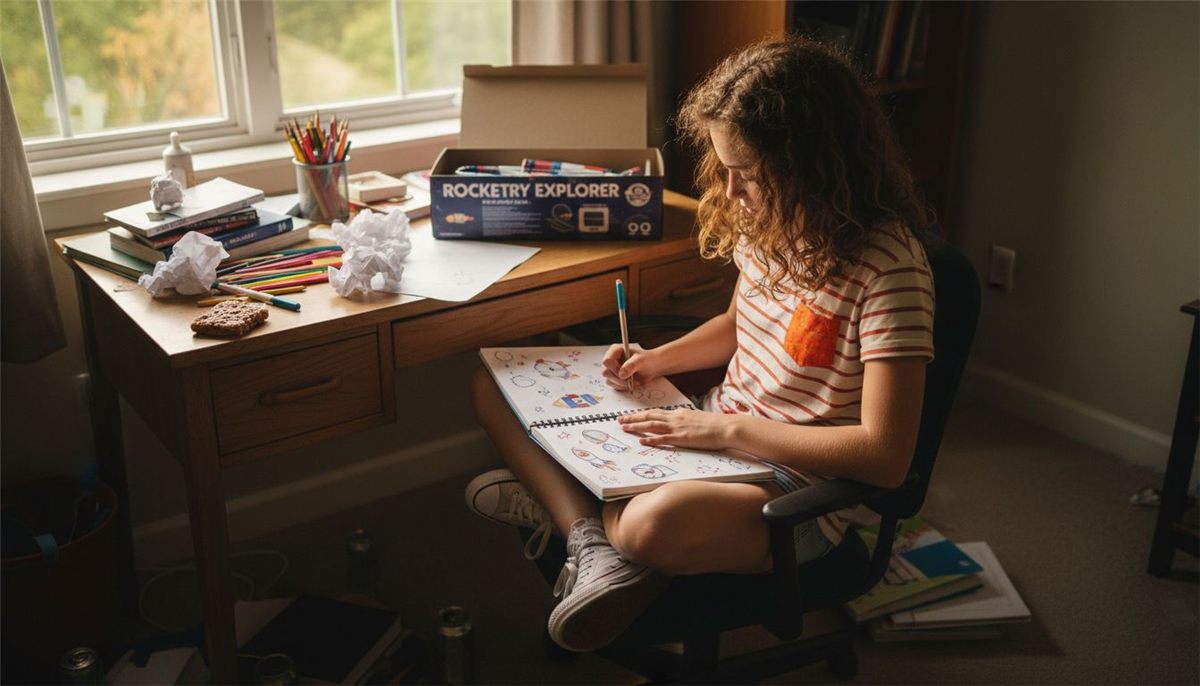
The journey of discovering your interests is unique to you. Some students find their spark in scientific experiments, others in artistic expression, and some in community service. The key is remaining open, curious, and willing to explore different paths. Your interests are not just hobbies – they’re windows into understanding yourself, your potential, and the incredible learning journey ahead.
Pro tip: Keep a journal documenting activities that make you lose track of time – these are often the seeds of your most meaningful interests.
Strategies to Identify Your Child’s Passions
Discovering your middle schooler’s passions requires a delicate balance of observation, encouragement, and strategic exploration. Sharing experiences can spark children’s curiosity, creating meaningful opportunities for connection and personal growth.
Successful passion discovery involves multiple approaches:
-
Observation Strategies
- Watch what captures their attention
- Notice activities where they lose track of time
- Identify topics that generate genuine excitement
- Pay attention to spontaneous questions and interests
-
Active Exploration Methods
- Attend diverse local events together
- Expose them to multiple activity types
- Encourage experimentation without pressure
- Create low-stakes learning environments
-
Conversation Techniques
- Ask open-ended questions about interests
- Listen without judgment
- Validate their curiosity
- Avoid directing their choices
Parents play a crucial role in passion discovery. Instead of pushing specific activities, create an environment of curiosity and support. Your child’s interests might emerge unexpectedly – through a random museum visit, a documentary, or a conversation with a friend. The key is remaining open and attentive.
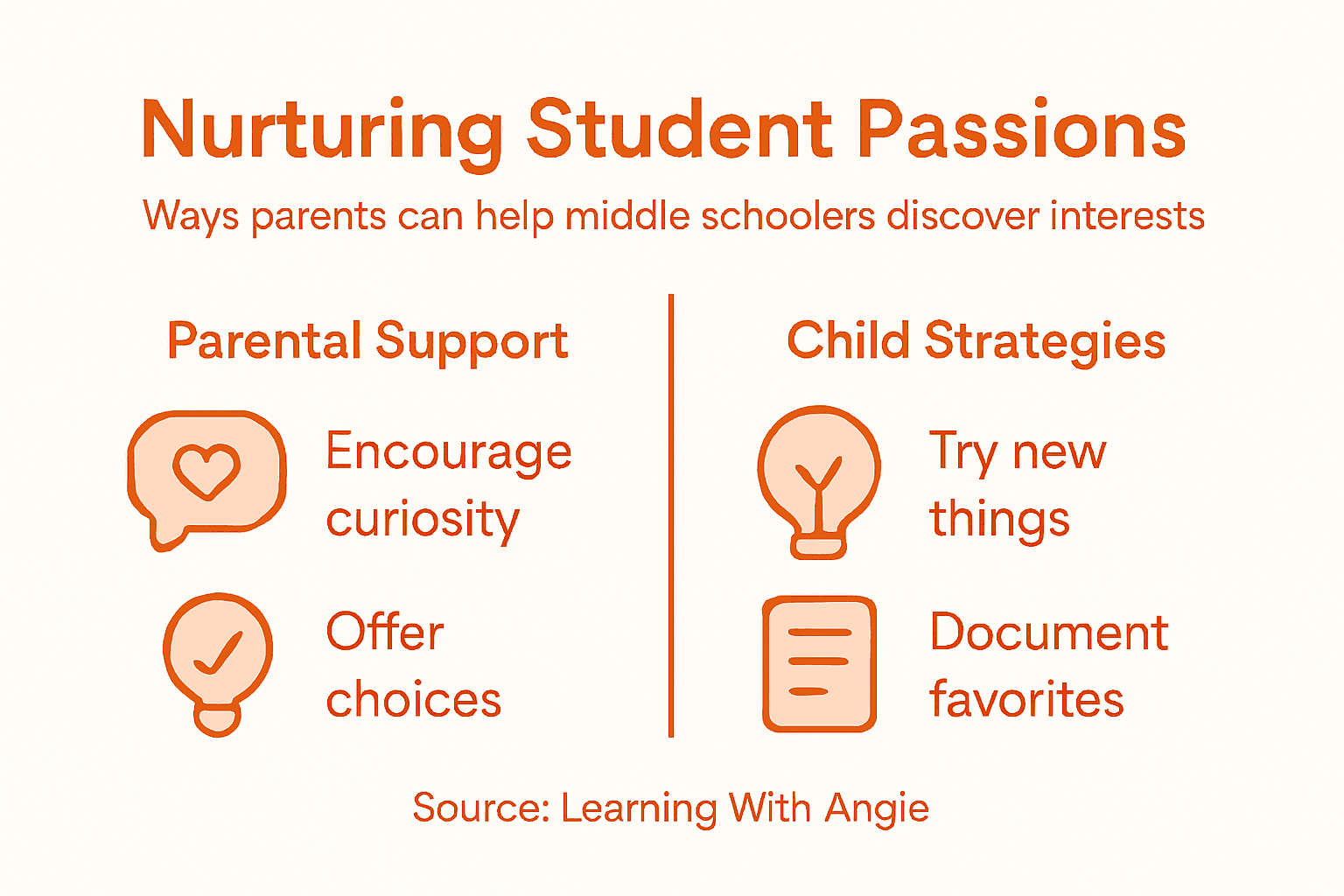
Remember that passions evolve. What fascinates your child today might be different tomorrow, and that’s perfectly normal. Middle school is a time of exploration, self-discovery, and trying multiple paths before finding what truly resonates.
Pro tip: Create a “curiosity board” where your child can pin interesting articles, photos, or ideas that spark their imagination.
Balancing Activities With Academic Demands
Balancing extracurricular activities with academic responsibilities is an art that middle school students are just beginning to master. Effective time management is crucial for student success, requiring strategic planning and self-awareness to maintain both personal growth and academic performance.
Successful balance involves multiple strategic approaches:
-
Prioritization Techniques
- Rank activities by importance
- Identify core academic requirements
- Assess time commitment for each activity
- Create flexible schedules
-
Time Management Strategies
- Use digital calendars
- Set realistic weekly goals
- Block study time consistently
- Learn to say no to overcommitment
-
Energy Management Principles
- Recognize personal energy peaks
- Schedule challenging tasks during high-energy periods
- Take strategic breaks
- Maintain consistent sleep schedule
Self-care practices support academic productivity and prevent burnout. Middle schoolers need to understand that balance isn’t about doing everything, but about doing the right things effectively. This means learning to make intentional choices about how they spend their time and energy.
The table below summarizes strategies for balancing academics and extracurriculars:
| Strategy Type | Main Focus | Key Outcome |
|---|---|---|
| Prioritization | Setting clear goals | Reduced overwhelm |
| Time Management | Organized planning | Increased efficiency |
| Energy Management | Personal well-being | Sustained motivation |
Parents can support this process by helping their children develop organizational skills and maintaining open communication about their commitments. Encourage reflection on what activities truly matter and which ones might be adding unnecessary stress.
Pro tip: Create a weekly “commitment audit” where you review and adjust activities to ensure they align with your academic and personal growth goals.
Avoiding Burnout and Common Pitfalls
Middle school represents a critical time of personal development, where students can easily become overwhelmed by competing demands and expectations. School burnout stems from multiple complex factors, and understanding these challenges is the first step toward maintaining emotional and academic well-being.
Common burnout triggers for middle schoolers include:
-
Academic Pressure
- Unrealistic performance expectations
- Excessive homework loads
- Constant grade competition
- Fear of academic failure
-
Social Challenges
- Complex peer relationships
- Social media comparison
- Emerging identity struggles
- Desire for social acceptance
-
Extracurricular Overload
- Too many structured activities
- Lack of downtime
- Parental push for achievement
- Inability to say no
Recognizing early warning signs is crucial. Symptoms like chronic fatigue, decreased motivation, irritability, and reduced academic performance signal that a student might be approaching burnout. Parents and educators need to create supportive environments that prioritize mental health and realistic expectations.
Successful burnout prevention involves teaching middle schoolers critical skills like emotional regulation, effective communication, and realistic goal-setting. This means helping them understand that their worth isn’t defined by academic achievements or extracurricular success, but by their personal growth and well-being.
Pro tip: Implement a weekly “emotional check-in” where you discuss feelings, challenges, and successes without judgment or criticism.
Empower Your Middle Schooler to Discover Their Passion and Thrive
Helping your middle school student navigate the exciting yet challenging journey of finding their spark requires support that goes beyond just activities. This article highlights key challenges like balancing academic demands, exploring new interests, and avoiding burnout while nurturing intrinsic motivation through academic passion. We understand the struggle of managing time, maintaining productivity, and fostering healthy routines during these critical years.
Unlock practical tools and proven strategies at Learning With Angie to master time management, boost productivity, and build resilience. Your child can learn how to prioritize their commitments effectively and develop a balanced lifestyle that supports both academic growth and personal well-being. Parents can also find guidance to confidently support their students’ evolving interests and academic goals. Start transforming your student’s middle school experience today by exploring resources designed specifically to nurture young learners through this pivotal time.
Frequently Asked Questions
What are extracurricular activities?
Extracurricular activities are voluntary experiences outside of regular academic schedules that provide opportunities for personal growth, skill development, and social engagement. They include sports, arts, academic clubs, and community service projects.
How can I help my middle schooler explore their interests?
Encourage your child to try various activities without pressure. Attend local events together, observe what excites them, and engage in open-ended conversations about their likes and dislikes to help them discover their passions.
What are the benefits of participating in extracurricular activities?
Participation in extracurricular activities can lead to improved academic performance, enhanced social skills, increased confidence, the discovery of personal passions, and the formation of meaningful friendships.
How can my child balance extracurricular activities with schoolwork?
To help your child balance activities with academic responsibilities, prioritize tasks, create a flexible schedule, practice effective time management, and encourage self-care practices to prevent burnout.