Best Places for Homeschool Work: Inspire Productivity
Not every study spot feels inspiring once you’ve tried working there for a full afternoon. For many North American homeschooling high school students, finding a productive homeschool study space means searching beyond the bedroom desk. Learning environments can spark motivation, keep distractions in check, and help you focus longer when they’re intentionally designed for comfort and creativity. With the right setup, your study location becomes a launchpad for curiosity and real achievement.
Key Takeaways
| Point | Details |
|---|---|
| Study Space Design Matters | A productive homeschool study space should be comfortable, adaptable to learning styles, and equipped with necessary tools to minimize distractions. |
| Comparing Locations | Assess the benefits of studying at home versus public locations to find the best fit for your work style and needs. |
| Safety and Privacy | Prioritize safety and privacy in public study environments to enhance focus and comfort. |
| Budget-Friendly Strategies | Utilize free resources such as libraries and online platforms to create an effective learning environment without significant expenditure. |
Defining Productive Homeschool Study Spaces
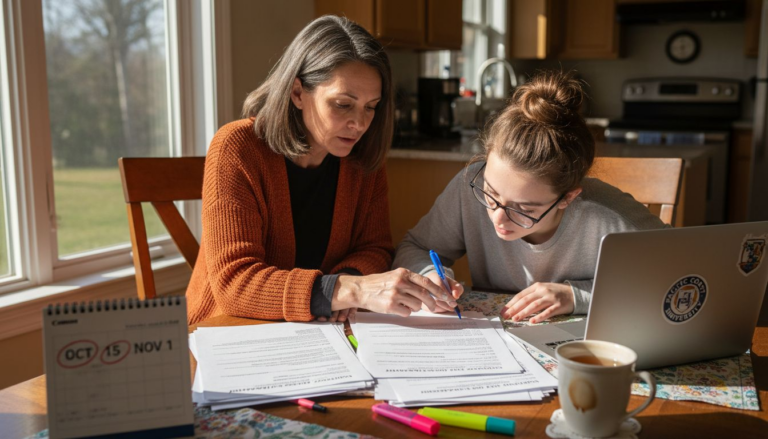
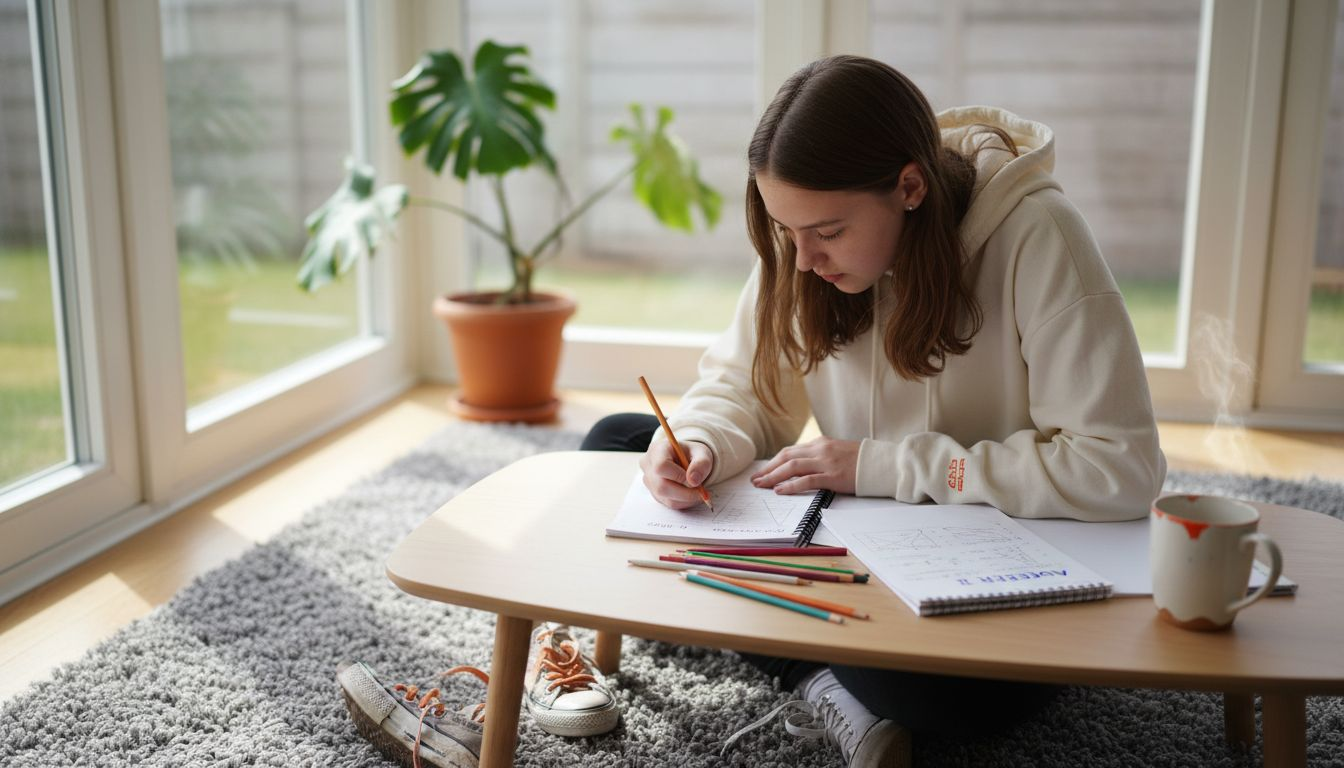
You might think that any quiet corner with a desk is good enough for homeschool work, but that’s not how it actually works. A productive homeschool study space goes way beyond just having a chair and a table. Productive homeschool spaces motivate learners and regulate study habits while creating an environment where you genuinely want to spend time learning. When you’re studying at home, your space becomes your classroom, your library, and your thinking ground all rolled into one. The right setup can transform how you approach your work, whether you’re tackling calculus homework, writing essays, or diving into research projects.
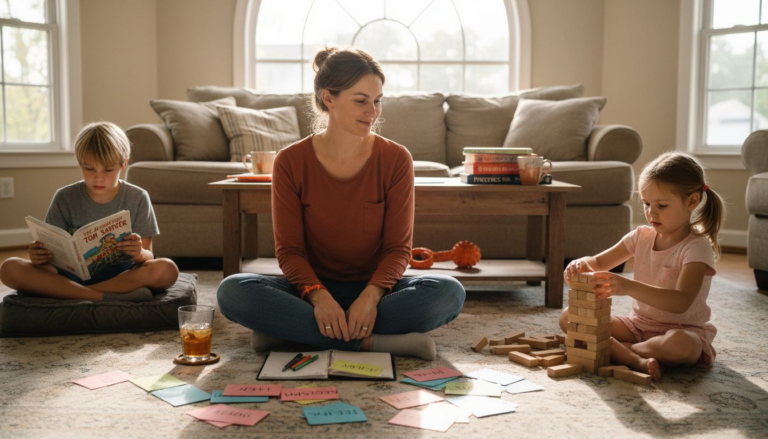
So what actually makes a study space productive for homeschoolers? Researchers have identified some key characteristics that matter. Your space needs to be comfortable enough that you can focus for hours without getting distracted by physical discomfort. It should allow you to be creative, whether that means having room to spread out materials or space for visual brainstorming. The environment should also support parent-child interactions if your parents check in on your work or provide guidance. Beyond the physical setup, designing environments that accommodate learning flexibility and student-centered educational needs means creating a space that adapts to how you actually learn. Maybe you need quiet for focused work one day and background music the next. Maybe you switch between different subjects throughout the day. Your study space should flex with these changing needs instead of fighting against them.
The difference between a mediocre study spot and a truly productive one often comes down to thoughtfulness. A productive space considers your personal learning style, the subjects you’re studying, and the kind of work you’re doing. It’s about having the right tools within reach, adequate lighting that doesn’t strain your eyes, and a setup that keeps you accountable to your own learning goals. When you’re working from home without the structure of a traditional classroom, your study space has to do some of that work for you. It sends signals to your brain that “this is where serious learning happens” and helps you mentally shift into focus mode. Creating this kind of intentional environment isn’t complicated, but it does require you to think about what you actually need to succeed.
Pro tip: Before redesigning your study space, spend one week tracking what distracts you, when you focus best, and what physical setup helps you work longest without getting frustrated—then use those observations to design changes that directly address your specific needs.
Comparing Home Setups With Public Locations
Here’s the real question: is studying at home actually better than hitting up the library or a coffee shop? The answer isn’t as simple as you’d think. Both environments have genuine strengths and real drawbacks. When you’re deciding where to do your homeschool work, you need to understand what each setting actually offers. Your home setup gives you total control over the environment. You can adjust lighting, temperature, and noise levels exactly how you want them. You can study in your pajamas if that helps you focus. You can grab snacks from your kitchen without leaving your study area. But here’s the flip side: home is also where your bed lives, where your favorite shows stream, and where distractions are waiting at every corner. Public locations like libraries and coffee shops offer something different. They provide structured environments with minimal distractions compared to home setups, plus they have built in social pressure that keeps you accountable. When you’re surrounded by other people working, there’s something about that energy that makes it harder to goof off. You’ve got access to resources you might not have at home, like reference materials or faster internet.
The research shows that both environments can work well for learning. Homeschool and public school students show comparable academic performance when their study environments support their individual needs. What matters most is matching the location to the specific work you’re doing and how you personally learn best. If you’re doing deep focus work that requires zero interruptions, your home might be perfect if you can control the distractions. If you’re working on a project that needs resources you don’t have at home, the library becomes your obvious choice. Some students find they need a mix. Maybe you do your reading and research at the library where you can’t get distracted, then head home to complete written assignments in your comfortable setup. The key is being honest about what actually helps you concentrate versus what you’re just telling yourself will work.
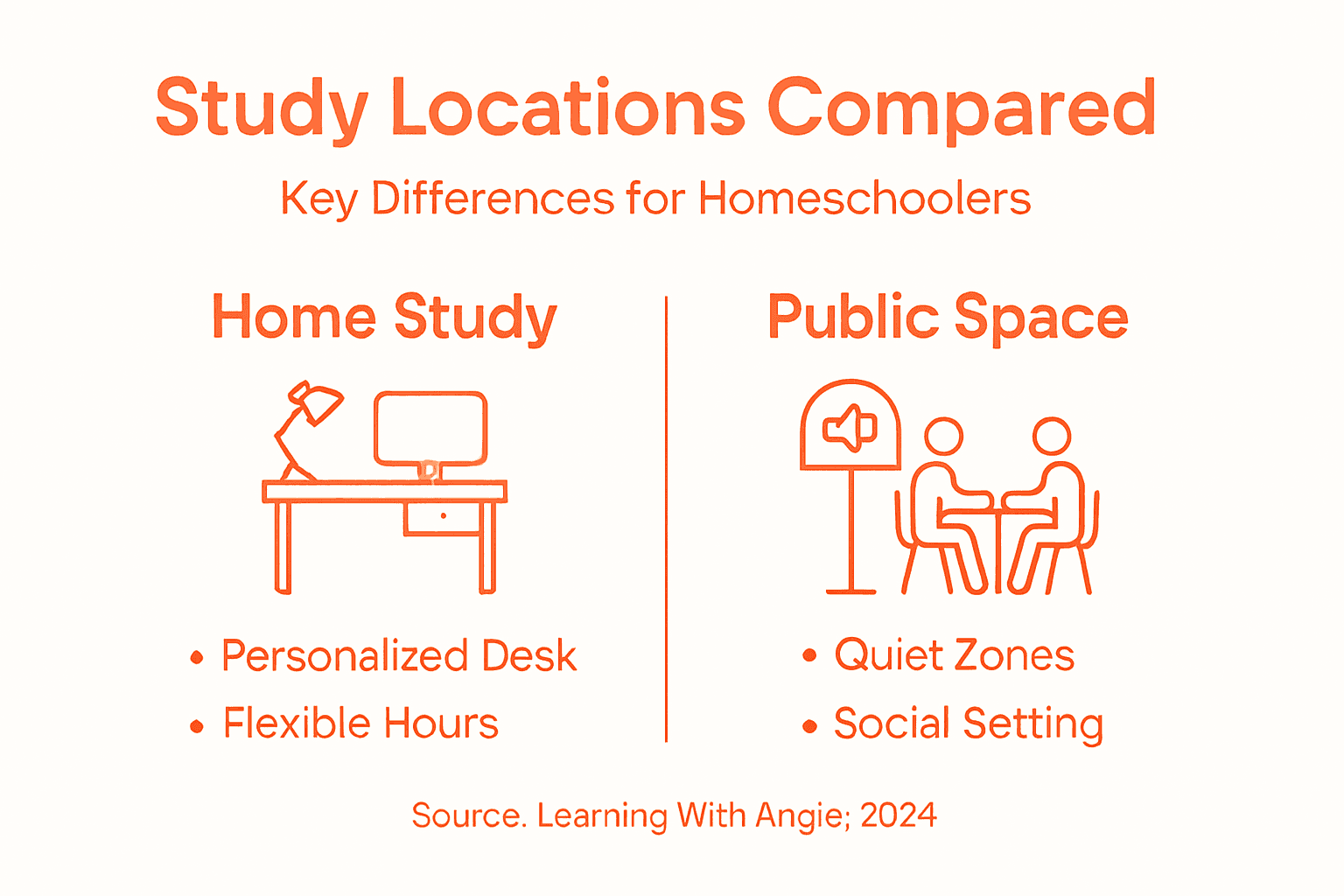
Think about your specific situation. How easily do you get distracted at home? Do you have a dedicated study space, or are you working from your bed or kitchen table? How much background noise helps or hurts your focus? What kind of work are you doing today? Heavy math problems might need a quiet home setup, while group project planning might benefit from the collaborative vibe of a library study area. Don’t feel locked into one choice either. The best homeschoolers mix it up based on what each day demands from them. Some days you’ll be home. Some days you’ll be elsewhere. The flexibility to choose is actually one of your biggest advantages.
Pro tip: Try working in different locations for one full week each and track your actual productivity with a simple 1-10 focus rating, then choose your main study spot based on real data about where you genuinely accomplish the most work.
Here’s how typical homeschooling study locations compare on key features:
| Study Location | Customization Level | Distraction Risk | Resource Availability |
|---|---|---|---|
| Home Study Area | Fully customizable | High if not managed well | Dependent on home resources |
| Library | Limited customization | Low due to quiet rules | Extensive books, computers |
| Coffee Shop | Minimal customization | Moderate, social distractions | Internet, food, open seating |
| Community Center | Some customization | Variable, dependent on events | Varies by facility |
| Outdoor Park | No customization | High due to environment | Limited, mostly fresh air |
Unique Features of Popular Study Environments
Each study location has its own personality, and that personality matters way more than you’d think. Libraries have that quiet energy with built-in accountability. Coffee shops offer ambient noise and a sense of being around other people. Your bedroom gives you comfort and control. But what actually makes these spaces work for learning? The answer lies in understanding what features each environment brings to the table. When you know what makes a space tick, you can choose the right one for the work you’re doing that day. Your home study area gives you flexibility that public spaces simply can’t match. You control when you start, when you take breaks, and what your environment sounds like. You can customize your setup exactly how you need it. You can work late into the night or start early without worrying about closing times. This flexibility matters because effective study environments combine academic rigor with positive emotional and social development, supported by flexible scheduling. When your home setup supports this kind of flexibility, you’re not just studying harder, you’re studying smarter.
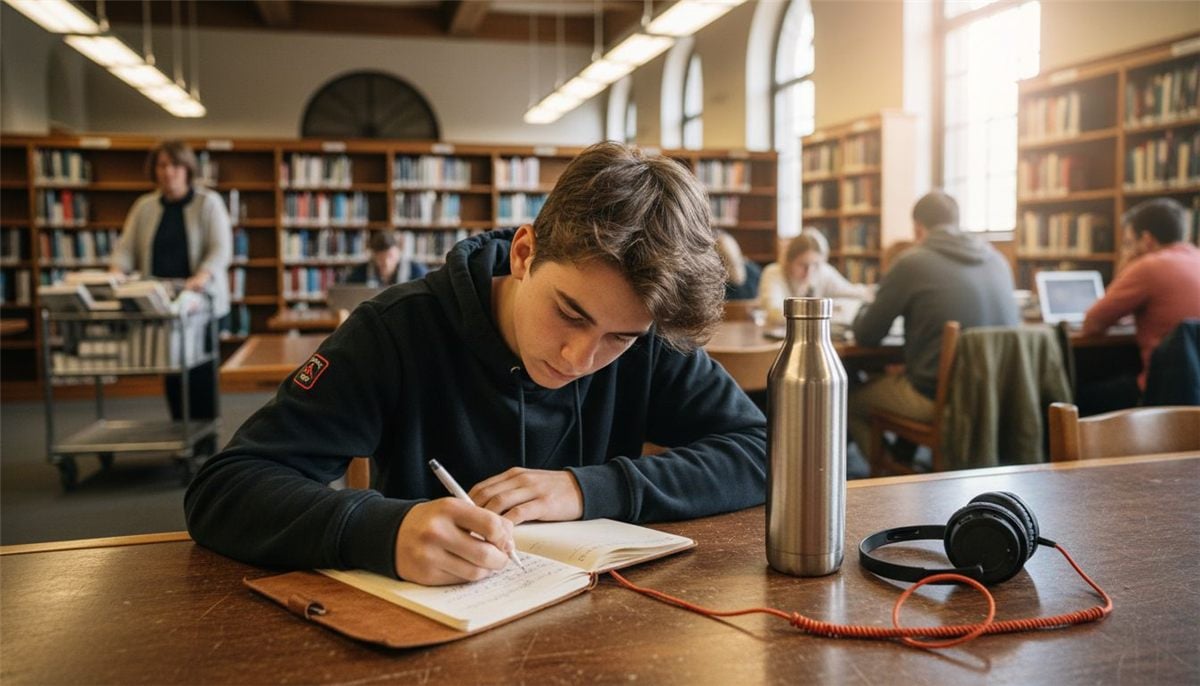
Libraries and cafes offer something totally different. They provide what researchers call “productive pressure.” You’re surrounded by other people working on their own things, which creates this natural accountability. You can’t just waste thirty minutes scrolling through your phone because you’re aware of people around you. Libraries specifically give you access to materials you might not own. They have quiet study areas that are specifically designed for focus. They have tables and chairs meant for working, not lounging. Coffee shops offer a middle ground. They’re less quiet than libraries, but that background noise actually helps some people concentrate. You can grab a drink, sit for hours, and nobody bothers you. The ambient energy of people talking and working keeps you engaged without the rigid silence of a library.
What really sets apart the best study environments is how they support your specific needs. Your home might be perfect if you have a dedicated study space with a good desk and lighting. If your home is chaotic with siblings or roommates constantly interrupting, then a library becomes more appealing. Some students find they thrive with background noise, while others can’t function unless it’s completely silent. Some need the ability to move around and stretch whenever they want. Others prefer to stay planted in one spot for hours. The key is honestly assessing which features matter most to you right now. Think about the specific work you’re doing. Are you writing a paper that requires deep concentration? A quiet home setup or library works best. Are you doing group collaboration? A coffee shop or library with study areas might be better. Are you reviewing notes for an exam? You might not care much about the location as long as you have your materials.
Pro tip: Match your study location to your specific task: use quiet spaces for writing and deep focus work, coffee shops for lighter review sessions, and collaborative spaces when you’re working with others on projects.
Safety, Privacy, and Legal Study Considerations
When you’re studying outside your home, safety isn’t just about physical security. It’s also about protecting your personal information, understanding where you can legally study, and making sure you’re in spaces that respect your privacy. These concerns might not seem fun to think about, but they matter because they affect your ability to focus and feel comfortable while you work. Let’s start with the basics. When you’re in public places like libraries or coffee shops, you’re sharing space with strangers. That means keeping your personal information secure. Don’t leave your laptop unattended, even for a few minutes. Use a privacy screen if you’re working on something sensitive. Be aware of who might be looking over your shoulder when you’re viewing grades, personal notes, or financial information. Public Wi-Fi networks aren’t encrypted, so avoid doing anything that requires passwords or financial information on coffee shop internet. These sound like obvious precautions, but students often get comfortable and forget them. Your study location also needs to follow local rules. Understanding state-specific legal requirements for homeschooling helps ensure compliance with privacy and safety standards in your area. Some libraries have specific rules about studying in particular areas. Some coffee shops have policies about how long you can stay without making a purchase. Schools and universities often have restrictions on who can use their facilities. Always check before you show up to study somewhere new. Respect posted rules, and if you’re unsure, ask staff members. This keeps you out of trouble and shows respect for the spaces you’re using.
Privacy is another piece of this puzzle. When you study in public, you’re giving up some privacy by definition. But you can still protect what matters. Keep your passwords private even from friends who might be studying nearby. Be careful about what you discuss out loud if your work involves sensitive topics. If you’re in a group study session, make sure everyone agrees to keep class materials confidential. At home, privacy works differently. You have the right to a study space where your work stays private. This means your parents shouldn’t randomly read your journals or personal notes without permission, and siblings shouldn’t interrupt constantly. If you don’t have this kind of private space at home, finding an alternative study location might actually improve your productivity and mental health. Safety also means being in environments where you feel protected. This includes physical safety like being in well-lit areas, telling someone where you are, and choosing locations with other people around. It also means emotional safety like being in spaces free from harassment or discrimination. If a study location doesn’t feel safe for any reason, trust that instinct and find somewhere else. Your ability to concentrate depends partly on feeling secure.
The legal side matters too. Homeschooling environments must balance parental rights with children’s rights to safe and robust educational settings. This means your parents need to make sure your study setup meets any state requirements for homeschooling. Some states require documentation of where and how you study. Some have curriculum requirements that affect where you can study effectively. Some require periodic assessments or check-ins. Your parents handle most of this stuff, but it’s good to know these rules exist. They exist partly to make sure you’re getting a quality education and partly to make sure you’re in safe learning environments. If you’re studying in a library or school building, there might be liability questions about who’s responsible if something happens. That’s why rules exist about who can use facilities and when. It’s not bureaucratic nonsense. It’s protection for you and for the institutions hosting you.
Pro tip: Before settling into any new study location, spend five minutes asking yourself three questions: Is this space physically safe? Can I keep my personal information secure here? Are there any rules I need to follow? Then either commit to the location or find somewhere that better checks these boxes.
Budgeting and Maximizing Free Study Spaces
Let’s be real: not every homeschooling family has money to spend on fancy study spaces or premium resources. The good news? You don’t need to. Free study spaces exist everywhere if you know where to look, and you can absolutely create a productive learning environment without spending much at all. Your local library is ground zero for free study resources. Most libraries offer quiet study areas, reliable internet, computers you can use, and books organized by subject. Some libraries have dedicated teen study areas or even quiet rooms you can reserve. All of this costs nothing. Beyond the physical space, libraries often have free access to databases, online learning platforms, and research tools that would cost money if you bought them separately. This alone makes the library an incredible resource for homeschoolers. Coffee shops and cafes are another option if they’re nearby. Many don’t mind if you sit for hours as long as you buy occasional drinks or snacks. Some have loyalty programs that keep costs down. Community centers often have study spaces available to residents for minimal or no cost. Parks with picnic tables or covered shelters work during good weather. Your school district might allow homeschoolers to use certain facilities during off hours. Always ask first, but you’d be surprised what’s available once you inquire.
When it comes to actual curriculum and resources, free and affordable homeschool curriculum options are available through education savings accounts and online resources across North America. This means you don’t need to buy expensive textbooks or programs to get quality education. Khan Academy, library databases, YouTube educational channels, and open source textbooks provide legitimate academic content at zero cost. Many colleges and universities offer free online courses you can audit. Project-based learning using free resources often teaches more than expensive workbooks anyway. Your parents might also qualify for state education funding, tax credits, or homeschool voucher programs depending on where you live. These aren’t always obvious, but they can significantly reduce what your family actually has to spend.
Here’s where budgeting gets strategic. Instead of spending money on fancy desk setups or equipment, focus your budget on things that actually impact learning. A decent desk lamp matters more than a designer chair. A reliable internet connection matters more than premium software. A quiet corner you can control matters more than a trendy study aesthetic. If you need to spend money, spend it on things that directly affect your ability to focus and learn. For everything else, get creative with what you already have. Use natural lighting when possible. Make your own desk organizers from materials around your home. Find free productivity apps instead of paid ones. This isn’t about being poor. It’s about being smart with resources. Over fifty free homeschool curriculum resources exist organized by subject and grade level, which means you have legitimate options that don’t require spending money while still maintaining academic quality. Your productivity doesn’t depend on how much you spent. It depends on how intentionally you set things up.
Here is a summary of resourceful strategies for maximizing free and low-cost study spaces:
| Strategy | Benefit | Example Implementation |
|---|---|---|
| Use public libraries | Free dedicated study zone | Reserve library quiet room |
| Leverage open online tools | Access curriculum at no cost | Use Khan Academy, YouTube |
| Repurpose home materials | Save money on supplies | DIY desk organizer from boxes |
| Seek local community spaces | Expand study location options | Study rooms at civic centers |
| Prioritize internet quality | Supports reliable online learning | Invest in better router/wifi |
Pro tip: Create a free resource inventory by listing every library, cafe, park, and community space within 20 minutes of your home, then test each location for one week to find which free spaces actually boost your focus before committing study time there.
Transform Your Homeschool Study Space for Maximum Productivity
Struggling to find the perfect spot where focus meets comfort for your homeschool work You are not alone The article highlights common challenges such as managing distractions at home, balancing study environment flexibility, and matching spaces to your unique learning style These pain points can leave you feeling frustrated and stuck without a clear path forward
At Learning With Angie, we understand how crucial it is to create a study environment that truly inspires you to learn and stay motivated We offer practical tools and strategies designed to help you master time management, productivity, and studying aesthetics so you can build a workspace that suits your individual needs and maximizes your success Don’t settle for a mediocre study area that holds you back Take control of your learning journey by visiting our store to discover resources that support flexibility and focus tailored to your homeschool life Start transforming your study space now and feel the difference every time you sit down to work!
Frequently Asked Questions
What characteristics make a productive homeschool study space?
A productive homeschool study space should be comfortable, flexible, and conducive to creativity. It needs to accommodate different learning styles, provide access to necessary tools, and allow for effective parent-child interaction.
How can I determine the best study location for my homeschooling?
To find the best study location, consider your personal learning style, the type of work you’re doing, and how easily you get distracted. Experiment with different environments such as home, libraries, and coffee shops for a week and track your focus and productivity.
What are the advantages of studying at home compared to public locations?
Studying at home allows for complete customization of your environment, including lighting and noise levels. However, public locations like libraries offer structured environments with fewer distractions and built-in accountability from other people studying around you.
How can I maximize free or low-cost study spaces for homeschooling?
Maximize free study spaces by utilizing local libraries, community centers, and parks. Also, consider using open online resources for curriculum and repurposing items from home to create an effective study area. Focus on upgrading essential items like lighting and internet quality rather than expensive furniture.