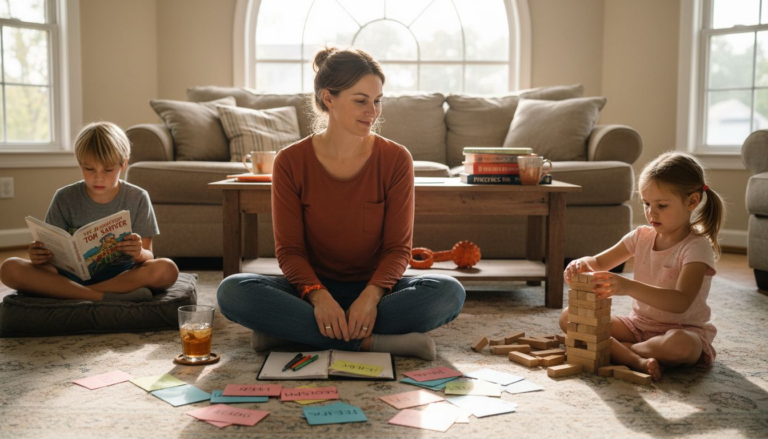
The Art of Letting Go: Raising Independent Kids
Every parent faces the challenge of helping kids grow into confident, independent young adults. The transition from childhood to adolescence is a time filled with questions about how much freedom to give and when to step in with advice. As studies highlight, parenting styles significantly shape emotional growth and decision-making skills during these important years. This guide shares practical, research-backed ways to support your child’s journey toward greater independence and self-assurance.
Key Takeaways
| Point | Details |
|---|---|
| Fostering Independence Gradually | Parental guidance should evolve, allowing for age-appropriate choices and encouraging problem-solving skills. |
| Understanding Parenting Styles | Authoritative parenting is linked to better outcomes, while authoritarian, permissive, and neglectful styles can hinder development. |
| Adjusting Strategies for Different Ages | Parents must adapt their roles from coaches in middle school to supporters in high school and consultants in college. |
| Avoiding Overprotection | Parents should encourage risk-taking and resilience by allowing children to face challenges and learn from mistakes. |
Defining Independence and Parental Roles
Raising independent kids requires understanding how parental guidance evolves throughout childhood. Parenting styles significantly impact child development, creating a framework where children gradually learn self-sufficiency and personal responsibility.
The journey toward independence isn’t about suddenly pushing kids into adult roles, but strategically building skills through supportive interactions. Parents act as coaches, gradually reducing direct intervention while increasing opportunities for autonomous decision-making. This means teaching problem-solving techniques, emotional regulation, and critical thinking skills that prepare kids for real-world challenges.
Key aspects of fostering independence include:
- Allowing age-appropriate choices
- Encouraging calculated risk-taking
- Teaching financial literacy
- Supporting emotional intelligence
- Providing consistent, constructive feedback
Contemporary parental approaches emphasize emotional support while simultaneously preparing children for increasing levels of personal responsibility. This balanced strategy helps kids develop self-confidence and adaptive skills without feeling overwhelmed.
The transition from dependent child to independent young adult is gradual and requires patience. Parents must recognize that independence isn’t about perfection, but about continuous learning and growth.
Pro tip: Start small by giving your child incremental responsibilities that build confidence and competence.
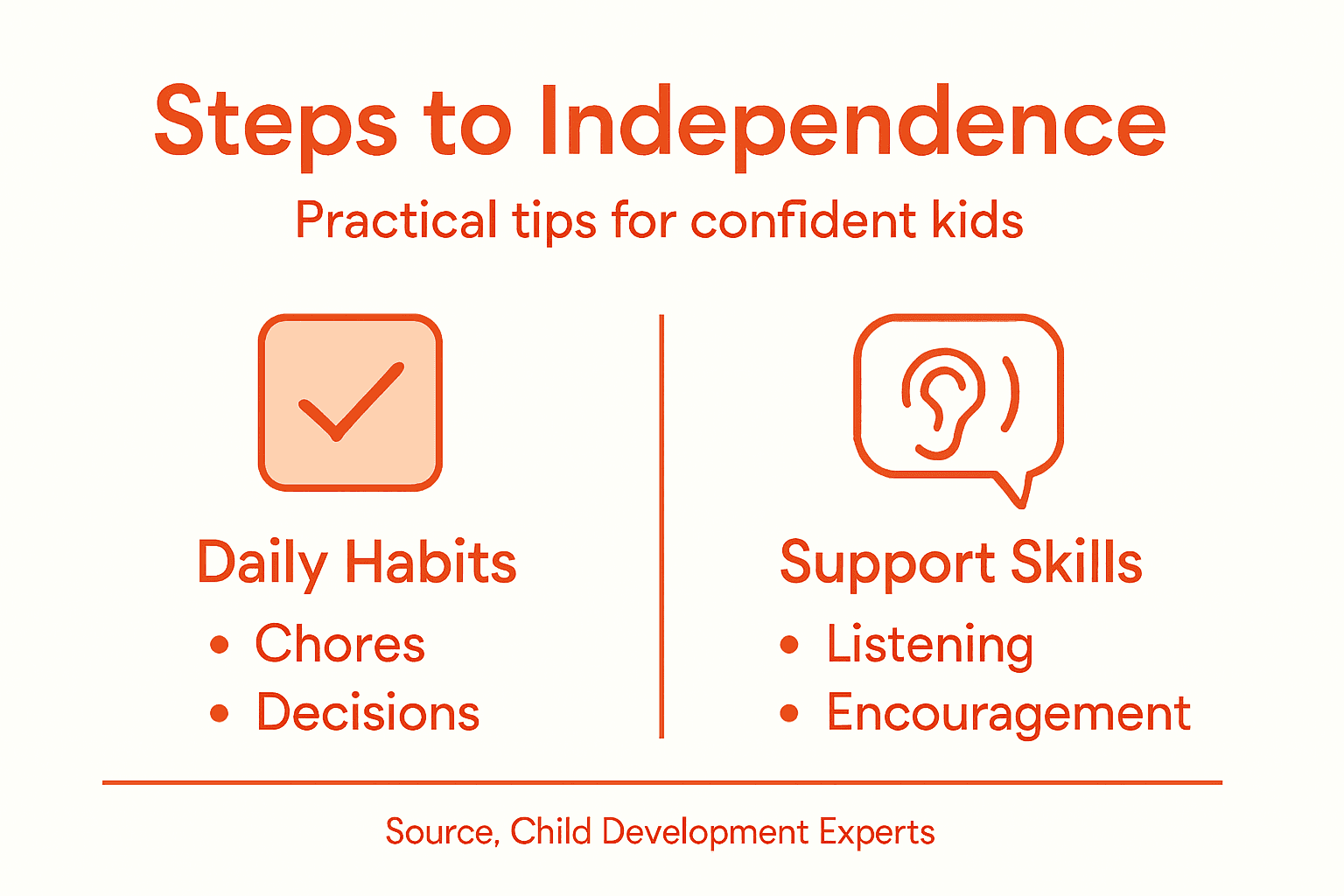
Key Parenting Styles and Their Impact
Comprehensive research on parenting styles reveals four primary approaches that fundamentally shape child development: authoritative, authoritarian, permissive, and neglectful. Each style represents a unique blend of emotional responsiveness and disciplinary expectations that profoundly influence a child’s psychological and social outcomes.
The authoritative parenting style emerges as the gold standard, characterized by high warmth and reasonable expectations. Parents who adopt this approach provide clear guidelines while simultaneously offering emotional support and encouraging open communication. Neurodevelopmental studies consistently demonstrate that children raised with authoritative parenting exhibit:
- Higher self-esteem
- Better academic performance
- Enhanced emotional regulation
- Stronger social competence
- More adaptive problem-solving skills
In contrast, authoritarian parenting emphasizes strict rules and obedience without significant emotional warmth. These parents prioritize discipline and control, often using punishment as a primary motivational tool. Children in these environments typically experience:
- Reduced self-confidence
- Higher anxiety levels
- Limited decision-making skills
- Potential resentment toward authority figures
Permissive parenting represents another distinct approach, where parents are highly responsive but lack consistent discipline. While these parents show abundant love, they struggle to set meaningful boundaries. This can lead to children who are:
- Potentially less self-regulated
- More likely to struggle with impulse control
- Challenged in understanding social boundaries
The final category, neglectful parenting, involves minimal emotional engagement and inconsistent or absent guidance. This style can have the most detrimental long-term psychological consequences, potentially impacting a child’s ability to form healthy relationships and develop critical life skills.
Here’s a quick comparison of the four key parenting styles and their typical long-term outcomes:
| Parenting Style | Emotional Climate | Typical Child Outcomes | Long-Term Impact |
|---|---|---|---|
| Authoritative | Warm, supportive | High self-esteem, adaptive | Strong social skills, resilience |
| Authoritarian | Strict, low warmth | Obedient, anxious | Lower self-confidence, resentment |
| Permissive | Warm, lenient | Impulsive, self-indulgent | Difficulty with boundaries |
| Neglectful | Distant, uninvolved | Low self-worth, insecure | Risk for poor relationships |
The quality of parental interaction matters more than perfection. Consistent, loving guidance trumps rigid, fear-based approaches.
Pro tip: Reflect on your current parenting style and be willing to adapt your approach as your child grows and develops.
Fostering Independence in Middle School Years
Middle school represents a critical transition period for developing independence, where parents must carefully balance guidance and autonomy. This developmental stage marks a significant shift from childhood dependency toward emerging adolescent self-sufficiency, requiring nuanced parental strategies that support growth while maintaining appropriate boundaries.
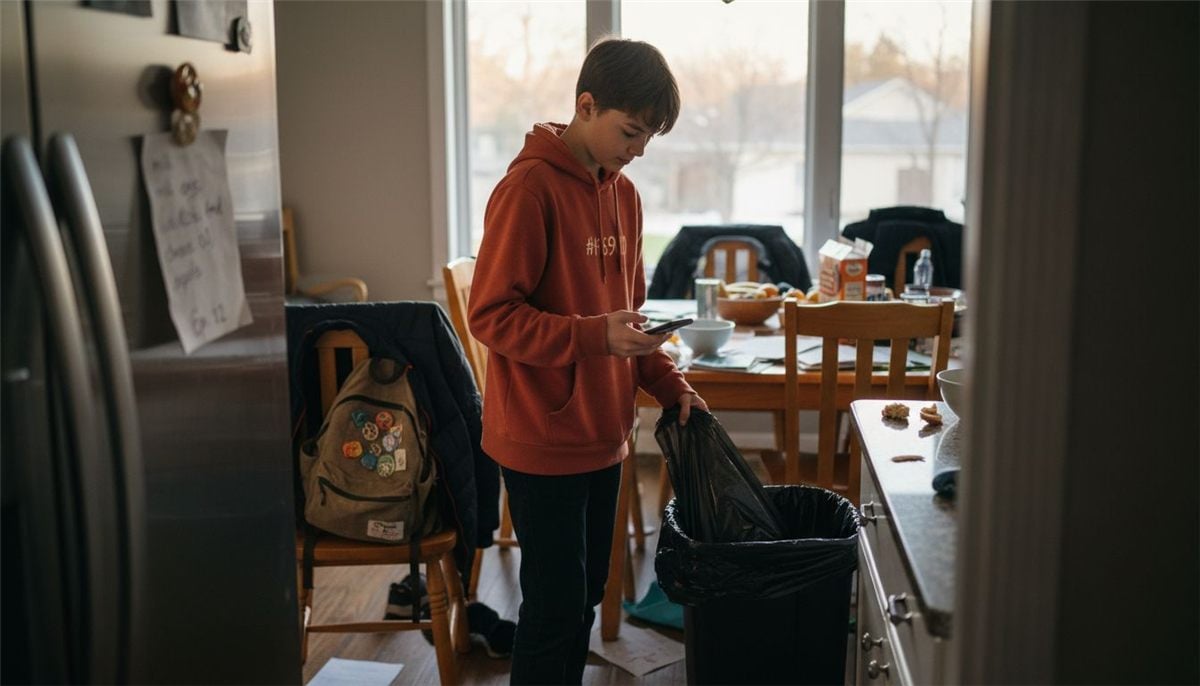
Successful independence development involves creating structured opportunities for personal responsibility. Academic involvement strategies suggest parents should focus on autonomy-supportive behaviors that encourage self-regulation. This means moving from direct management to coaching, helping middle schoolers learn critical skills through guided experiences.
Key strategies for fostering independence include:
- Gradually increasing personal decision-making opportunities
- Teaching financial basics through allowance management
- Encouraging problem-solving without immediate parental intervention
- Creating safe spaces for discussing mistakes and learning
- Establishing age-appropriate household responsibilities
Technology and communication play crucial roles in this developmental phase. Parents should establish clear digital boundaries while simultaneously teaching responsible device and internet usage. This approach helps children develop digital literacy and self-management skills that are essential in today’s interconnected world.
Independence isn’t about perfection, but about learning and growing through experience.
Emotional support remains paramount during this transition. Middle schoolers need consistent reassurance that their growing independence doesn’t diminish parental love or availability. Open communication channels help children feel secure while exploring their expanding capabilities.
Pro tip: Create a weekly family meeting where your middle schooler can practice sharing decisions and articulating their thoughts.
Supporting Autonomy During High School
Parental autonomy support transforms adolescent development during the critical high school years. This period represents a delicate balance between providing guidance and allowing teenagers to develop critical decision-making skills, emotional intelligence, and personal accountability.
Academic motivation emerges as a key focus during this transformative stage. Research demonstrates consistent links between autonomy-supportive parenting and increased intrinsic motivation. Parents who successfully navigate this transition understand that independence isn’t about complete hands-off approach, but strategic, supportive engagement.
Key strategies for supporting high school autonomy include:
- Encouraging independent academic planning
- Teaching financial literacy and budgeting
- Allowing controlled risk-taking experiences
- Supporting personal goal-setting
- Providing constructive feedback instead of direct solutions
- Respecting emerging personal boundaries
Technology and communication play pivotal roles in this developmental phase. Parents must establish clear digital boundaries while simultaneously teaching responsible device usage, helping teenagers develop digital self-management and critical thinking skills. This approach helps children navigate complex online environments while maintaining personal accountability.
Autonomy support isn’t about removing all obstacles, but about teaching navigation skills for life’s challenges.
Emotional intelligence remains crucial during high school autonomy development. Teenagers need consistent reassurance that their growing independence doesn’t compromise parental love or availability. Open, non-judgmental communication channels help adolescents feel secure while exploring their expanding capabilities and personal identities.
Pro tip: Create monthly personal development conversations where your teenager leads the discussion about their goals, challenges, and progress.
Balancing Guidance and Freedom in College
College represents a critical transition point in the parent-child relationship, where traditional guidance models must dramatically evolve. Parents shift from direct managers to strategic consultants, supporting their children’s emerging adult identities while maintaining meaningful connections.
Successful college-era parenting requires understanding the delicate balance between emotional support and personal autonomy. Graduate student experiences reveal that effective parental involvement isn’t about controlling outcomes, but providing scaffolding for independent decision-making.
Key strategies for maintaining healthy college relationships include:
- Establishing communication boundaries
- Respecting academic and personal privacy
- Offering financial guidance without micromanagement
- Creating non-judgmental support channels
- Celebrating independent achievements
- Maintaining flexible emotional availability
Technology plays a crucial role in modern college parenting. Digital communication platforms enable parents to stay connected without invasive monitoring, helping children develop self-management skills while feeling emotionally supported. Smart communication strategies involve scheduled check-ins, allowing students to control interaction frequency and depth.
Independence doesn’t mean disconnection; it means evolving your relationship into a more mature, mutual partnership.
Emotional intelligence becomes paramount during this transition. Parents must recognize that supporting college-age children involves listening more than advising, creating space for personal growth while remaining a consistent, non-judgmental support system.
Pro tip: Schedule monthly check-ins where your college student leads the conversation, sharing their experiences and challenges.
The following table summarizes parental strategies for supporting independence across different developmental stages:
| Life Stage | Key Parental Role | Main Support Focus | Important Skills Developed |
|---|---|---|---|
| Middle School | Coach, Guide | Building responsibility | Problem-solving, digital literacy |
| High School | Advisor, Supporter | Encouraging autonomy | Decision-making, self-management |
| College | Consultant, Mentor | Balancing connection | Financial planning, self-advocacy |
Common Mistakes and How to Avoid Them
Parenting mistakes can significantly impact a child’s developmental trajectory, often unintentionally hindering their journey toward independence. Recognizing and addressing these common pitfalls is crucial for fostering healthy emotional and personal growth.
Overprotection emerges as a primary challenge in modern parenting. Parents frequently struggle with the delicate balance between providing safety and allowing necessary risk-taking experiences. Helicopter parenting can inadvertently undermine a child’s confidence and ability to develop self-reliance.
Common parenting mistakes to avoid include:
- Constantly solving children’s problems
- Maintaining unrealistic expectations
- Inconsistent discipline strategies
- Comparing children to siblings or peers
- Overusing negative language like ‘no’
- Failing to acknowledge children’s emotions
- Micromanaging every aspect of their lives
Technology and communication play critical roles in avoiding these pitfalls. Modern parents must learn to provide guidance without controlling every decision, creating space for personal growth and independent thinking. This means offering support through coaching and dialogue rather than direct intervention.
True independence isn’t about perfection, but about learning from mistakes and developing resilience.
Emotional intelligence is key to navigating these challenges. Parents must recognize that their role evolves from direct manager to supportive mentor, creating environments that encourage exploration, critical thinking, and personal accountability.
Pro tip: Practice active listening and ask open-ended questions that help your child develop problem-solving skills instead of immediately offering solutions.
Empower Your Child’s Journey to Independence with Trusted Guidance
Raising independent kids requires balancing emotional support with empowering autonomy. This article highlights challenges such as overprotection and the need for strategic coaching to build confidence, problem-solving skills, and personal responsibility. If you want to avoid common parenting pitfalls and support your middle schooler or high schooler in developing essential life skills like time management, budgeting, and self-motivation, it is crucial to have effective strategies tailored to your family’s unique needs.
Explore practical tools and expert advice designed specifically for parents and students at every stage of growth. Visit Learning with Angie to discover resources that help you nurture independence while maintaining meaningful connection. Start mastering studying aesthetics, productivity, and healthy routines today with solutions that make a real difference. Take the first step toward empowering your teenager now and watch them thrive with confidence and resilience.
Find out more about how you can support your child’s academic goals and personal growth by visiting Learning with Angie Main Page and learn the art of letting go the right way.
Frequently Asked Questions
How can I promote independence in my child?
Encourage age-appropriate choices, teach problem-solving skills, and gradually increase responsibilities, allowing your child to learn from their decisions.
What role do parenting styles play in fostering independence?
Different parenting styles, such as authoritative or permissive, significantly influence a child’s development. Authoritative parenting, which balances support and expectations, is often the most effective in nurturing independence.
What are some common mistakes to avoid when raising independent kids?
Avoid overprotection, micromanaging every aspect of your child’s life, and setting unrealistic expectations. Instead, focus on supporting your child’s problem-solving efforts and providing emotional support.
How can I support my child during their transition to middle school?
Provide structured opportunities for personal responsibility, establish open communication about their decisions, and teach them financial basics through allowance management.
Recommended
- Create Your Success: Ultimate Goal Setting Checklist
- 15 Reasons the Feynman Technique Is a Game-Changer for Students
- 12 Financial Moves to Start Planning Now that You’re 21
- How to Embrace Your Introversion—Powerful Benefits of Being an Introvert
- Kids Ski Gear Guide | Children’s Skiing Clothes Checklist