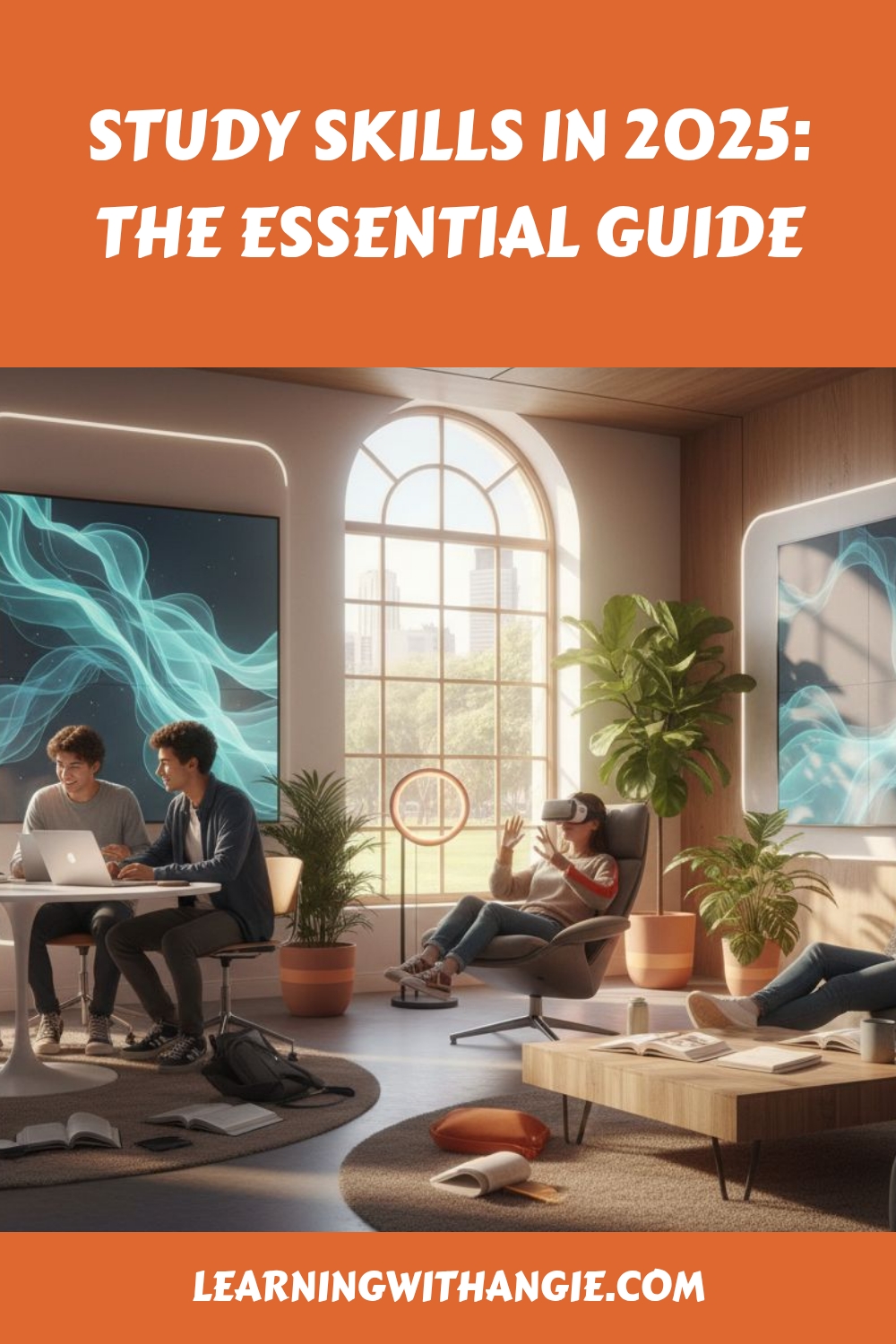
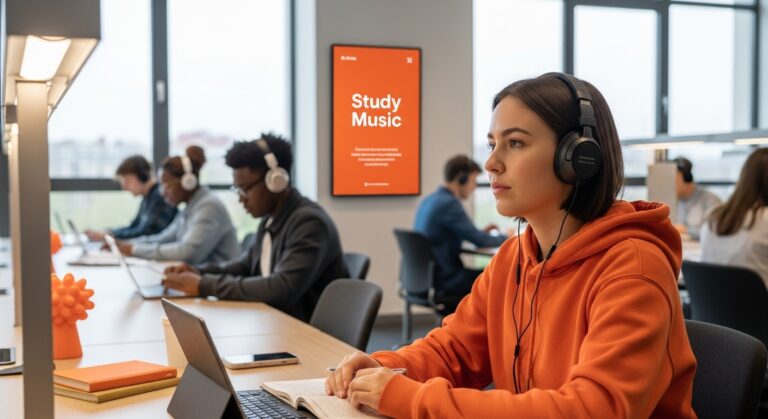
Study Skills in 2026: The Essential Guide
Over ninety percent of students now rely on digital tools for learning, a major shift from the study habits of just a decade ago. The way we approach studying has grown much more complex, blending technology, mental wellness, and flexible learning methods. Understanding what truly defines modern study skills can help you navigate school with confidence, gain better results, and create a routine that fits the demands of education in 2025.
Key Takeaways
| Point | Details |
|---|---|
| Holistic Study Skills | In 2025, effective study skills integrate time management, mental wellness, and technology for personalized learning. |
| Active Learning Emphasis | Modern methods encourage engagement through techniques like microlearning and gamification, promoting critical thinking. |
| Digital Tool Integration | Leveraging digital tools and blended learning environments enhances flexibility and customization in education. |
| Wellness and Academic Success | Students must balance academic goals with emotional and physical well-being for sustainable success. |
Defining Study Skills in 2025
Study skills are no longer just about memorizing textbooks or cramming before exams. According to research from the International Journal of Scientific and Research Publications, modern study skills have evolved into a complex set of strategic behaviors designed to maximize learning potential and academic success.
In 2025, study skills encompass more than traditional learning techniques. They now include a holistic approach integrating technology, mental wellness, and personalized learning strategies.
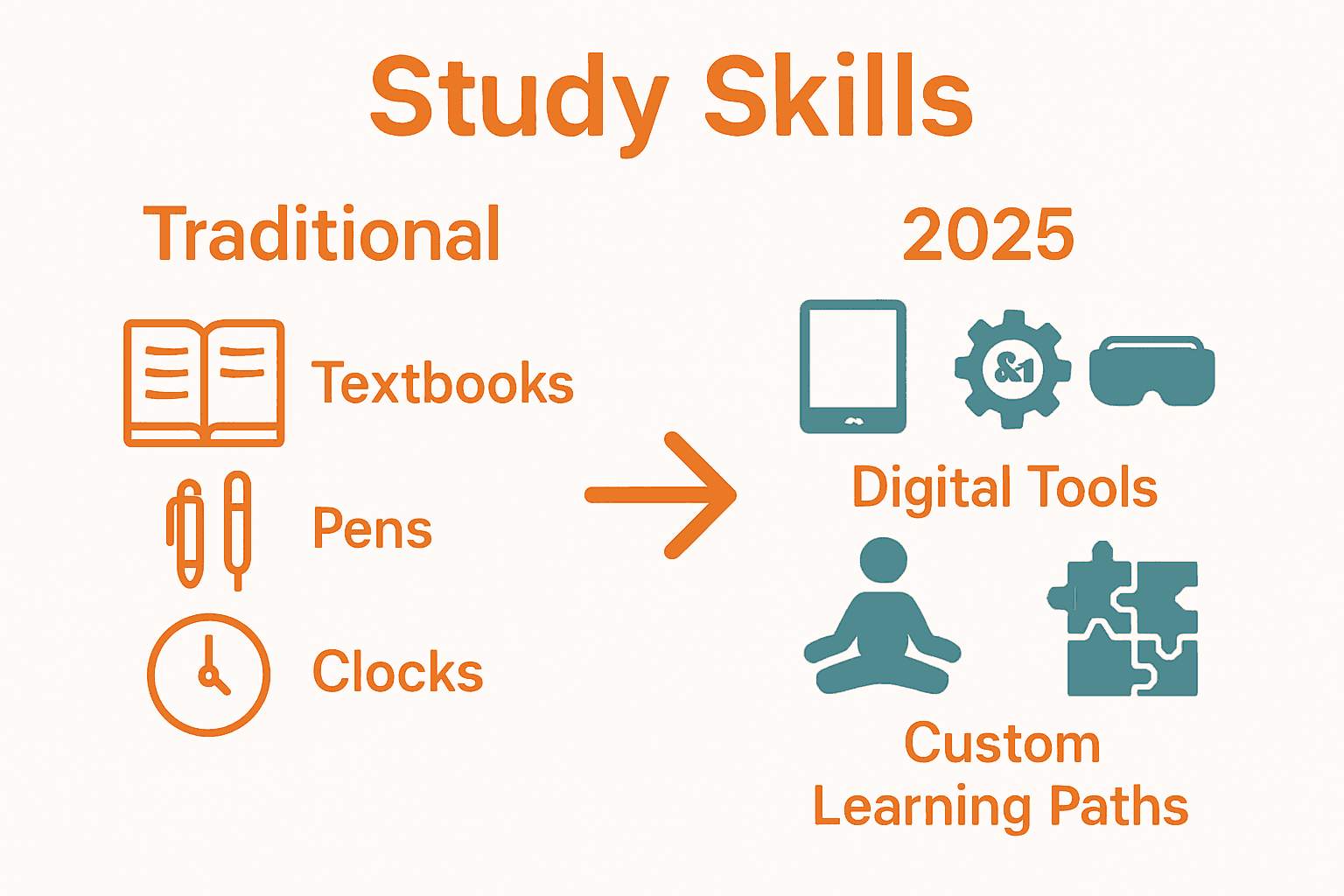 The key components include:
- Time Management: Strategically allocating study hours
- Goal Setting: Creating clear, achievable academic objectives
- Self-Testing: Regularly assessing personal understanding
- Technology Integration: Utilizing digital tools for enhanced learning
- Mental Wellness: Maintaining cognitive and emotional balance
As highlighted by the BMC Medical Education research, successful students in 2025 recognize that effective studying is not about working harder, but working smarter. This means developing adaptable strategies that can be customized to individual learning styles, leveraging technological resources, and maintaining a balanced approach to academic growth.
The future of study skills is dynamic and personalized. It’s about understanding your unique learning patterns, using cutting-edge tools, and creating a sustainable approach to knowledge acquisition that goes beyond traditional classroom methods. Understand how to apply advanced study strategies to transform your academic journey and achieve remarkable results.
Modern Study Methods and Techniques
The landscape of learning has dramatically transformed, with technology and innovative pedagogical approaches redefining how students acquire and process knowledge. According to research from ArXiv, modern study methods now integrate online and mobile learning platforms to enhance student engagement and foster critical thinking skills.
Active Learning has become the cornerstone of contemporary study techniques. This approach moves beyond passive information consumption, encouraging students to interact directly with learning materials. Key modern study methods include:
- Microlearning: Breaking complex topics into bite-sized, digestible chunks
- Collaborative Digital Platforms: Engaging in real-time group study sessions
- Adaptive Learning Technologies: Using AI-powered tools that personalize learning paths
- Gamification: Incorporating game-design elements to make studying more interactive
- Multimedia Integration: Combining text, video, audio, and interactive content
Research from Springer highlights the effectiveness of self-regulated learning techniques, particularly in improving academic skills.
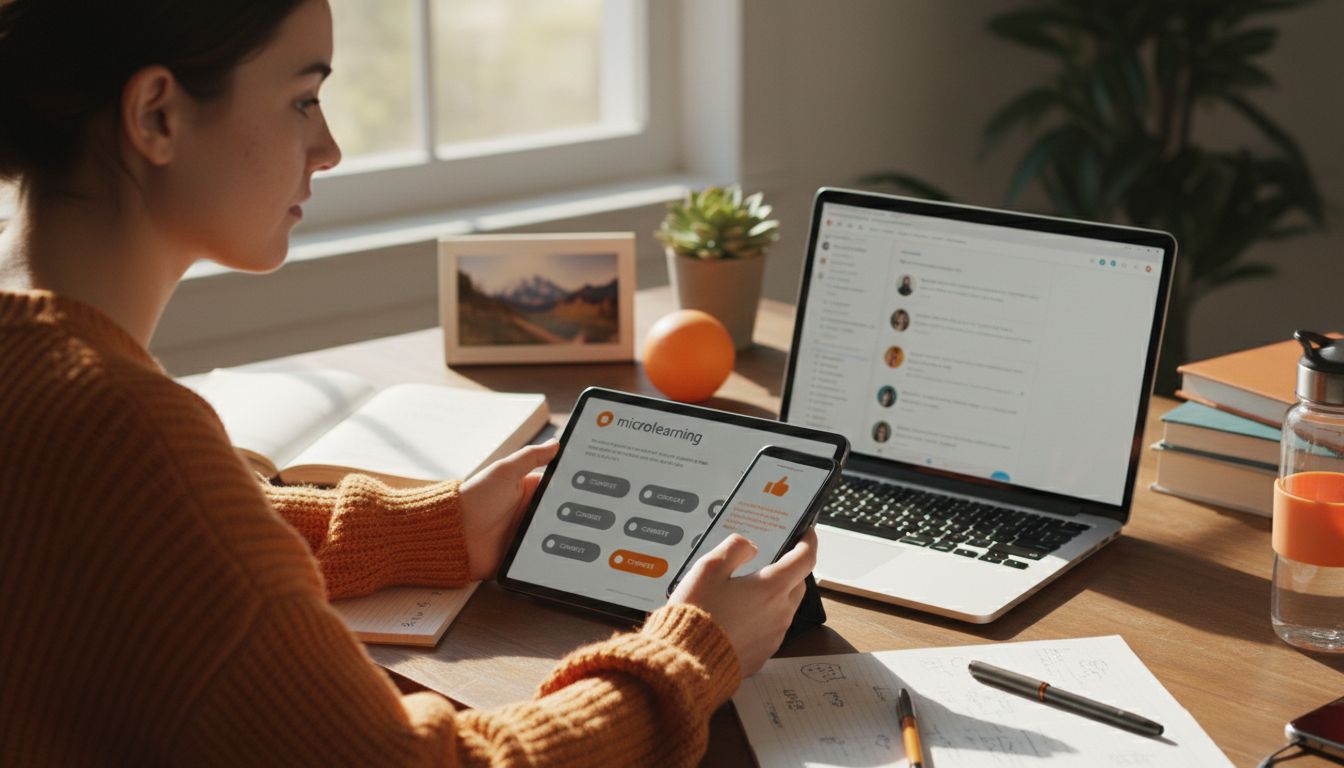 This approach empowers students to take control of their learning process, setting personal goals, monitoring progress, and adapting strategies based on individual performance.
Technology has become an indispensable partner in modern study methods. How to apply advanced study strategies can help you leverage these innovative techniques, transforming traditional learning into an engaging, personalized, and highly effective academic experience. The future of studying is not about memorizing, but about understanding, adapting, and continuously evolving your learning approach.
Leveraging Digital Tools for Learning
Digital tools have revolutionized the learning landscape, offering students unprecedented opportunities to enhance their academic performance. According to ArXiv, the integration of generative AI into academic processes is creating a powerful human-AI collaborative framework that can significantly improve learning efficiency and writing quality.
Blended Learning has emerged as a transformative approach to education, combining the best of digital and traditional learning methods. As explained by Wikipedia, this approach gives students unprecedented control over their learning experience, allowing them to customize their educational journey across multiple dimensions:
- Time Flexibility: Study when it suits you best
- Location Independence: Learn from anywhere
- Personalized Learning Paths: Adapt content to individual needs
- Pace Control: Progress at your own speed
- Diverse Resource Access: Utilize multiple learning materials
Today’s digital learning ecosystem offers a wide range of tools designed to support different learning styles and academic goals. Explore productivity tools that can transform your study approach and help you maximize your learning potential. The key is not just using technology, but strategically integrating digital tools that complement your unique learning style and academic objectives.
The future of learning is dynamic, interconnected, and increasingly personalized. Digital tools are no longer just supplements to education – they are becoming integral components of a comprehensive, adaptive learning experience that empowers students to learn more effectively, efficiently, and enjoyably.
Time Management and Productivity Strategies
In the fast-paced academic environment of 2025, effective time management has become crucial for student success. According to research from BMC Medical Education, strategic goal setting and time management are fundamental to achieving outstanding academic performance.
Productivity Strategies have evolved beyond traditional planning methods, incorporating sophisticated techniques that align with modern student lifestyles. The most effective approaches focus on:
- Priority Mapping: Identifying and focusing on high-impact tasks
- Energy Management: Scheduling tasks according to personal energy levels
- Technology Integration: Leveraging digital tools for efficient tracking
- Micro-Goal Setting: Breaking larger objectives into manageable chunks
- Regular Performance Review: Continuously assessing and adjusting strategies
Research from the International Journal of Scientific and Research Publications emphasizes that successful students don’t just manage time – they master their productivity workflows. This means understanding your personal rhythms, eliminating distractions, and creating systems that naturally guide you toward your academic goals.
Discover comprehensive time management techniques for students that can transform your approach to studying and personal productivity. The key is developing a personalized system that feels natural, reduces stress, and helps you consistently perform at your best. Remember, time management isn’t about perfection – it’s about progress and finding a sustainable rhythm that works uniquely for you.
Balancing Wellness With Academic Success
Academic success in 2025 is no longer defined by grades alone, but by a holistic approach that integrates personal well-being and learning. According to research from BMC Medical Education, self-regulated learning plays a critical role in developing critical thinking skills while maintaining overall student wellness.
Wellness Strategies for academic success have become increasingly sophisticated, focusing on comprehensive personal development:
- Emotional Regulation: Managing stress and academic pressure
- Physical Health: Maintaining consistent sleep and nutrition
- Mental Flexibility: Adapting to challenges with resilience
- Social Connection: Building supportive learning networks
- Personal Boundaries: Creating sustainable study-life balance
As explored in Wikipedia’s cooperative learning research, students achieve more when they work collaboratively and support each other’s holistic development. This approach recognizes that academic success is deeply interconnected with personal well-being and social support systems.
Learn strategies for prioritizing self-care during academic challenges to create a sustainable path to success. Remember, your academic journey is not just about achieving high grades, but about growing as a whole person – mentally, emotionally, and intellectually. The most successful students understand that wellness isn’t a distraction from academic goals, but the very foundation of achieving them.
Master Your Study Skills and Thrive in 2025
Feeling overwhelmed by the new demands of studying in 2025 is common. The article highlights challenges like managing time effectively, integrating technology, and maintaining wellness while learning. If you want to move beyond just working hard and start working smarter with clear goals, self-testing, and digital tools, you are not alone. Many students struggle to balance productivity with mental health and find personalized strategies that really fit their style.
Take control of your academic journey today by exploring tailored resources designed specifically for your level. Whether you are preparing for college challenges with proven methods at College – Learning With Angie or adapting to new digital learning habits with guidance from Online Learning – Learning With Angie, we have solutions to help you build confidence and resilience now. Start mastering study skills that will unlock your potential and keep your well-being intact.
Frequently Asked Questions
What are modern study skills in 2025?
Modern study skills in 2025 encompass a holistic approach that integrates technology, mental wellness, and personalized strategies, including time management, goal setting, self-testing, and technology integration.
How can I incorporate technology into my study routine?
You can incorporate technology by utilizing digital tools that facilitate learning, such as adaptive learning technologies, collaborative platforms for group study, and multimedia resources to enhance engagement and understanding.
What techniques enhance productivity in studying?
Effective productivity techniques include priority mapping, energy management, micro-goal setting, and regular performance reviews to track progress and adjust strategies.
How does wellness impact academic success?
Wellness impacts academic success by promoting emotional regulation, physical health, and social connections, which help students manage stress and create a balanced study-life environment.
Recommended
- 15 Reasons the Feynman Technique Is a Game-Changer for Students
- 16 Essential College Care Package Ideas to Support and Inspire Students
- 43 Must-Have School Supplies for College 2024—Everything You Need