Learning Motivation Tips for Achieving Study Goals
Did you know that students who set specific learning goals are up to 33 percent more likely to achieve academic success? The right strategies can turn studying from a tedious slog into a journey filled with progress and satisfaction. Clear learning goals, an inviting study space, and a personal motivation system can shape every session into a step toward real growth. Discover practical ways to make your study habits more effective and enjoyable.
Quick Summary
| Key Point | Explanation |
|---|---|
| 1. Set SMART Learning Goals | Define specific, measurable, achievable, relevant, and time-bound objectives for effective studying. |
| 2. Create a Dedicated Study Environment | Establish a comfortable and aesthetically pleasing workspace to enhance focus and motivation. |
| 3. Use Personal Motivation Triggers | Identify personal interests and purpose to create engaging learning experiences and maintain enthusiasm. |
| 4. Implement Consistent Reward Systems | Develop point systems and meaningful rewards to motivate and make studying enjoyable. |
| 5. Track Progress and Adapt Strategies | Regularly assess and reflect on learning experiences to improve and adjust study methods effectively. |
Step 1: Establish Clear and Inspiring Learning Goals
Setting meaningful learning goals transforms your study journey from a random walk to a strategic mission. According to Bloom’s Taxonomy, your goals should progress through cognitive levels like remembering, understanding, applying, analyzing, evaluating, and creating.
Start by asking yourself powerful questions: What do I genuinely want to learn? Why does this knowledge matter to me? How will mastering this skill change my future? These questions help you craft goals that aren’t just academic checkboxes but personal growth milestones.
Break down big learning objectives into smaller achievable targets. Instead of saying “I want to master mathematics,” specify “I will understand quadratic equations by studying 30 minutes daily and solving five practice problems each week.” Research from educational psychology suggests that specific goals increase motivation and likelihood of success.
Make your goals SMART: Specific, Measurable, Achievable, Relevant, and Time-bound. This framework helps transform abstract desires into concrete action plans. For instance, “improve writing” becomes “write one 500-word essay weekly with focused grammar improvements.”
Consider using the Feynman Technique tutorial to deepen your understanding and make your learning goals more engaging. By breaking complex subjects into simple explanations, you create clearer learning pathways.
Remember that your goals should inspire excitement. They shouldn’t feel like burdens but like adventures waiting to unfold. When you connect learning to personal passion, motivation becomes natural and sustainable.
Step 2: Design an Engaging Study Environment
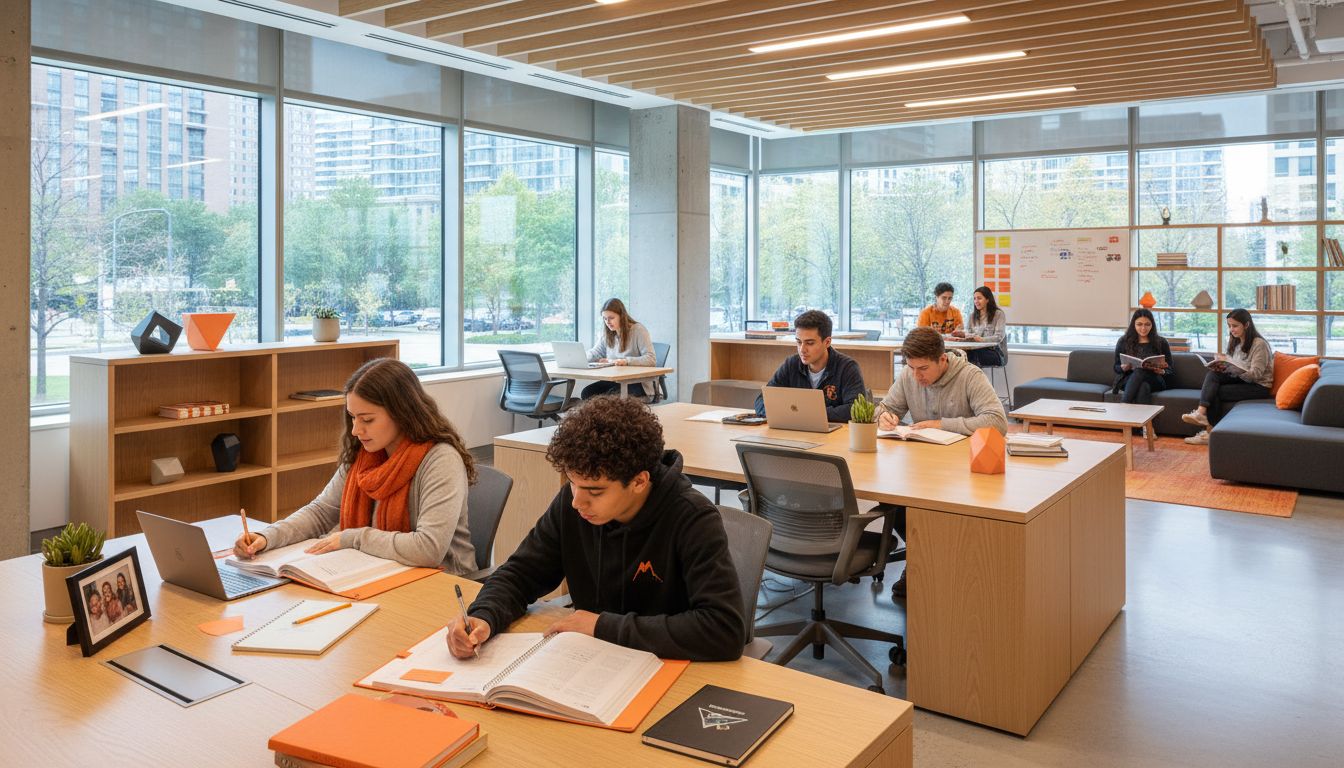
Your study environment plays a crucial role in transforming learning from a chore into an enjoyable experience. According to research, physical space significantly impacts motivation and productivity.
Start by selecting a dedicated study area that signals your brain it is time to focus. This could be a quiet corner in your room, a specific desk, or even a consistent spot at your local library. Research from academic ergonomics suggests that comfort and proper positioning are key to sustained concentration.
Pay attention to lighting and seating. According to ergonomics research, good lighting reduces eye strain while comfortable seating supports physical well-being during long study sessions. Position yourself near natural light if possible, and invest in a chair that supports good posture.
Personalize your space to make it inviting. Add elements that inspire you like motivational quotes, photos of your goals, or small plants. When your environment feels welcoming, studying becomes less intimidating.
Check out our guide on creating an aesthetic productive study space for more detailed design tips that can transform your learning environment.
Remember that flexibility matters. Create a space that can adapt to different study styles and subjects. Sometimes you might need a quiet zone for intense reading, other times a more open area for collaborative learning or group study sessions.
Finally, keep your study area clean and organized. A clutter free space helps maintain mental clarity and reduces unnecessary distractions.
Think of your study environment as a physical representation of your learning journey.

Step 3: Develop Personalized Motivation Triggers
Motivation is deeply personal and goes beyond generic inspirational quotes. Your unique triggers will transform studying from a mundane task to an exciting personal journey of growth and discovery.
Start by understanding your deeper purpose. According to purpose-guided education research, connecting your studies to your life goals dramatically increases intrinsic motivation. Ask yourself powerful questions: How does this learning connect to my long-term dreams? What skills am I developing that matter to me?
Gamification can be a powerful strategy to make learning engaging. As research on learning gamification suggests, turning study sessions into interactive experiences can boost your motivation. Create reward systems for yourself like earning points for completed study blocks, tracking progress visually, or giving yourself small treats after achieving specific learning milestones.
Design motivation triggers that speak directly to your interests. If you love technology, use digital tracking apps. If you are artistic, create visual progress journals. If you are competitive, set up friendly study challenges with classmates.
Check out these motivational quotes to inspire your academic journey when you need an extra boost of enthusiasm. Sometimes a powerful words can reignite your passion for learning.
Remember that motivation is not constant. Some days will feel easier than others. Build flexible systems that adapt to your energy levels. On low motivation days, have backup plans like shorter study sessions or more interactive learning methods.
Ultimately, your motivation comes from understanding yourself. Pay attention to what genuinely excites you, what makes you curious, and how learning connects to your bigger life vision. Your most powerful motivation will always be personal and meaningful.
Step 4: Implement Consistent Reward Systems
Reward systems transform learning from a chore into an exciting personal challenge. They work like secret motivation boosters that keep you engaged and moving forward in your academic journey.
According to research on gamification of learning, incorporating game like elements into your study routine can significantly enhance motivation and engagement. Think of your learning path as a game where you collect points, unlock achievements, and level up your skills.
Start by creating a simple point system for your study goals. Assign point values to different tasks such as completing homework assignments, studying for a specific duration, or mastering a challenging concept. For example, finishing a challenging math problem might earn you 50 points while reviewing notes could be worth 20 points.
Design meaningful rewards that genuinely excite you. These could range from small treats like your favorite snack to larger rewards like a movie night or purchasing something you want. The key is choosing rewards that feel motivating and personally significant.
Track your progress visually. Use a colorful chart, digital app, or physical journal to record your points and achievements. Research suggests that visual tracking increases motivation by making your progress tangible and exciting.
Check out our guide on fostering personal growth strategies to understand how personalized motivation can transform your learning experience.
Remember that consistency matters more than perfection. Some days you will earn more points than others and that is completely okay. The goal is to create a system that feels supportive and encouraging rather than restrictive.
Ultimately, your reward system should make learning feel like an adventure. By turning study goals into a personal challenge, you transform education from a mandatory task into an exciting journey of self discovery and growth.
Step 5: Track Progress and Adjust Strategies
Tracking your learning journey is like being the captain of your own academic ship. You need a reliable navigation system to understand where you are and chart the best course forward.
Reflective writing emerges as a powerful tool in this process. According to research, regularly documenting your learning experiences helps you develop metacognition an ability to understand and monitor your own thinking and learning strategies. Start a weekly learning journal where you honestly assess what worked well and what challenges you encountered.
Create a simple tracking system that feels manageable and insightful. This could be a digital spreadsheet, a dedicated notebook, or a combination of tools that help you monitor your progress. Record not just grades but also study hours, comprehension levels, and personal insights about your learning experience.
Understand your digital learning behaviors. The Digital Visitor and Resident framework suggests examining how you interact with online learning environments. Are you actively engaging with educational resources or passively consuming content? Reflect on your digital learning habits and adjust your strategies accordingly.
Be honest and kind with yourself during these progress reviews. The goal is not perfection but continuous improvement. Some strategies will work brilliantly while others might need tweaking. That is completely normal and part of your learning adventure.
Check out our quotes to motivate your academic journey when you need an extra boost during your progress tracking.
Remember that flexibility is your greatest asset. Learning is not a linear path but a dynamic journey with unexpected turns. Your ability to observe, reflect, and adjust makes you a true learning champion.
Here’s how each step supports your learning transformation:
| Step | Main Focus | Key Strategies |
|---|---|---|
| Step 1: Learning Goals | Define purpose & direction | SMART goals Bloom’s Taxonomy Personal relevance |
| Step 2: Study Environment | Create optimal workspace | Dedicated area Good lighting Personal touches |
| Step 3: Motivation Triggers | Boost engagement & energy | Purpose connection Gamification Customized rewards |
| Step 4: Reward Systems | Sustain progress & effort | Point goals Meaningful rewards Progress tracking |
| Step 5: Tracking & Adjusting | Reflect & improve | Learning journal Behavior review Flexible strategies |

Unlock Your Study Motivation and Achieve Your Goals Today
Struggling to stay motivated while working toward your study goals is a common challenge that can feel overwhelming and frustrating. This article highlighted key strategies like setting SMART goals, creating personalized motivation triggers, and implementing rewarding systems to keep your energy high and your focus sharp. By embracing these proven techniques, you gain the power to transform your learning experience into an inspiring journey rather than a tedious task.
If you are a high school student seeking tailored tips to boost motivation or a college learner striving for better study habits, explore the valuable insights in our High School – Learning With Angie and College – Learning With Angie sections. Start applying these strategies now and find tools designed to support your unique needs. Take control of your motivation today and experience how consistent progress turns into lasting success.
Frequently Asked Questions
How can I create effective learning goals for my studies?
To create effective learning goals, make them SMART: Specific, Measurable, Achievable, Relevant, and Time-bound. For example, instead of saying “I want to improve in math,” specify, “I will practice math for 30 minutes every day and complete five practice problems each week.”
What steps can I take to design an engaging study environment?
Design an engaging study environment by choosing a dedicated study area, ensuring good lighting, and using comfortable seating. Personalize your space with motivational quotes or photos to make it inviting and conducive to focus.
How do I identify my personal motivation triggers for studying?
Identify personal motivation triggers by reflecting on what excites you about your studies and how they align with your life goals. Ask yourself, “What skills am I developing that matter to me?” and consider using gamification elements to enhance engagement.
What are some effective ways to implement a reward system for studying?
Implement a reward system by creating a point-based system for tasks completed, like assigning points for study hours or mastering concepts. Set meaningful rewards for accumulating points, such as treats or leisure activities, to keep yourself motivated throughout your learning journey.
How can I track my learning progress effectively?
Track your learning progress by maintaining a weekly journal to reflect on accomplishments and challenges. Use a simple spreadsheet to log study hours and insights, which allows you to adjust strategies based on what works and what doesn’t.
What should I do if my motivation dips during my studies?
If your motivation dips, revisit your personal learning goals and adjust them as needed to reignite your interest. Incorporate flexible study methods, like shorter sessions or more interactive learning techniques, to make studying feel less daunting and more enjoyable.
Recommended
- Transformative Power of Motivational Quotes in Academic Life
- 36 Quotes to Motivate You to Study Immediately + Wallpapers
- 15 Reasons the Feynman Technique Is a Game-Changer for Students
- Unlock Your Potential with These 10 Adult Study Techniques
Want a head start? The Goal Planner in my shop was made for exactly this — it’ll save you a ton of time.