
How a Study Planner Changes the Way You Manage Your Workload
Study planners might seem like simple calendar tools for students, but the reality is they can completely transform how you learn. Turns out, students who use planners see up to 50 percent greater improvement in managing academic tasks and stress compared to those who do not. The real surprise is planners are not just about keeping track of deadlines. They actually help students build self-discipline, reduce anxiety, and make big goals feel possible.
Quick Summary
| Takeaway | Explanation |
|---|---|
| Study planners enhance time management. | They break down large tasks into smaller, manageable steps, easing the planning process. |
| Goal setting is crucial in studying. | Study planners help students create clear, achievable academic objectives for better focus. |
| Progress tracking boosts accountability. | Monitoring one’s advancement towards goals fosters motivation and self-discipline. |
| Visual organization reduces anxiety. | Providing a clear overview of tasks decreases overwhelm, helping students feel more confident. |
| Flexibility in planning aids adaptation. | Incorporating adaptability in study plans allows for adjustments in response to unexpected challenges. |
What are Study Planners and Their Purpose?
Study planners are strategic organizational tools designed to help students manage their academic tasks, time, and learning objectives effectively. Think of them as personal roadmaps that transform scattered study efforts into structured, purposeful learning experiences. These planners are more than just calendars or to-do lists – they are comprehensive systems that support your entire learning journey.
The Fundamental Purpose of Study Planners
Study planners serve multiple critical functions in a student’s academic life. According to research on self-regulated learning, these tools support metacognitive processes by enabling students to monitor, direct, and regulate their learning activities.
Key purposes of study planners include:
- Time Management: Breaking down large academic tasks into manageable chunks
- Goal Setting: Creating clear, achievable academic objectives
- Progress Tracking: Monitoring advancement towards learning milestones
Types of Study Planners
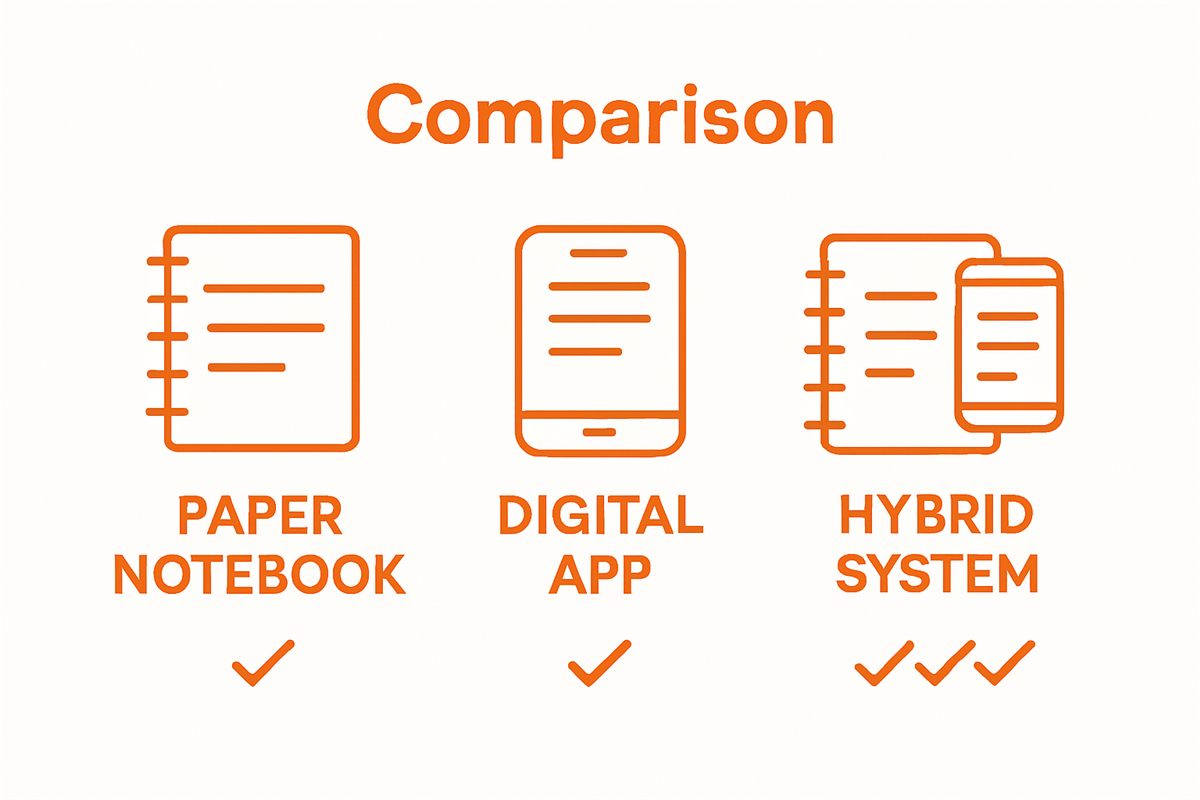
Study planners come in various formats, catering to different learning styles and preferences. Digital apps, physical notebooks, and hybrid systems offer unique advantages. Whether you prefer a DIY study binder that showcases your organizational style or a sleek digital planning app, the core purpose remains consistent: transforming academic chaos into structured success.
To help clarify the different types of study planners available to students, the following table outlines their format options and unique features.
| Type of Study Planner | Format | Unique Features |
|---|---|---|
| Digital Planner | App or software | Syncs across devices, offers reminders and analytics |
| Physical Notebook | Paper-based planner | Tactile experience, customizable layouts |
| Hybrid Planner | Combination digital/paper | Integrates digital flexibility with physical tracking |
| DIY Study Binder | Personalized binder | Fully customizable, showcases organizational style |
The role of study planners extends beyond simple scheduling. They act as cognitive scaffolding, helping students develop critical skills like prioritization, self-discipline, and strategic thinking. By providing a visual representation of academic tasks and goals, these tools reduce overwhelm and increase the likelihood of academic achievement.
Why Study Planners Matter in Education
Study planners are far more than simple organizational tools. They represent a critical bridge between academic potential and actual academic performance. These strategic systems transform how students approach learning, turning potential chaos into structured, intentional progress.
Academic Performance and Psychological Benefits
According to research on student planning, study planners provide significant psychological advantages that directly impact academic success. They help students develop essential skills like:
- Self-discipline: Creating accountability for personal learning goals
- Stress Management: Breaking overwhelming tasks into manageable steps
- Cognitive Organization: Developing strategic thinking and planning skills
Learning Autonomy and Skill Development
Study planners empower students to become active participants in their educational journey. Instead of passively receiving information, students learn to understand and implement effective study advice by taking control of their learning process.
The psychological impact of using study planners cannot be overstated. By providing a clear visual roadmap of academic responsibilities, these tools reduce anxiety, increase motivation, and help students feel more confident in their ability to succeed.
To summarize the primary benefits provided by study planners, this table compares academic and psychological advantages students can gain from using these tools.
| Benefit | Academic Impact | Psychological Impact |
|---|---|---|
| Time Management | Greater control over deadlines and workload | Reduced anxiety about upcoming tasks |
| Goal Setting | Increased focus on academic objectives | Higher motivation and sense of direction |
| Progress Tracking | Improved assessment of achievement | Boosted self-confidence and accountability |
| Visual Organization | Clear overview of academic commitments | Feeling of control and decreased overwhelm |
| Flexibility in Planning | Adapts easily to changing schedules | Less stress when unexpected events occur |
How Study Planners Work to Organize Learning
Study planners operate as sophisticated cognitive frameworks that transform abstract academic goals into concrete, actionable steps. They function like personal learning navigation systems, guiding students through complex educational landscapes with precision and clarity.
Breaking Down Complex Academic Tasks
According to research from the Institute of Education Sciences, effective study organization involves strategic approaches to learning. Study planners help students deconstruct massive academic challenges into smaller, more manageable components by:
- Segmenting Large Projects: Dividing complex assignments into bite-sized tasks
- Establishing Realistic Timelines: Creating schedules that balance academic work with personal activities
- Prioritizing Learning Objectives: Identifying and focusing on most critical learning outcomes
Strategic Learning Visualization
Study planners create visual representations of academic progress that transform abstract goals into tangible achievements. Learn how to adapt your study strategies to different learning styles to maximize the effectiveness of your planning approach.
These organizational tools work by providing a comprehensive overview of academic commitments, enabling students to anticipate challenges, allocate appropriate time and resources, and maintain a proactive approach to learning. By converting complex academic requirements into structured, chronological roadmaps, study planners help students transform potential academic overwhelm into systematic, achievable progress.
Key Concepts of Effective Study Planning
Effective study planning is a nuanced approach that goes beyond simple scheduling. It requires strategic thinking, self-awareness, and a systematic method for transforming academic goals into achievable outcomes. Understanding these key concepts can dramatically improve a student’s learning experience and academic performance.
Core Principles of Strategic Planning
Study planning is not about filling every minute with work, but creating a balanced and intentional approach to learning. Explore our top time management strategies for exam preparation to understand how precise planning can optimize your academic success.
Key strategic principles include:
- Realistic Goal Setting: Establishing clear, measurable, and attainable academic objectives
- Flexibility: Building adaptability into your study plan to accommodate unexpected challenges
- Self-Assessment: Regularly evaluating and adjusting your study strategies based on performance
Cognitive Load and Study Planning
Understanding cognitive load is crucial in developing an effective study plan. This concept recognizes that our brains have limited processing capacity, and successful learning involves managing information intake strategically.
By breaking complex topics into digestible segments, utilizing spaced repetition, and creating visual learning maps, students can optimize their cognitive resources. An effective study planner acts as a cognitive scaffold, helping learners distribute their mental energy efficiently and prevent academic burnout.
Real-World Impact of Study Planners on Success
Study planners are not just theoretical tools but powerful instruments that translate academic potential into tangible achievements. They serve as transformative mechanisms that bridge the gap between intention and actual performance, helping students navigate complex educational landscapes with precision and purpose.
Academic Performance Transformation
According to research from Harvard Graduate School of Education, personalized success plans can dramatically reshape student outcomes. These planning tools go beyond simple scheduling, acting as strategic frameworks that:
- Enhance Goal Tracking: Converting abstract academic aspirations into measurable milestones
- Improve Time Management: Allocating resources strategically across different academic commitments
- Build Personal Accountability: Creating systems of self-monitoring and continuous improvement
Psychological and Motivational Benefits
Learn how to balance lifestyle and academics for sustained success by understanding the psychological impact of structured planning. Study planners do more than organize tasks they fundamentally transform a student’s relationship with learning.
By providing clear visual representations of progress, study planners reduce academic anxiety, boost self-confidence, and create a sense of control over one’s educational journey. They help students transition from feeling overwhelmed to feeling empowered, turning potential academic challenges into opportunities for personal growth and achievement.

Transform Your Learning Experience With the Right Study Planner
If you feel overwhelmed by scattered assignments and the stress of trying to organize your study goals, you are not alone. Many students struggle with time management, keeping track of goals, and breaking down complicated coursework into manageable steps. As discussed in the article, effective study planning helps you move from chaos to clarity and builds the confidence needed to reach your highest academic potential. With the power of visual planning and proven organization strategies, you can reclaim control over your learning process and see real progress without feeling lost or anxious.
Start building better study habits tailored to your needs. Explore practical tips, guided resources, and study planner solutions on our Studying collection. Do not let another semester slip by. Take charge of your education and feel the impact of an empowered, structured approach today.