
Complete Guide to the Role of Study Habits
Most american students do not realize that strong study habits can boost learning outcomes by nearly 40 percent. Whether you are aiming for higher grades or hoping to manage your time better, the way you approach studying makes all the difference. By understanding what study habits actually are and how they shape your academic progress, you can begin making practical choices that lead to greater confidence and long-term success.
Key Takeaways
| Point | Details |
|---|---|
| Study Habits Matter | Consistent and intentional study habits enhance learning and academic performance. |
| Environment Influences Learning | A quiet and organized study area minimizes distractions and improves focus. |
| Active Engagement is Key | Techniques like questioning and visual aids enhance understanding and retention of materials. |
| Avoid Common Mistakes | Strategies like breaking study sessions into shorter segments can prevent fatigue and boost retention. |
Defining Study Habits and Core Concepts
Study habits are the consistent, intentional behaviors and practices students develop to enhance their learning and academic performance. These personal strategies help transform random study sessions into structured, effective learning experiences. At their core, study habits encompass everything from how you organize your study space to the methods you use to process and retain information.
When creating effective study habits, environment plays a crucial role. Choosing a quiet and organized study area can significantly improve concentration and learning outcomes. According to Penn State Learning, students should select spaces with minimal distractions where they can focus completely on their academic material. This might mean finding a dedicated corner in your home, a silent library section, or a peaceful coffee shop where you can immerse yourself in studying.
Successful study habits also involve strategic time management and active engagement with learning materials. Students should develop techniques like breaking study sessions into manageable intervals, actively questioning the content, and creating visual representations of complex concepts. Understanding your personal study style can help you customize these approaches to match your individual learning preferences. Some key elements of robust study habits include:
- Creating a consistent study schedule
- Utilizing unexpected free time for quick review sessions
- Developing active reading and note-taking strategies
- Regularly testing your own knowledge through practice problems
- Adapting study techniques based on subject complexity and personal learning patterns
Ultimately, study habits are personal tools that evolve with your academic journey. By intentionally developing and refining these practices, you transform studying from a mundane task into an engaging process of continuous learning and self-improvement.
Types of Study Habits for Learners
Study habits are not one-size-fits-all, and learners can develop diverse strategies that align with their unique cognitive styles and academic goals. Developing atomic study habits requires understanding the different types of approaches students can leverage to enhance their learning effectiveness. Some primary categories of study habits include organizational, active learning, time management, and collaborative techniques.
Organizational study habits focus on creating structured learning environments and systematically managing academic materials. According to Florida National University, this can involve carefully organizing lecture notes to ensure comprehensive understanding and easy review. Key organizational strategies include maintaining neat notebooks, creating digital folders for course materials, using color-coded systems for note-taking, and developing consistent filing methods for assignments and research documents.
Active learning study habits emphasize direct engagement with course content through interactive techniques. These approaches go beyond passive reading and include methods like:
- Creating visual mind maps and diagrams
- Asking critical questions about the material
- Explaining concepts out loud to simulate teaching
- Developing practice quizzes for self-assessment
- Connecting new information to previously learned knowledge
Collaborative study habits involve working with peers to enhance understanding and motivation. College students can significantly improve their learning through strategic group study sessions, online study groups, and peer tutoring. Oxford Learning College highlights that successful learners often set specific goals and plan study times collaboratively, which helps maintain accountability and provides multiple perspectives on complex topics.
Time management study habits are critical for balancing academic responsibilities. These techniques include breaking larger tasks into smaller, manageable segments, using productivity techniques like the Pomodoro method, creating detailed study schedules, and allocating specific time blocks for different subjects. By mastering these varied study habit types, students can develop a personalized approach that maximizes their learning potential and academic success.

Key Characteristics of Effective Study Habits
Effective study habits are not just about spending hours reading textbooks, but about creating a strategic and intentional approach to learning. Mastering the Feynman Technique can be a powerful way to develop robust study skills that go beyond traditional memorization methods. The most successful students understand that effective study habits are a combination of mental strategies, environmental design, and consistent practice.
According to Maryville College, one of the primary characteristics of effective study habits is studying in small, consistent increments daily rather than cramming before exams. This approach helps build long-term retention and prevents overwhelming study sessions. Key elements of this strategy include breaking down complex subjects into manageable chunks, creating a structured study schedule, and maintaining a dedicated, quiet study environment that minimizes distractions.
Active engagement is another crucial characteristic of effective study habits. Penn State Learning emphasizes the importance of not just passively reading material, but interacting with it through various techniques:
- Asking critical questions about the content
- Creating visual summaries and mind maps
- Explaining concepts in your own words
- Developing practice quizzes
- Connecting new information to existing knowledge
Consistent self-assessment and adaptability are also essential characteristics of successful study habits. Students should regularly evaluate their learning strategies, identify areas of weakness, and be willing to adjust their approach. This might involve experimenting with different study techniques, seeking feedback from instructors, or using tools that help track academic progress. The most effective study habits are those that are personalized, flexible, and aligned with individual learning styles and academic goals. By developing these characteristics, students can transform studying from a mundane task into an engaging and productive process of continuous learning and personal growth.
Impact of Study Habits on Academic Success
Study habits are not just routine practices but powerful determinants of academic performance and long-term learning outcomes. Advanced learning techniques can transform how students approach their educational journey, directly influencing their academic success and intellectual growth.
Recent research highlights the profound connection between strategic study habits and academic achievement. The arXiv study on active-learning pedagogy demonstrates that students who engage in interactive learning methods experience significant cognitive gains. These gains are not limited to immediate test performance but extend to developing deeper understanding and more positive attitudes toward learning. Key impacts of effective study habits include:
- Improved information retention
- Enhanced critical thinking skills
- Reduced academic stress
- Greater confidence in academic abilities
- More efficient learning processes
Technology and innovative learning systems are also reshaping our understanding of study habits. Self-regulated learning technologies are emerging as powerful tools for student success, using gamification and artificial intelligence to help students develop more sophisticated learning strategies. These systems can track individual learning patterns, provide personalized feedback, and help students identify and overcome their specific academic challenges.
Ultimately, the impact of study habits extends beyond grades. Developing strong study skills builds metacognitive abilities, self-discipline, and a growth mindset that serves students throughout their academic and professional lives. By consciously cultivating effective study habits, students invest in a comprehensive approach to learning that prepares them not just for exams, but for continuous personal and intellectual development.
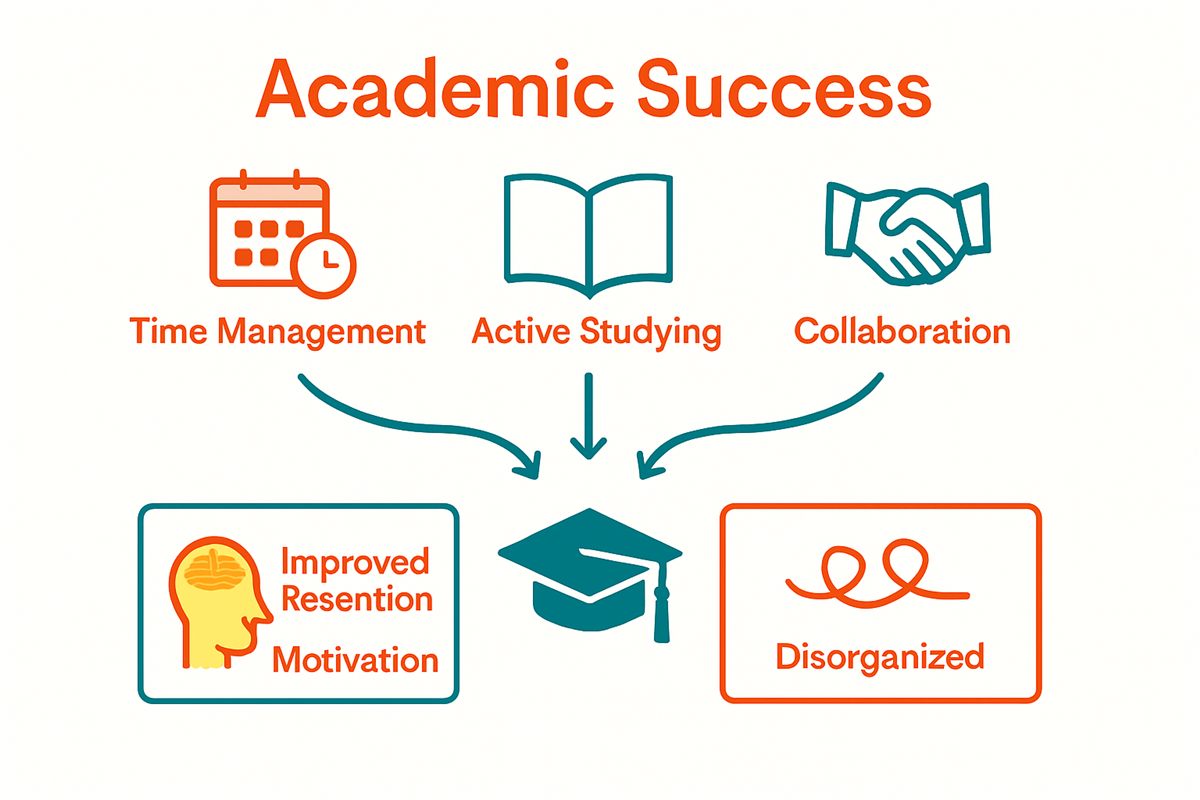
Common Mistakes and How to Avoid Them
Study habits are complex systems that can easily go off track when students fall into predictable patterns of ineffective learning. Developing atomic habits can help transform these common mistakes into opportunities for academic growth and improvement. Understanding these pitfalls is the first step toward creating more strategic and successful study approaches.
Florida National University highlights several critical mistakes students frequently make in their study routines. Cramming and poor organization represent two of the most significant barriers to effective learning. These mistakes typically manifest in behaviors like:
- Waiting until the last minute to study for exams
- Failing to create structured note-taking systems
- Studying in environments with numerous distractions
- Attempting to memorize instead of understanding concepts
- Neglecting regular review of course materials
Oxford Learning College provides insights into additional common study mistakes, particularly emphasizing the dangers of inconsistent and unfocused study strategies. Students often make the error of trying to study for extended periods without breaks, which leads to mental fatigue and reduced information retention. The key is to implement techniques like the Pomodoro method, which involves studying in focused, shorter intervals with strategic breaks. This approach helps maintain mental clarity, prevents burnout, and allows for more effective information processing.
Successful students learn to transform these common mistakes into opportunities for growth. By developing self-awareness, creating structured study plans, and remaining flexible in their approach, learners can overcome these challenges. Recognizing that study habits are skills to be learned and refined—not fixed traits—empowers students to continuously improve their academic performance and develop lifelong learning strategies.
Transform Your Study Habits and Unlock Academic Success
The “Complete Guide to the Role of Study Habits” highlights common challenges like disorganized study routines, ineffective time management, and lack of engagement with learning materials These obstacles can create frustration and stalled progress in your academic journey. If you are struggling to create consistent and personalized study strategies that enhance retention and reduce stress you are not alone This article stresses the importance of developing strategic habits such as active learning, regular self-assessment, and structured scheduling to transform your approach to studying
Take control of your academic growth today by exploring practical solutions that directly align with these goals Discover proven techniques for mastering time management productivity and effective study environments at LearningWithAngie Enhance your daily routine with tailored tips that help you build strong study habits that last and boost your confidence. Don’t let ineffective habits hold you back Unlock your full potential and start your journey to academic excellence now by visiting Learning With Angie Your future self will thank you.
Frequently Asked Questions
What are effective study habits?
Effective study habits are consistent behaviors and practices designed to enhance learning and academic performance, including organizing your study space, managing time wisely, and actively engaging with course materials.
How do study habits impact academic success?
Study habits significantly influence academic performance by improving information retention, enhancing critical thinking skills, reducing academic stress, and fostering greater confidence in one’s abilities.
What are some common mistakes in study habits?
Common mistakes in study habits include cramming for exams, poor organization of notes, studying in distracting environments, and failing to regularly review material, which can hinder effective learning.
How can I develop personalized study habits?
To develop personalized study habits, assess your learning style, create a structured study schedule, and incorporate active learning techniques such as creating mind maps or practice quizzes that align with your individual preferences.