Anxiety is a common experience for many people, but it doesn’t have to control your life. In this blog post, we will explore practical tips to help you manage anxiety, offering a friendly and accessible approach to make life a bit easier.
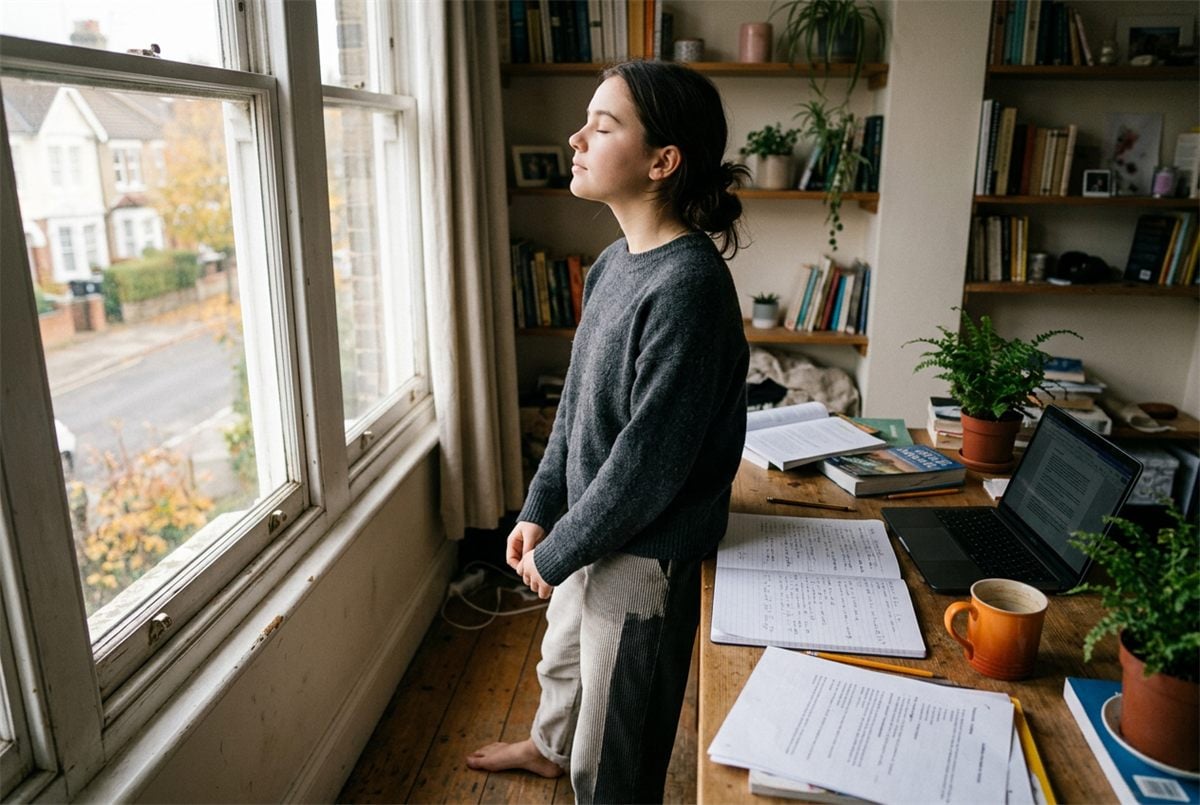
Understanding Anxiety: Why It Happens
Before diving into management techniques, it’s crucial to understand what anxiety is. Recognizing the signs and symptoms can be the first step towards controlling it. Anxiety often manifests as persistent worry or fear about everyday situations. It’s a normal response to stress, but for some, it becomes overwhelming, interfering with daily life. Understanding anxiety’s root causes is essential. Factors such as genetics, brain chemistry, and life events can contribute to its development. By identifying triggers, you can approach anxiety with greater awareness and preparedness.
One key aspect of understanding anxiety is recognizing it as a survival mechanism. In ancient times, anxiety helped our ancestors remain vigilant and aware of threats. Today, while physical dangers are less common, the pressures of modern life can trigger the same fight-or-flight response. Everyday stressors like work demands, social obligations, or health concerns can set off this ancient alarm system, leading to heightened anxiety levels. By acknowledging anxiety’s evolutionary background, you can better grasp why it arises and how it’s wired into our behavior.
Breathing Techniques to Soothe Your Mind
Simple breathing exercises can significantly reduce anxiety levels. Let’s explore some techniques that you can practice anytime to find peace. Deep breathing helps activate the body’s relaxation response, slowing the heartbeat and stabilizing blood pressure. Techniques such as ‘4-7-8 breathing’ or ‘box breathing’ are easily practiced and highly effective. For ‘4-7-8 breathing’, inhale for four seconds, hold the breath for seven seconds, and exhale slowly for eight seconds. This method has been shown to reduce stress and promote calmness.
Mindful breathing is not merely about the act itself, but also about focusing on the present moment. By concentrating on your breath, you pave the way to mindfulness, reducing racing thoughts that often accompany anxiety. Practice inhaling deeply through your nose, feeling your lungs fill, and then exhale slowly through your mouth. Imagining tension leaving your body with each exhalation can amplify the calming effects. Regular practice of these techniques strengthens your emotional resilience and makes anxiety more manageable over time.
Establishing a Routine for Stability
Having a consistent daily routine can provide a sense of stability and reduce anxiety. Learn how structure can positively impact your mental health. Routines create predictability, reducing uncertainty and promoting a feeling of control. Begin with small changes, like setting a consistent wake-up time, allocating specific times for tasks, or creating a bedtime ritual. Over time, these routines become anchors, helping you navigate stressful days with greater ease.
Beyond just daily activities, routines encompass habits that reinforce your well-being. Incorporate elements that nurture your body and mind, such as regular exercise, balanced meals, and leisure activities. As you structure your day around priorities that support your goals, you foster an environment where anxiety diminishes naturally. Even when challenges arise, a well-established routine acts as a safeguard, giving you the confidence to tackle disruptions from a place of strength and calmness.
The Importance of Balanced Nutrition
What you eat can influence your mood and anxiety levels. Discover how a balanced diet can support your emotional well-being. Nutrition has a profound impact on mental health. Consuming whole foods rich in vitamins and minerals can stabilize mood imbalances. Foods high in omega-3 fatty acids like fish, and those abundant in antioxidants like berries, have shown to aid in reducing anxiety symptoms.
Conversely, caffeine and sugar can exacerbate anxiety, creating spikes in blood sugar or disrupting sleep, leading to heightened stress levels. Selecting whole-grain carbohydrates provides a slow, steady release of energy, avoiding the highs and lows linked to refined sugars. Incorporating a variety of fruits, vegetables, lean proteins, and healthy fats creates a balanced diet that underpins both physical and emotional health, reinforcing your resilience against anxiety.
Physical Activity: Moving Towards Calmness
Exercise isn’t just for physical health; it’s a vital component of managing anxiety. Let’s look at how different forms of movement can benefit your mind. Physical activity stimulates the production of endorphins, chemicals in the brain that act as natural mood lifters. Regular exercise, whether it’s walking, yoga, or cycling, reduces levels of the body’s stress hormones, such as adrenaline and cortisol.
Developing a routine that includes physical activity integrates an intentional practice of self-care into your lifestyle. Engage in activities that suit your preferences and fitness level, ensuring that exercise feels more like a natural release rather than a chore. This habit nurtures both body and mind, creating a robust defense against the relentless worry and stress that anxiety brings.
Creative Outlets as Emotional Vent
Engaging in creative activities can be a therapeutic way to express and process emotions. Whether it’s painting, writing, or playing music, creativity provides an outlet for the feelings anxiety often stirs up. The act of creating engages different parts of the brain, allowing you to explore emotions safely and meaningfully. It serves not only as an emotional release but also as a form of meditation, drawing focus away from anxiety and towards the present moment.
By immersing yourself in a creative process, you cultivate mindfulness, reducing the mind’s tendency to spiral into anxious thoughts. You can start with simple projects that bring you joy, gradually building a portfolio of work that reflects your journey. These creative expressions stand as tangible reminders of your resilience and capability, empowering you to approach anxiety with greater confidence and calm.
Seeking Professional Help When Needed
Sometimes, the best step is to reach out for professional support. Understand the benefits of therapy and counseling in managing anxiety. Professional guidance can provide personalized strategies to address your unique experiences with anxiety. Therapists use a range of techniques, such as cognitive-behavioral therapy (CBT), to help you reframe negative thought patterns, enhancing your coping mechanisms.
Don’t hesitate to seek help if anxiety feels insurmountable. A therapist can be a valuable partner in your mental health journey, offering insights and support that empower you to transform how you experience and manage anxiety. Working with a professional can be a sign of strength, reflecting a commitment to your well-being and a proactive step towards living a more balanced and fulfilling life.
Embracing Calm with Confidence
Anxiety can feel overwhelming, but with the right tools and strategies, you can navigate it more effectively. By practicing these tips and being gentle with yourself, you’ll be better equipped to handle whatever comes your way. Visit our homepage for more resources and to start your journey toward a calmer life today.