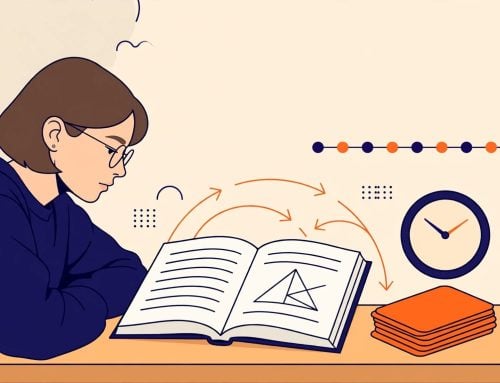
Memorization is a skill that can greatly enhance learning and retention, whether you’re preparing for an exam, learning a new language, or trying to assimilate vast amounts of information. But not all memorization techniques are created equal, and what works for one person might not work for another. In this blog, we’ll delve into different memorization strategies to help you find the one that best suits your learning style.

Understanding How Memory Works
Before diving into specific techniques, it’s important to understand the basics of how memory functions. Our memory is typically divided into three types: sensory, short-term, and long-term memory. Sensory memory holds information from the senses just long enough for it to be recorded, short-term memory retains it for a bit longer but is limited in capacity, and long-term memory stores information more permanently. By understanding how these types of memory serve different functions, you can start to tailor your memorization strategies to be more effective, integrating techniques that transition information smoothly from one type to another.
Another fascinating aspect of memory is the role of neuroplasticity, which refers to the brain’s ability to change and adapt in response to experience. This adaptability means that with consistent practice and the right strategies, anyone can improve their memory capabilities. Moreover, when approaching different strategies, keeping the physiological aspects of memory can help in choosing methods that optimize your brain’s natural pathways.
Repetition: The Classic Approach
Repetition is one of the oldest and most straightforward memorization techniques. By consistently reviewing information through techniques such as spaced repetition, whether it’s flashcards or repetitive reading, you reinforce the neural pathways that store the data in your brain. Spaced repetition in particular has been shown to be highly effective, as it combats the forgetting curve by spacing out review sessions incrementally over time. This method is excellent for learning languages, mathematical formulas, or historical facts, focusing on gradually reinforcing information in long-term memory.
Integrating repetition with other forms of engagement, like active recall, where you test yourself on the information after reading, can further strengthen the memory. This combination not only tests your recall ability but also brings a dynamic angle to repetition, keeping your study sessions more engaging and less monotonous.
Mnemonics: Making Memory Fun
Mnemonics involve using creative wordplay or imagery to make information easier to remember. For many, this method brings joy to learning as it includes a personal touch to otherwise dry material. Acronyms, visual imagery, and rhymes are popular mnemonic devices that transform complex information into something memorable. For instance, remembering the order of operations in mathematics through the phrase PEMDAS—Parentheses, Exponents, Multiplication and Division, Addition and Subtraction—is a classic mnemonic approach.
With the increasing complexity of information in today’s world, mnemonics have become more sophisticated. Modern educators often blend mnemonics with digital tools, encouraging students to create interactive mnemonics for robust learning experiences. This technique not only engages visual and auditory senses but also makes the learning process much more enjoyable and relatable, thus aiding retention.
Chunking: Breaking It Down
Chunking refers to breaking down larger amounts of information into smaller, manageable units or ‘chunks.’ This strategy takes advantage of the brain’s ability to process data in chunks, making it easier to remember. This technique is particularly useful when learning new languages, dealing with long sequences of numbers, or even trying to grasp difficult concepts in science class.
A practical example of chunking could be seen in learning phone numbers, where digits are grouped, typically in threes or fours, to aid memorization. Recent research into cognitive sciences suggests that chunking not only aids memorization but also speeds up the processing of complex information into meaningful groups, improving not only retention but understanding as well.
The Method of Loci: Mapping Your Mind
Also known as the memory palace technique, the Method of Loci involves visualizing a familiar place and associating pieces of information with specific locations within that setting. This technique has been used since ancient times and relies heavily on the power of spatial memory. By mentally ‘placing’ pieces of information in different rooms or areas of a familiar location, one can create a vivid mental map that is easy to traverse mentally.
While historically used by orators, the Method of Loci has found a home in modern apps and digital environments that encourage spatial learning. Recent developments in virtual reality have enabled people to create interactive memory palaces, providing a modern twist on this ancient technique. Such innovations allow individuals to meticulously control and personalize their learning environments, enhancing memorization through immersive experiences.
Active Engagement: Learning by Doing
Active engagement means involving multiple senses or activities in the learning process, such as teaching others, engaging in discussions, or applying information in real-life scenarios. This method promotes deeper understanding and long-term retention by using multiple neural pathways. For example, incorporating discussions or teaching sessions into your own study routine not only consolidates your understanding but also enhances recall by leveraging the social and verbal communication networks in your brain.
Furthermore, combining active engagement with problem-based learning or project-based activities not only fosters a deeper connection with the material but also enhances critical thinking skills. This holistic approach to learning enriches both knowledge retention and practical application, reflecting real-world experiences where various skills are intertwined for effective solutions.
Finding Your Best Memorization Strategy
While there are various memorization strategies to choose from, the key is finding the one that aligns with your personal style and needs. Experimenting with these techniques can ultimately enhance your ability to retain information more effectively. Remember, the best strategy is the one that not only aids memorization but makes learning enjoyable. To explore more about how these strategies can align with your specific goals, visit our homepage for more resources.