Stop Wasting Time on Busy Work: Try These 7 Quick Time Management Hacks
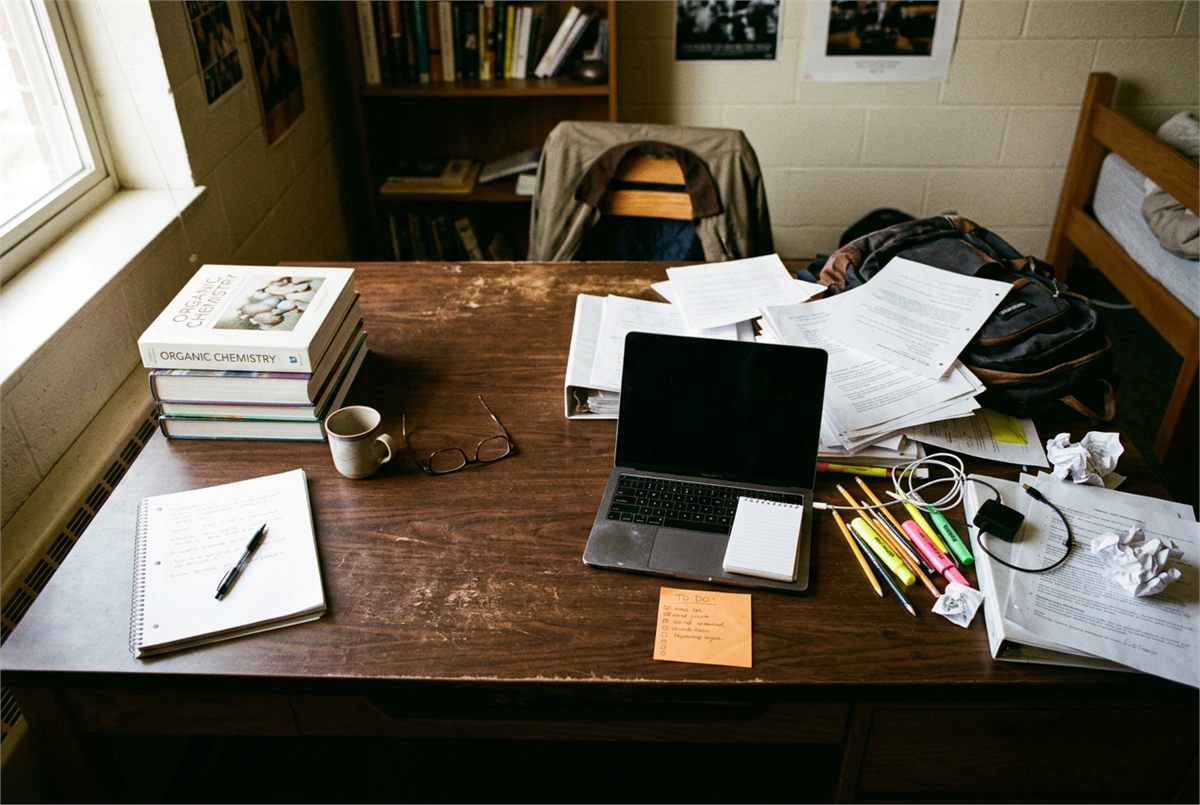
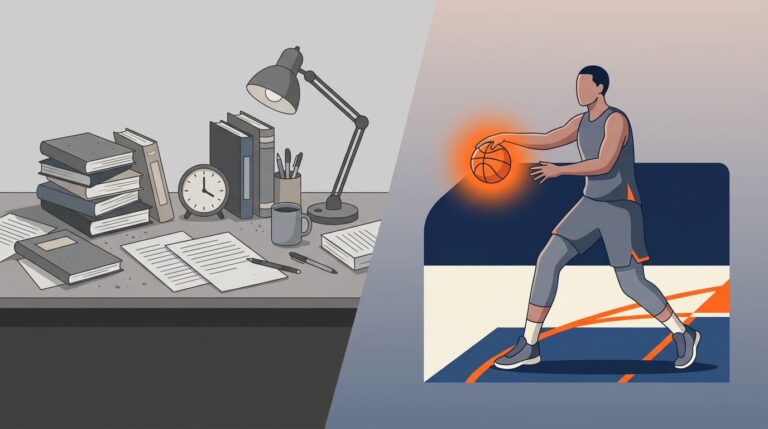
Ever spend six hours "studying" only to realize you mostly just color-coded a header and scrolled through TikTok for "inspiration"? You aren't alone. Most students fall into the trap of busy work: those low-impact tasks that make you feel productive but don't actually move the needle on your grades or your goals.
Ready to stop spinning your wheels and start making real progress? To become the student who finishes work early and actually has time for a life outside of school, you need to shift your focus from being "busy" to being effective.
Here are 7 quick time management hacks to help you reclaim your schedule and focus on what truly matters.
Master Ruthless Prioritization
The biggest lie we tell ourselves is that every item on our to-do list is equally important. It isn’t. If you treat a minor worksheet with the same urgency as a final project, you’re wasting your most valuable asset: your energy.
To break this cycle, you must learn to prioritize ruthlessly. Before you start your day, look at your list and ask: "Which of these tasks will actually impact my future?"
- Identify your "Big Three": Choose only three tasks that MUST be done today.
- Focus on Impact: High-impact tasks are things like drafting an essay or studying for a math exam. Low-impact tasks are things like organizing your desk or checking emails.
- Use a guide: If you're feeling overwhelmed and don't know where to start, try a Life Reset Checklist to clear the mental clutter.
Own Your Calendar with Time Blocking
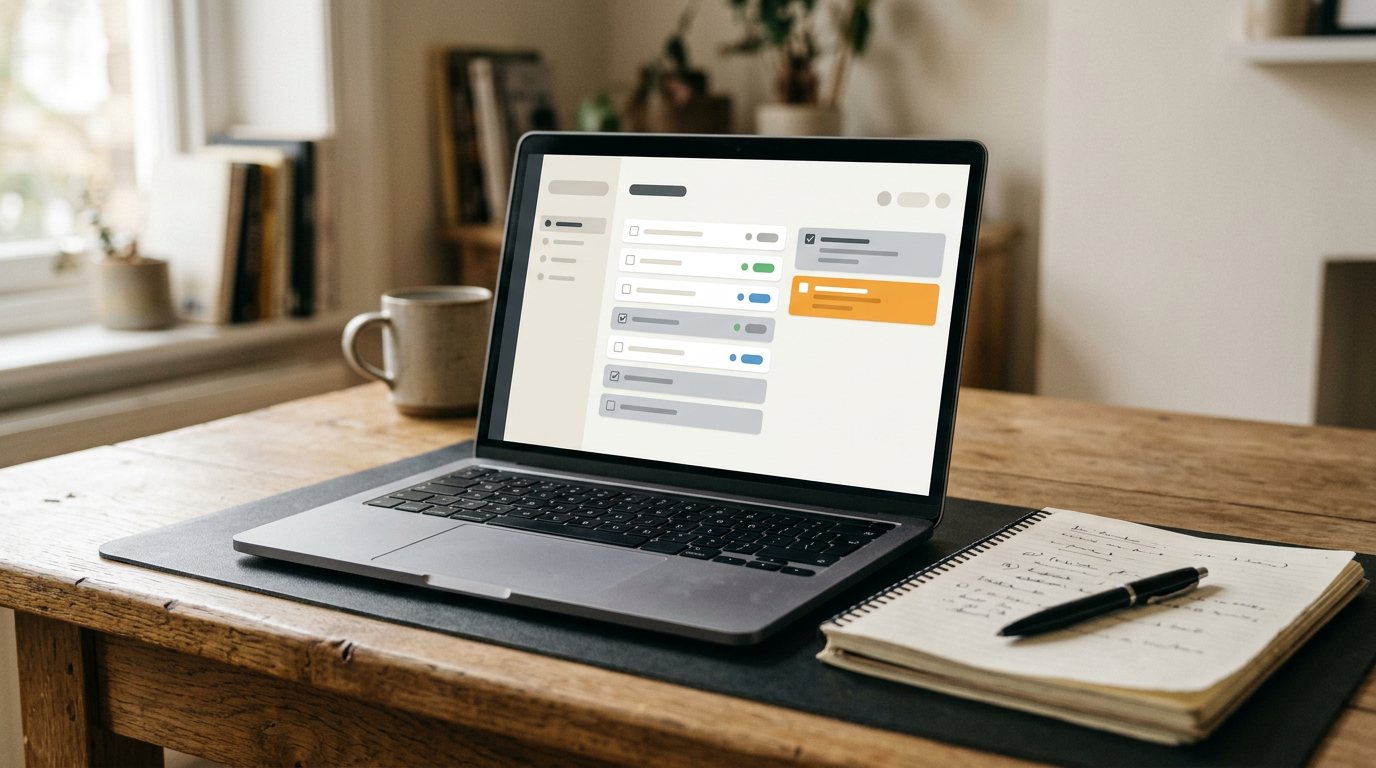
To-do lists are great for remembering tasks, but they are terrible for actually getting them done. Why? Because they don't account for time.
Time blocking is the practice of scheduling specific "blocks" of time for specific tasks. Instead of saying "I'll study tonight," you say "I will study Biology from 4:00 PM to 5:30 PM." This creates a boundary that protects your focus from distractions.
- Schedule high-intensity work first: Tackle your hardest subjects when your brain is freshest.
- Include "white space": Don't book yourself back-to-back. Give yourself 10-15 minutes between blocks to stretch.
- Go physical or digital: Use an Undated Monthly Planner to visualize your month and identify your busiest weeks before they sneak up on you.
Power Through with the Pomodoro Technique
Do you find yourself staring at a blank page for an hour, paralyzed by the size of the task? You need a way to trick your brain into starting.
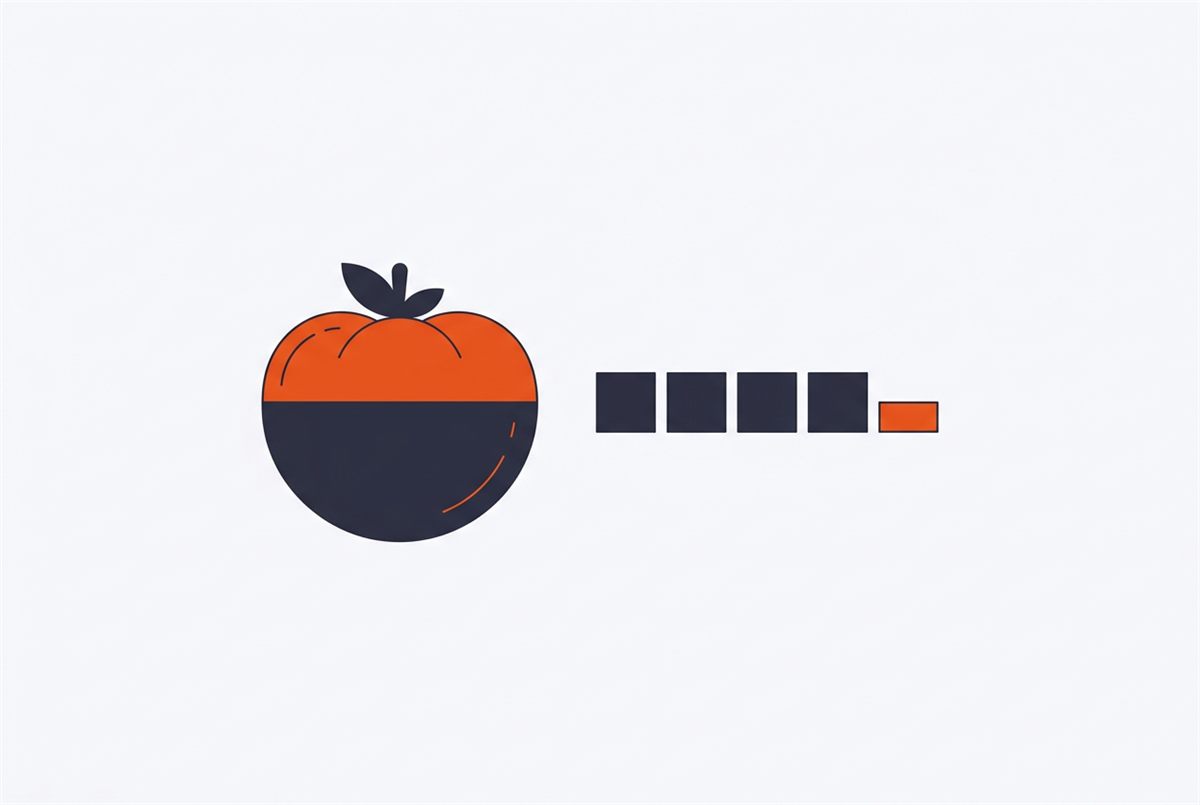
The Pomodoro Technique is a classic for a reason: it works. By breaking your work into short, manageable bursts, you prevent burnout and keep your focus sharp.
- Set a timer for 25 minutes: Work on ONLY one task during this time. No phone, no tabs, no distractions.
- Take a 5-minute break: Stand up, grab water, or look out a window.
- Repeat four times: After four "Pomodoros," take a longer 20-30 minute break.
- Why it works: It’s much easier to commit to 25 minutes of work than to "an evening of studying."
Adopt the Two-Minute Rule for Small Tasks
Busy work often feels overwhelming because it piles up. Small tasks like replying to a teacher’s email, filing a handout, or tidying your workspace take almost no time individually, but together they create a "clutter tax" on your brain.
The Two-Minute Rule is simple: If a task takes less than two minutes to complete, do it immediately.
- Stop the pileup: Don't put "Email Counselor" on a to-do list if you can just send the email now.
- Clear the mental deck: Every small task you finish is one less thing taking up "RAM" in your brain.
- Build momentum: Checking off small wins early in the day makes it easier to tackle the big projects later.
Batch Your Low-Impact Tasks
If you have five small, similar tasks (like checking grades, responding to messages, and organizing your Google Drive), don't do them sporadically throughout the day. This leads to "context switching," which can sap up to 40% of your productivity.
Instead, batch them. Group all your administrative or "low-energy" tasks into one 30-minute window.
- Designate an "Admin Hour": Use the late afternoon when your brain is too tired for deep study.
- Stay consistent: Use a Daily Healthy Habits Checklist to ensure these small maintenance tasks don't get forgotten.
- Protect your flow: By batching small tasks, you keep your high-energy hours open for deep, meaningful work.
Clear Your Digital Clutter

In 2026, your "workspace" isn't just your desk; it’s your desktop. A cluttered digital environment is just as distracting as a messy room. If you’re spending 15 minutes looking for a specific PDF, you’re losing your momentum.
Effective time management requires a centralized system. You need one place where your notes, deadlines, and resources live.
- Organize your files: Use clear naming conventions (e.g., "History_Essay_Draft_1").
- Use Templates: Don't reinvent the wheel. For complex processes like college applications, use a Notion College Search Template to keep every detail in one searchable spot.
- Close the tabs: At the end of every study session, close all your browser tabs to give yourself a fresh start next time.
Perform a Daily Reflection

The best way to stop wasting time on busy work is to realize you’re doing it. Most of us work on autopilot, repeating the same inefficient habits day after day.
A daily reflection allows you to look back at your day and ask: "What went well? Where did I lose time? How can I do better tomorrow?"
- Keep it brief: Five minutes at the end of the day is all you need.
- Focus on progress: Celebrate what you did finish rather than stressing over what you didn't.
- Use a template: A Printable Daily Reflection Journal Template can guide your thoughts and help you spot patterns in your productivity.
Ready to Streamline Your Success?
Time management isn't about doing more things; it’s about doing the right things. When you eliminate busy work, you find that you actually have more time for the things that make you happy: hobbies, friends, and sleep.
Are you ready to stop feeling overwhelmed and start feeling in control?
Join The Community to get biweekly tips, exclusive resources, and tested strategies delivered straight to your inbox. We're here to help you navigate school and life with confidence and clarity.
Sign up for the Learning With Angie Newsletter here!
Want a head start? The Ultimate Student Planner in my shop was made for exactly this — it’ll save you a ton of time.