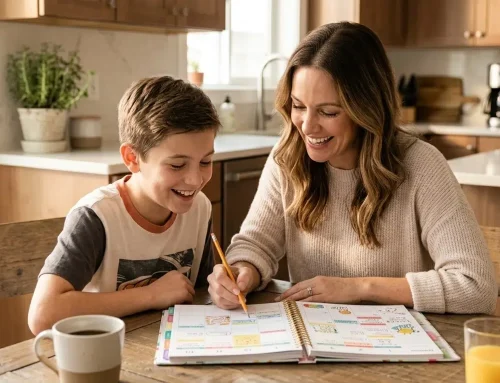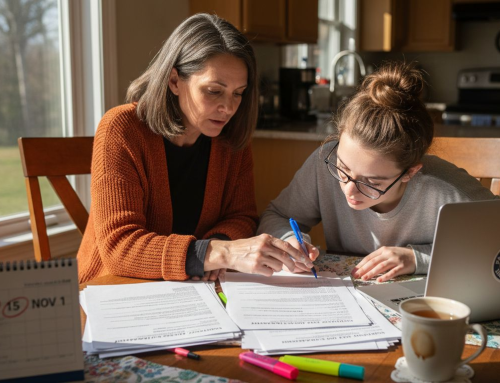
Do you feel like your morning routine has turned into a daily negotiation? Are you tired of being the household alarm clock, the human GPS for lost sneakers, and the walking calendar for science project deadlines?
If you’re nodding your head, you aren’t alone. The jump to middle school is one of the most significant shifts in a child’s life. Suddenly, they’ve gone from one teacher and one classroom to six different subjects, six different personalities, and a locker combination they can never quite remember.
This transition is where Executive Function becomes the star of the show. It’s the brain’s "air traffic control" system, and in middle schoolers, that system is still very much under construction. The good news? You can help them build it without becoming the "nagging parent."
Ready to transform your role from a helicopter parent into a high-performance coach? Let’s dive in.
Understand the "Air Traffic Control" in Their Brain
Executive function isn't just one skill; it's a bundle of mental processes that help us plan, focus, remember instructions, and juggle multiple tasks successfully. Think of it as the management system of the brain.
For a middle schooler, these skills are essential but often underdeveloped. They might be brilliant at math but completely unable to find their math homework in the "black hole" of their backpack. Understanding that this is a developmental phase: not a character flaw or laziness: is the first step toward a more peaceful home.
Key Executive Function Skills Include:
- Working Memory: Holding onto information while using it (like remembering a multi-step instruction).
- Cognitive Flexibility: Switching focus from one task to another or changing tactics when a plan isn't working.
- Inhibitory Control: Resisting impulses and staying focused on the goal at hand.
Shift From "Catching" to "Coaching"
The biggest mistake we make as parents is trying to "catch" our kids in their mistakes. We wait for them to forget their lunch, and then we lecture. We wait for the grade to drop, and then we swoop in.
Instead, aim to streamline your approach by becoming a coach. A coach doesn't play the game for the athlete; they provide the tools, the strategy, and the encouragement from the sidelines.
How to make the shift:
- Use curious questions: Instead of saying "Do your homework," try "What's the biggest thing on your plate today?"
- Normalize the struggle: Use phrases like, "I also struggle with staying organized sometimes. Here is a trick that helps me."
- Focus on the process: Praise the effort they put into organizing their folder, not just the "A" on the test.

Build a Fail-Proof "Launch Pad"
One of the most effective ways to reduce morning friction is to externalize the organization. Middle schoolers often lack the mental "bandwidth" to remember everything they need as they walk out the door.
The Solution? Create a "Launch Pad."
This is a designated spot near the door: and only that spot: where everything for the next day lives. By making the invisible visible, you reduce the need for verbal reminders (a.k.a. nagging).

What belongs in a Launch Pad:
- The Backpack: Packed and zipped the night before.
- The Shoes: Right next to the bag.
- The "Extras": Band instruments, sports gear, or poster boards for projects.
- A Visual Checklist: A small Daily Healthy Habits Checklist or a simple whiteboard that lists the "Big 3" items they need before they leave.
Chunking: Master the "Smallest Next Step"
Big projects are the enemy of executive function. When a student sees "History Project due Friday," their brain often short-circuits because the task feels too massive to start.
To enhance their productivity, teach them the art of "chunking." This involves breaking a large, intimidating task into tiny, manageable pieces.
The Pomodoro Technique is a fantastic tool for this. Encourage your student to work for 25 minutes and then take a 5-minute break. It makes the "start" feel much less daunting. You can even use a physical Pomodoro Timer to make the time visible.
Practice the "Smallest Next Step" together:
- The Project: "Write a 5-page paper."
- The Smallest Next Step: "Open a blank Google Doc and type the title."
- The Next Step: "Find two sources in the online library."
Once they take that first tiny step, momentum usually takes over.

Let Them Choose Their Tools
Ownership is the secret sauce of middle school success. A student is much more likely to use a system if they had a hand in choosing it. If you force a paper planner on a kid who loves digital tools, it will end up at the bottom of the backpack.
Offer choices to empower them:
- Paper vs. Digital: Do they want a physical undated monthly planner or a digital tool like a Notion Template?
- Visual vs. Text: Do they prefer a color-coded calendar or a simple bulleted list?
- Study Environment: Do they focus better at a cozy study nook or the kitchen table?
By giving them the power of choice, you aren't just helping them stay organized; you're helping them build a personal workflow that will serve them through high school and college.
Regulate Before You Educate
Executive function lives in the prefrontal cortex: the part of the brain that shuts down when we are stressed, hungry, or tired. If your child is having a meltdown over a math assignment, no amount of organizational advice will help them in that moment.
The "HALT" Check:
Before you dive into coaching, ask if they are:
- Hungry
- Angry/Anxious
- Lonely
- Tired
Sometimes, the most effective executive function strategy is a 10-minute movement break, a glass of water, or a quick snack. Use a Printable Daily Reflection Journal to help them identify these patterns over time. When their brain is regulated, they can actually access the skills you're trying to teach them.

The Five-Minute Check-In
Instead of "checking up" on your child (which feels like surveillance), try "checking in" (which feels like support).
Establish a consistent time: perhaps Sunday evening or right after dinner: for a 5-minute sync. Keep it short, keep it calm, and keep it focused on the week ahead.
The "Checking In" Script:
- "What are the three biggest things you have going on this week?"
- "Is there anything you need my help with (like a ride or supplies)?"
- "What’s your plan for that science quiz on Thursday?"
When you keep these meetings brief and predictable, your child learns that they are the ones in the driver’s seat, and you are simply the navigator helping them read the map.
Join The Community
Building independence in your middle schooler is a marathon, not a sprint. It takes patience, consistency, and a whole lot of deep breaths. But watching your child realize they can manage their own life is one of the most rewarding parts of parenting.
Want more actionable resources, study tips, and student success strategies delivered straight to your inbox?
Join the Learning With Angie Community
Every two weeks, we share honest, unfiltered advice to help you and your student navigate the complexities of school and life. Whether you're a parent of a middle schooler, a high schooler, or a homeschooling family, we have the tools you need to stay organized and inspired.
Ready to become the coach your student needs? Let's get to work!
Want a head start? The All-in-One College Application Organizer in my shop was made for exactly this — it’ll save you a ton of time.