
How to Create an Aesthetic, Productive Dorm/Study Space
Aesthetic and productive study spaces do more than just look good on social media. Research from the American Psychological Association shows your physical environment can make or break your focus and motivation. This might sound simple but it goes far beyond having a clean desk. What really powers up your study success is not just organization but the way color, comfort, and a touch of your own style can flip the switch on your brain’s ability to learn.
Quick Summary
| Takeaway | Explanation |
|---|---|
| Create a calming visual environment. | Choose colors and a layout that promotes calmness and focus to enhance your study efficiency. |
| Minimize distractions in your workspace. | Organize your study area to limit unnecessary stimuli, helping you maintain concentration. |
| Incorporate personal elements into your study space. | Personalizing your environment with meaningful objects boosts emotional comfort and motivation. |
| Use ergonomic furniture for comfort. | Select furniture designed to reduce physical strain, enhancing your ability to focus over long study sessions. |
| Strategically design for optimal productivity. | Implement lighting, spatial organization, and minimalist elements to create a functional, distraction-free learning environment. |
What is an Aesthetic, Productive Study Space?
An aesthetic, productive study space is a carefully curated environment designed to maximize learning efficiency and mental focus while creating a visually pleasing atmosphere. According to research from the American Psychological Association, your physical environment significantly impacts cognitive performance and motivation.
The Core Components of an Effective Study Space
A well-designed study space goes beyond simply having a desk and chair. It involves strategic elements that engage your senses and promote concentration. The primary components include:
- Visual Harmony: A clean, organized space with a color palette that feels calming and inspiring
- Functional Layout: Ergonomic furniture positioned to minimize physical strain
- Minimal Distractions: A setup that reduces unnecessary stimuli and interruptions
Psychological Impact of Study Environment Design
Your study environment directly influences your mental state and learning capacity. A thoughtfully designed space can transform studying from a tedious task into an enjoyable, productive experience. Check out our guide on study aesthetics to understand how visual design impacts academic performance.
When you create a space that feels both comfortable and motivating, you’re essentially setting yourself up for academic success. Think of your study area as a personal sanctuary that supports your learning goals, combines practical functionality with personal style, and helps you stay focused and motivated throughout your study sessions.

Why is the Environment Important for Studying?
The environment plays a crucial role in learning effectiveness, directly impacting your cognitive performance, emotional state, and overall academic success. According to neuroscience research from Stanford University, physical surroundings profoundly influence brain function and learning capacity.
Neurological Connections Between Environment and Learning
Your study environment is not just a passive background but an active participant in your learning process. Our brains create powerful neurological connections based on sensory inputs, which means the physical space around you can either enhance or hinder your cognitive abilities. These environmental factors trigger specific neurological responses that affect:
- Attention Span: Clean, organized spaces help maintain focus
- Stress Levels: Comfortable environments reduce cognitive load
- Motivation: Aesthetically pleasing spaces increase psychological engagement
Psychological Dimensions of Study Spaces
Beyond neurological impacts, your study environment carries significant psychological weight. Explore our comprehensive guide on study aesthetics to understand the intricate relationship between physical spaces and mental performance. A well-designed study area acts as a psychological trigger, signaling to your brain that it is time to concentrate and learn.
The right environment can transform studying from a challenging task into an enjoyable, productive experience. It becomes a personalized sanctuary that not only supports your academic goals but also reflects your unique learning style and personality. By intentionally designing your study space, you create a powerful tool for academic success that goes far beyond simple physical arrangement.
How do Colors and Design Influence Mood and Focus?
Color and design are powerful psychological tools that can dramatically transform your study environment and cognitive performance. According to color psychology research, specific colors and design elements can significantly impact your emotional state, concentration, and overall learning efficiency.
The Psychological Science of Color Perception
Our brains process colors as more than just visual stimuli. Colors trigger complex neurological and emotional responses that can either enhance or disrupt cognitive function.
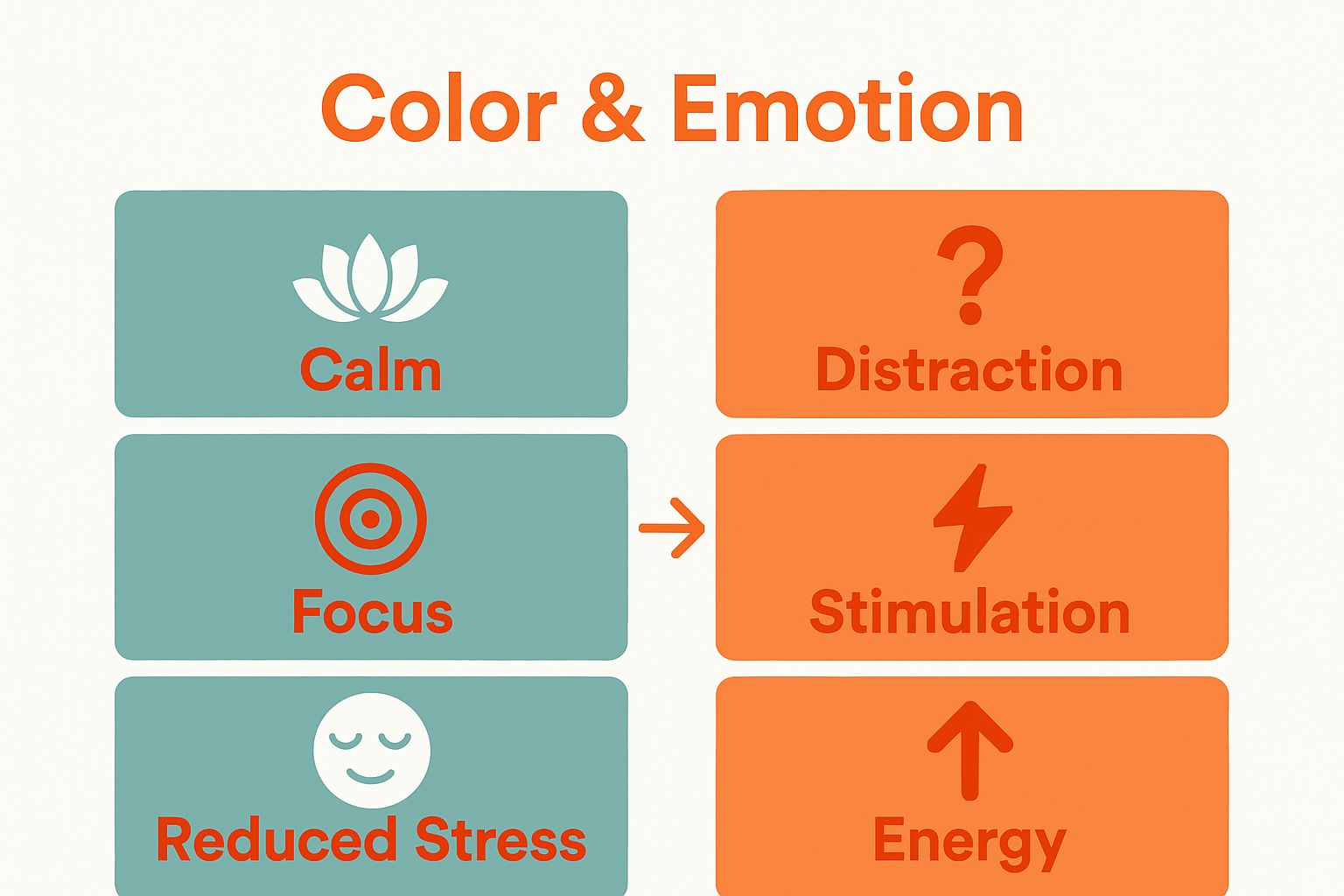 Different colors communicate distinct psychological signals that influence how we think, feel, and perform:
- Blue Tones: Promote calmness, increase focus, and reduce stress
- Green Hues: Encourage balance, improve reading comprehension, and reduce eye strain
- Neutral Colors: Create a sense of stability and minimize mental distractions
Design Elements That Enhance Cognitive Performance
Beyond color, design elements play a crucial role in creating an optimal learning environment. Explore our comprehensive guide on study material design to understand how strategic design choices can boost your academic performance. Effective study space design involves careful consideration of:
- Lighting quality
- Spatial organization
- Minimalist aesthetic principles
- Ergonomic furniture placement
By understanding and implementing these color and design strategies, you transform your study space from a mere physical location into a powerful cognitive enhancement tool. The right combination of colors and design elements can create an environment that not only looks appealing but actively supports your learning goals and mental well-being.
The following table summarizes how specific colors can impact mood and cognitive functions in a study environment to help you select the right palette for your needs.
| Color | Psychological Effects | Influence on Study Performance |
|---|---|---|
| Blue Tones | Calmness, reduced stress | Increases focus, supports relaxation |
| Green Hues | Sense of balance, reduces eye strain | Improves reading comprehension, eases fatigue |
| Neutral Colors | Stability, minimal distractions | Helps maintain consistent focus |
| Warm Tones | Energy, can increase alertness | May boost motivation but can also cause agitation |
| Bright Colors | Stimulation, attention-grabbing | Can be distracting, best as accent elements |
What Essential Elements Contribute to Productivity?
Productivity is a complex interplay of mental, physical, and environmental factors that work together to optimize your learning and performance. According to research from Harvard Business Review, successful productivity is not about working harder, but working smarter by understanding key strategic elements.
Psychological Foundations of Productivity
Productivity begins in your mind. Your mental state, motivation, and cognitive strategies are fundamental to achieving your academic goals. Successful students understand that productivity is about creating systems that support consistent performance:
- Mental Clarity: Maintaining a focused and organized thought process
- Intrinsic Motivation: Connecting study goals to personal values
- Emotional Resilience: Managing stress and maintaining psychological balance
Physical and Environmental Productivity Triggers
Discover more about optimizing your productivity workflow to transform your academic performance. Physical elements play a crucial role in maintaining consistent productivity. These include:
- Ergonomic workspace design
- Proper nutrition and hydration
- Regular physical movement and exercise
- Consistent sleep patterns
Understanding and integrating these essential elements creates a holistic approach to productivity. It is not about perfection, but about creating sustainable habits that support your learning journey and help you consistently perform at your best.

How Can Personalization Enhance Your Study Experience?
Personalization transforms your study space from a generic environment into a powerful, tailored learning sanctuary. According to research from EdTech Books, creating a personalized study area can significantly boost motivation and engagement by making your learning environment uniquely yours.
The Psychological Impact of Personal Spaces
Your study space is more than just a physical location. It is a reflection of your personality, learning style, and academic aspirations. Personalization triggers deeper psychological connections with your study environment, creating emotional investment in your learning journey:
- Emotional Comfort: Surrounding yourself with meaningful objects reduces stress
- Personal Identity: Displaying items that represent your goals increases motivation
- Cognitive Connection: A space that feels genuinely yours enhances mental focus
Strategies for Meaningful Personalization
Explore our comprehensive guide to fostering personal growth and learn how to create a study space that truly resonates with your individual needs. Effective personalization goes beyond decorative choices and involves strategic, intentional design:
- Select colors that inspire and energize you
- Include personal mementos that motivate your academic journey
- Create visual representations of your goals and achievements
- Incorporate elements that reflect your unique learning style
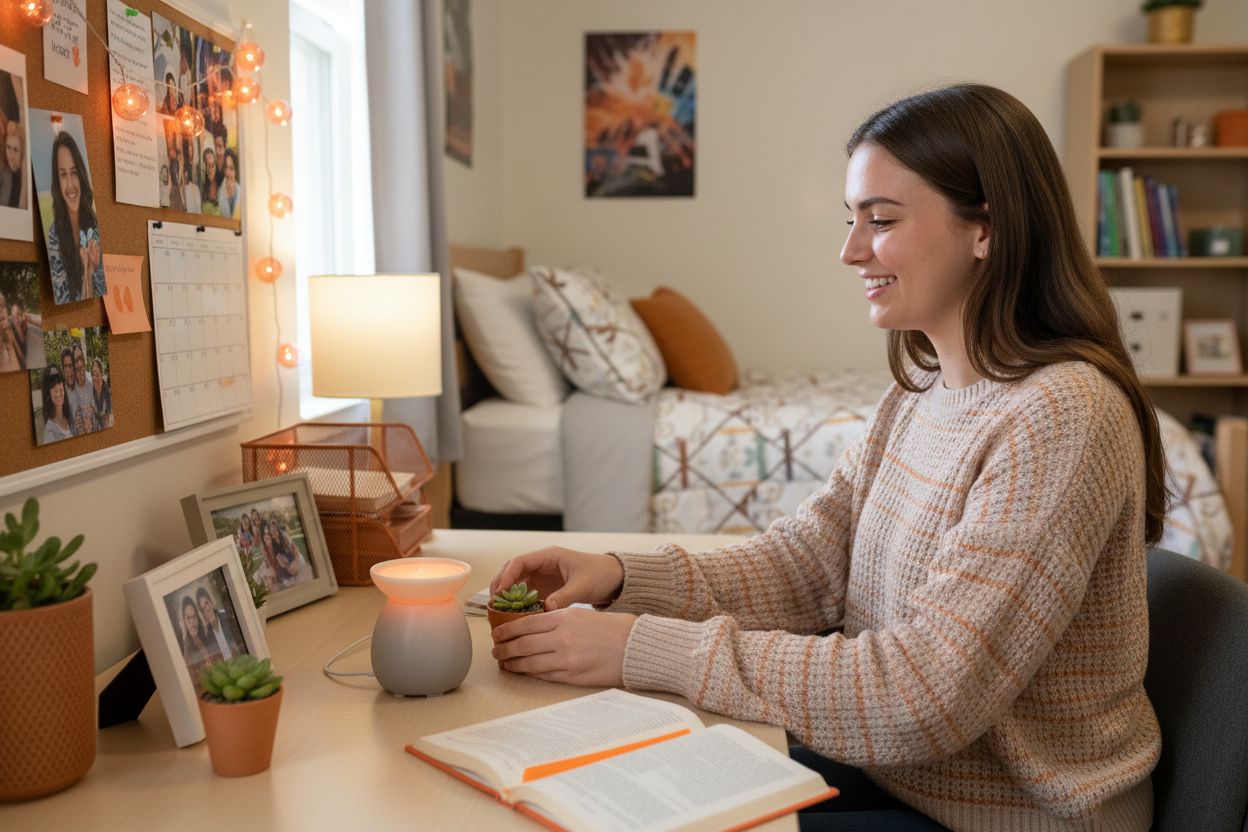
By thoughtfully personalizing your study environment, you create a dynamic space that not only supports your academic performance but also celebrates your individuality and learning potential.
Turn Your Study Space Vision Into Reality Now
Are you struggling to create a study space that actually helps you stay focused and inspired? Many students face the same challenge: messy desks, dull decor, and uncomfortable setups that drain motivation and make studying feel like a chore. This article explored exactly why visual harmony, smart design, and personal touches matter when you want to turn your dorm or workspace into a productive sanctuary. If you want more practical ideas, explore our collection of Decor tips and essentials curated for students who need both style and substance.
Ready to take action and create a learning environment that matches your goals? Discover affordable, effective solutions and elevate your study routine with resources designed to help you succeed. Do not wait for the perfect moment. Start designing your personalized and productive study space with our top decor and strategy picks now!
Frequently Asked Questions
What is an aesthetic, productive study space?
An aesthetic, productive study space is a carefully curated environment that maximizes learning efficiency and mental focus while being visually pleasing. It includes elements like visual harmony, a functional layout, and minimal distractions.
How do colors influence mood and productivity in a study space?
Colors have a significant impact on mood and cognitive performance. For example, blue tones promote calmness and focus, green hues improve reading comprehension, and neutral colors create stability, reducing mental distractions.
What essential elements contribute to creating a productive study environment?
Key elements include ergonomic furniture, a clean and organized layout, appropriate lighting, and minimizing sensory distractions. Maintaining mental clarity, intrinsic motivation, and emotional resilience are also important for productivity.
This table breaks down the essential elements that contribute to a productive study environment, helping you identify which areas to focus on to boost your academic performance.
| Element | Description | Impact on Productivity |
|---|---|---|
| Ergonomic Furniture | Chairs and desks designed for comfort | Reduces physical fatigue, increases focus |
| Clean, Organized Layout | Uncluttered and tidy workspace | Minimizes distractions, aids concentration |
| Appropriate Lighting | Well-lit, preferably with natural light | Enhances mood, reduces eye strain |
| Minimal Sensory Distractions | Limiting noise, clutter, and digital interruptions | Maintains attention, lowers stress |
| Mental Clarity | Staying organized mentally as well as physically | Supports sustained productivity |
| Intrinsic Motivation | Connecting tasks to personal interests and values | Drives consistent study habits |
| Emotional Resilience | Ability to manage stress and maintain balance | Prevents burnout, supports long-term success |
How can I personalize my study space to enhance my learning experience?
Personalization can include selecting colors that inspire you, displaying meaningful objects, creating visual representations of your goals, and incorporating elements that reflect your unique learning style, helping to create an emotionally engaging environment.
Recommended
- 10 Aesthetic DIY Decor Ideas For Your Dorm Room
- How to Create a Study Space That Actually Helps You Focus
- Understanding Defining Study Aesthetics for Students
- What is Study Aesthetics? Understanding Its Importance