
How to Manage Time Effectively for Academic Success
Over 60 percent of American college students report that poor time management leads to missed deadlines and unnecessary stress. With so many distractions competing for your attention, organizing your day can feel impossible. Learning effective time management skills is not just about squeezing more into your schedule but about creating space for your academic goals and personal growth. This guide reveals practical steps any American student can use to take control of their time and achieve lasting success.
Quick Summary
| Key Message | Explanation |
|---|---|
| 1. Track Your Time Usage | Log all activities for a week to identify surprising time sinks and improve time management. |
| 2. Set Clear Priorities | Create lists for academic and personal goals to allocate time effectively and focus on what matters. |
| 3. Organize Tasks Systematically | Use planners and digital tools to categorize tasks and develop a structured approach to managing your workload. |
| 4. Create Daily and Weekly Schedules | Design a flexible schedule that includes all commitments and adapt it weekly for better time management. |
| 5. Reflect and Adjust Periodically | Evaluate your progress weekly to identify challenges and adjust strategies for continuous improvement. |
Step 1: Assess Your Current Time Usage
Before you can improve your time management skills, you need a clear picture of how you currently spend your hours. Students often underestimate how much time they actually spend on various activities. Time management tracking allows you to gain valuable insights into your daily routine and identify areas for potential improvement.
To start your assessment, grab a notebook or digital spreadsheet and track every activity for an entire week. Record everything from study sessions and class time to social media scrolling, sleeping, and meal preparation. Be brutally honest with yourself. Many students discover surprising time sinks when they carefully log their activities. The best time management tools can help you categorize and analyze these time logs quickly and efficiently.
Once you have your complete time log, calculate the total hours spent on each category. Look for patterns like excessive social media time or inefficient study methods. Did you spend three hours scrolling through Instagram when you could have completed an assignment? Are your study sessions fragmented and ineffective? This initial assessment provides the foundation for transforming your time management strategy and boosting your academic performance.

Step 2: Set Clear Academic and Personal Priorities
Establishing clear priorities is the foundation of effective time management and academic success. Balancing lifestyle and academic goals requires a strategic approach that helps you identify what truly matters and allocate your time accordingly.
Start by creating two distinct lists: one for academic priorities and another for personal priorities. For academic goals, break down larger objectives into specific, actionable tasks. Organization techniques can help you transform broad goals like improving grades into concrete steps such as studying for two hours daily or completing assignments a day before their due date. Students who establish clear short-term and long-term goals with realistic timelines are more likely to maintain consistent progress and reduce academic stress.
When setting priorities, be honest about your capabilities and potential time constraints. Not everything can be a top priority, so learn to categorize tasks into urgent, important, and optional categories. This approach allows you to focus your energy on activities that genuinely contribute to your academic and personal growth. By aligning your daily actions with your most important goals, you create a roadmap for success that balances academic achievement with personal well-being.
Step 3: Organize Tasks Using Planners and Tools
Effective task organization transforms scattered thoughts into a structured roadmap for academic success. Digital file organization can be your secret weapon in managing complex academic and personal commitments systematically. The right planning approach helps you visualize your workload and tackle tasks with precision and confidence.
Start by selecting a planning system that matches your learning style. Some students prefer traditional paper planners with color coded sections, while others thrive using digital apps that sync across devices. Organize your digital and physical materials into clear categories like urgent assignments, study sessions, personal commitments, and long-term projects. Consider using a digital calendar with color-coded events or a physical planner where you can write details manually. Pro tip: Schedule buffer time between tasks to account for unexpected challenges or mental breaks.
Make your organizational system a daily habit by reviewing and updating your planner every morning and evening. This consistent approach ensures you stay on top of deadlines, track your progress, and adjust your plans as needed. Remember that a great organizational system is flexible and personalized to your unique workflow. Experiment with different tools and techniques until you find a method that keeps you motivated and productive without feeling overwhelmed.
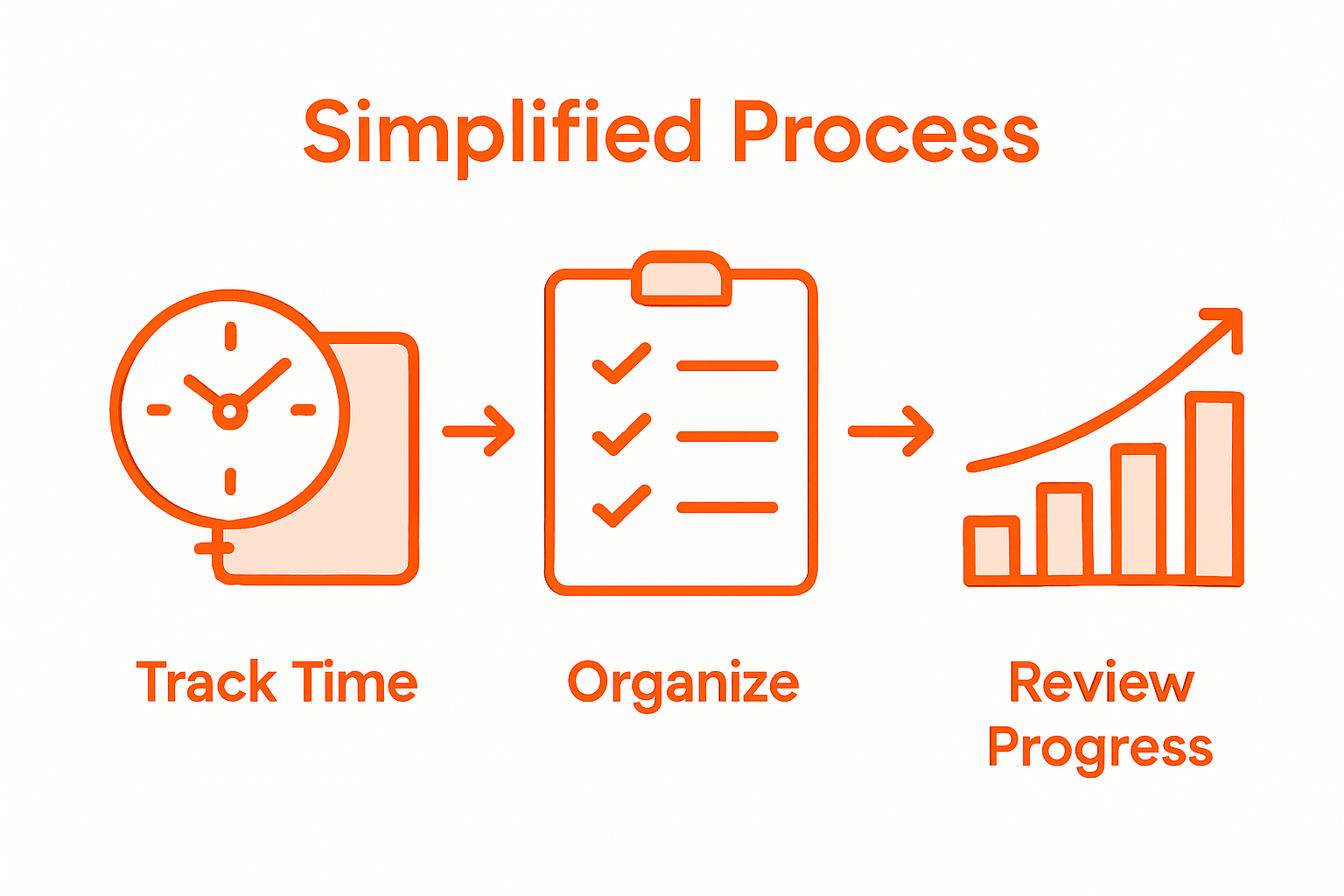
Step 4: Plan Daily and Weekly Schedules
Designing effective daily and weekly schedules is your blueprint for academic success and personal balance. Balancing lifestyle and academic goals requires a strategic approach that transforms your time into a powerful tool for achievement.
Begin by creating a master weekly schedule that includes all your fixed commitments like classes, work shifts, and recurring activities. Then, break down your weekly goals into daily actionable tasks. Digital organization techniques can help you allocate specific time blocks for studying, assignments, personal projects, exercise, and relaxation. Pro tip: Schedule your most challenging academic tasks during your peak energy hours and include buffer time between activities to prevent burnout.
Review and adjust your schedule weekly. Be flexible and realistic about your capabilities. Some days will not go exactly as planned, and that is okay. The goal is to create a framework that guides you toward consistent progress, not to generate a rigid plan that causes stress. Your schedule should feel like a supportive tool that empowers you to make the most of your time while maintaining your mental and physical well-being.
Step 5: Review Progress and Adjust Your Approach
Periodic self reflection is the secret sauce of sustainable academic success. Balancing lifestyle and academic goals requires more than just creating plans it demands consistent evaluation and strategic adjustments.
Set aside dedicated time every week to critically analyze your performance and productivity. Digital organization techniques can help you track your progress through detailed logs and visual metrics. Look at what worked well and identify areas where you struggled. Were you consistently missing study goals? Did unexpected challenges derail your schedule? Be honest with yourself and treat these insights as opportunities for growth rather than personal criticism.
Creating a feedback loop is crucial for continuous improvement. Consider maintaining a reflection journal where you document your challenges, successes, and potential strategy modifications. This approach transforms time management from a rigid system into a dynamic personal development process. Remember that flexibility is your greatest asset adapt your strategies as you learn more about your own work patterns and energy cycles. Your goal is not perfection but steady progressive improvement toward your academic and personal objectives.
Unlock Your Academic Potential with Proven Time Management Solutions
Struggling to track your time effectively or overwhelmed by balancing academic and personal priorities is a common challenge for students aiming for success. This article highlights the importance of assessing your current schedule, setting clear priorities, and organizing tasks with effective planners—all essential steps to mastering your daily routine. If you have found yourself juggling study sessions, deadlines, and personal commitments without a clear plan, it is time to take control and transform these challenges into strengths.
Discover practical tools and strategies tailored to help you succeed at Learning With Angie. From mastering time management techniques to organizing your digital files efficiently, our resources guide you every step of the way. Don’t wait for distractions to steal your focus or for stress to hamper your progress. Start today by exploring effective organization tips that complement your academic goals and build a balanced lifestyle. Take the first step toward achieving your full potential now.
Frequently Asked Questions
How can I assess my current time usage for better time management?
To assess your current time usage, track all your activities for an entire week, noting everything from studying to leisure activities. Use a notebook or digital spreadsheet to log your time, and then analyze the data to identify any habits that may be wasting your time.
What steps should I follow to set academic and personal priorities?
To set academic and personal priorities, create two separate lists that categorize your goals and tasks. Break down larger objectives into specific, actionable tasks, and rank them based on urgency and importance to ensure you focus on what truly matters.
How can I organize my tasks effectively using planners and tools?
Choose a planning system that suits your learning style, whether digital or paper. Organize your tasks into clear categories, and make it a habit to review and update your planner daily to maintain awareness of deadlines and progress.
What is the best way to create daily and weekly schedules?
To create effective daily and weekly schedules, start with a master schedule that includes fixed commitments and break down weekly goals into daily tasks. Schedule your most challenging tasks during your peak energy hours and allow for breaks to prevent burnout.
How often should I review my progress and adjust my time management approach?
You should review your progress weekly to analyze what worked and what didn’t. Set aside dedicated time for this evaluation, noting any challenges faced and adjusting your strategies accordingly to continuously improve your time management skills.
Recommended
- The Best Time Management Tools for Students in 2025: Stay Organized and Stress Less
- Mastering Time Management: Tools and Techniques
- What Tools and Apps Can Improve Productivity for Students?
- Prioritizing Self Care During Academic Challenges
- 7 Essential Digital Tools for Students to Learn Faster
- How to Reduce Video Distractions for Efficient Viewing