
Why Writing Changes the Way You Think
When you can’t explain an idea on paper, the problem usually isn’t your grammar. Your idea is still blurry.
That is why writing matters so much in school, work, and daily life. You don’t finish thinking and then write it down. In many moments, writing is the act that helps your mind sort, test, and sharpen what you mean.
Once you see that, a blank page stops feeling like a place to perform. It becomes a place to think.
Writing as an Engine for Clarity
Your mind moves fast, but it also skips steps. A thought can feel complete because you sense its shape. Once you try to write it, the missing parts show up.
That is the first lesson in the link between writing and thinking. The page asks more from you than your mind does. It asks for order, detail, and logic. It forces you to choose the right word, not the almost-right one.
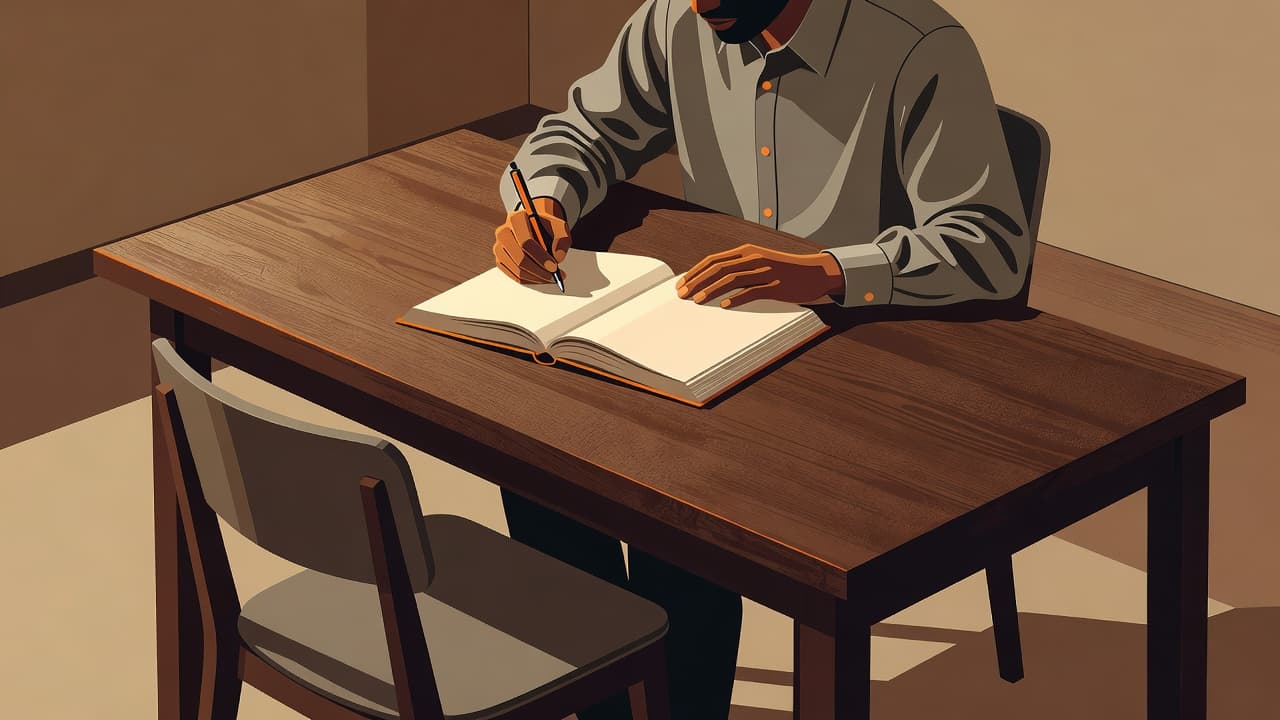
When you write, vague feelings turn into visible claims. You notice where your evidence is weak. You see when two ideas don’t connect. You catch yourself making a jump that sounded fine in your head but falls apart in a sentence.
If you can’t write the idea clearly, you probably don’t understand it clearly yet.
This happens in simple tasks, not only in essays. You may try to text a friend about a problem and realize you don’t know what upset you. You may draft an email to a teacher and discover your question has three parts, not one. You may journal after a hard day and find that you aren’t stressed about everything. You’re stressed about one deadline, one conversation, or one choice.
Writing slows thought enough for you to inspect it. That slowdown is not a flaw. It is where clear thinking begins.
You can feel this in school. A topic in class may seem easy until you write a paragraph about it. Then you learn what you know, what you half-know, and what you only recognize when someone else says it. Writing gives your thoughts edges. Once they have edges, you can work with them.
Why students learn more when they write
Many students treat writing as proof of learning. In practice, it often creates the learning. That shift matters.
If you only reread notes, your brain stays in recognition mode. You think, “Yes, I’ve seen this before.” When you write an explanation in your own words, you move into recall and reasoning. You have to rebuild the idea from memory. That effort is what makes the lesson stick.
This works in almost every subject. In history, writing a short answer helps you connect cause and effect. In science, a lab reflection makes you explain why a result happened. In math, writing each step can show where your reasoning broke. Even in literature, a quick paragraph about one scene can reveal a theme you missed while reading.
Short writing also helps when you study alone. After a chapter, close the book and write five sentences from memory. After a video lesson, explain the main point as if you were teaching a younger student. If the words won’t come, that gap is useful. It tells you where to go back.
Parents can use this too. If you’re helping with homework or teaching at home, ask for a written explanation before you check the answer. A correct answer can hide a weak process. A short written response shows how the student got there.
The goal isn’t to produce polished work every time. Most of your learning writing should stay rough. Messy notes, half-formed paragraphs, margin questions, and quick summaries all count. They move ideas from passive exposure to active use.
That is why strong students often write more than the assignment requires. They aren’t trying to look busy. They are building understanding one sentence at a time.
Better decisions start on the page
Writing helps when the problem is not schoolwork but choice. You may be picking classes, planning a project, or deciding whether to say yes to a job, club, or commitment. In your head, every factor talks at once. On paper, you can separate them.
A short written list can reduce noise. More important, it can expose what matters most to you. Once you write your reasons, you often see that two are real and five are fear.
This quick comparison shows what changes when you move a decision from your head to the page.
| In your head | On the page |
|---|---|
| Ideas blur together | Ideas can be sorted |
| Feelings seem equal | Priorities become visible |
| Weak reasons hide easily | Weak reasons stand out |
The page won’t decide for you. It will show what you are trading.
This matters in knowledge work too. If you are writing a project brief, a research summary, or even a careful email, the draft helps you think through the task. You notice unclear goals. You find hidden assumptions. You spot questions before someone else has to ask them.
A written decision memo, even a short one, is often better than a long mental debate. When you state your goal, your options, and your reasons, you make your judgment easier to test. If the choice goes badly, you can also learn from your process instead of trusting a hazy memory.
That is one of writing’s quiet strengths. It leaves a trail of thought you can review, improve, and trust.
Turning scattered thoughts into structure
Creative work begins in disorder. You may have a topic, a scene, a design idea, or a project plan, but the parts don’t line up yet. Writing helps you build the frame before you build the finish.
A rough draft is not a weaker version of the final product. It is where structure appears.
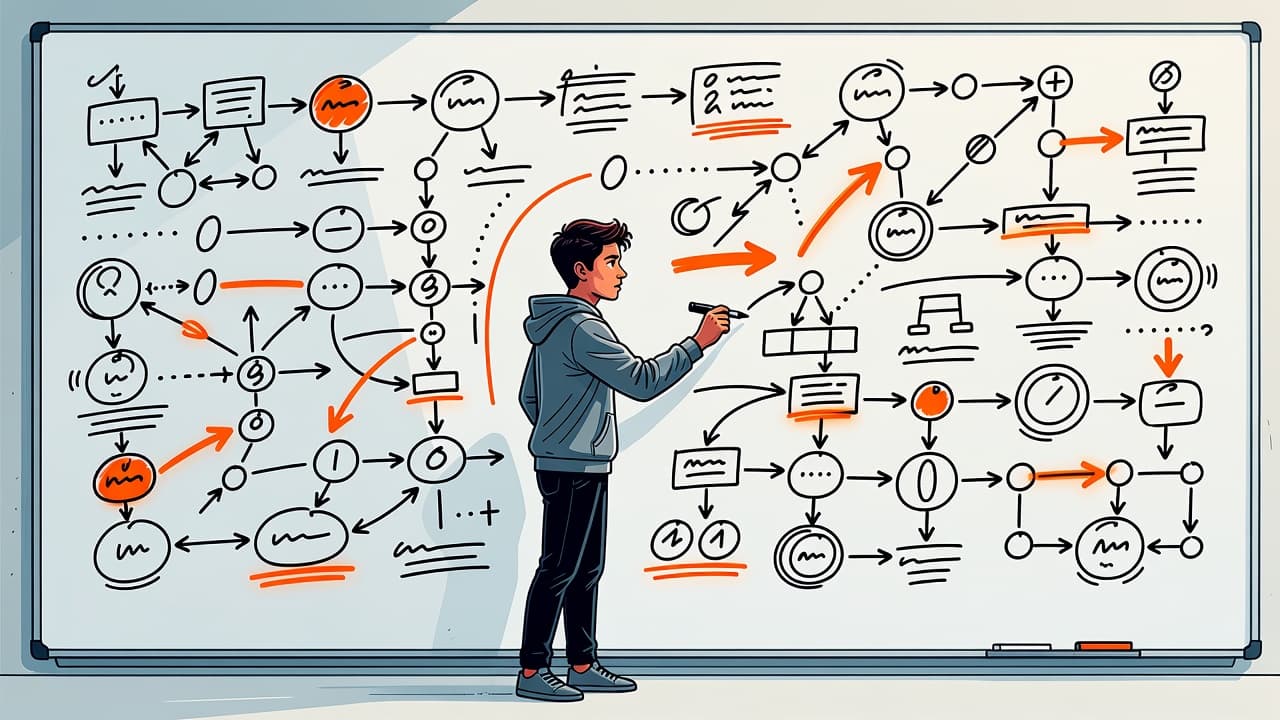
When you write early, you stop carrying every idea at once. You can place one thought next to another and see what belongs. A random note can become a topic sentence. A list of scenes can become a plot. A pile of research points can become an argument.
This is true far beyond English class. If you’re building a presentation, writing the main claim first keeps your slides from drifting. If you’re making art, a short note about mood or purpose can guide choices later. If you’re coding or starting a business idea, a written outline can reveal gaps before you spend hours fixing them.
Many people resist this stage because it feels messy. They want good sentences right away. That urge usually slows them down. Polishing before thinking is clear is like painting a room before the walls are built.
You don’t need talent to benefit from this. You need permission to write badly for a while. The rough draft is where discovery lives. The finished draft only shows what survived.
When your thoughts feel scattered, structure rarely appears by waiting. It grows when you write pieces down and arrange them.
Small writing habits that sharpen your thinking
You don’t need long journal sessions to get this benefit. Small habits work because they fit real life.
A few minutes of writing can change how you study, plan, and solve problems. The key is to use writing before your thoughts feel complete.
- After class, write a six-sentence summary from memory. Then check what you missed.
- Before a hard conversation, draft what you want to say. Cut the parts that are vague or unfair.
- When you feel stuck, write one page of bad explanations. Clarity often appears after the first clumsy lines.
- Before a test, explain one topic in plain words, as if you were teaching a younger student.
- At the end of the day, write down one thing you learned, one thing you misunderstood, and one question you still have.
These habits work because they pull thought into the open. Once an idea is visible, you can test it. You can revise it. You can ask for help with it.
You also build a useful record. Over time, your notes show patterns in how you learn and where you stall. That makes future work easier, because you stop guessing about your own mind.
The page becomes part of your mind
When a thought stays in your head, it can feel larger and clearer than it is. Once you write it down, you can see its shape.
That is why writing belongs at the center of learning, decision-making, and creative work. It helps you discover what you mean, not only display it for someone else.
The next time your mind feels crowded, don’t wait for clarity to arrive first. Write, and give your thinking a place to become real.
This post may contain affiliate links. If you make a purchase through these links, I may earn a small commission at no extra cost to you.