How to Beat Exam Anxiety Without Burning Out
Your brain can know the material and still panic when the paper lands on your desk. That’s what exam anxiety does. It turns a normal challenge into a body-wide alarm.
The good news is that you can lower that alarm. With a few steady habits, you can calm your body, study with less dread, and walk into test day with more control.
What exam anxiety feels like, and why it happens
When anxiety shows up before a test, your body often reacts first. Your heart speeds up. Your hands sweat. Your stomach tightens. Sometimes your mind goes blank, even when you studied.
That reaction can feel scary, but it isn’t strange. Stress hormones prepare you to act fast, and that can help in small amounts. Yet when the stress gets too high, focus gets narrow and recall gets harder. Mayo Clinic’s overview of test anxiety explains that this kind of anxiety can improve with better study habits, a pretest routine, and support from a teacher or counselor.
A few common triggers make the problem worse. Cramming can raise the stakes because you never feel fully ready. Perfectionism can make every quiz feel like a judgment on your worth. Bad sleep, past test experiences, and pressure at home or school can also add fuel.
Anxiety during an exam is a body alarm, not proof that you can’t do the work.
You don’t need to wait until things get extreme to take it seriously. Start paying attention when you notice dread days before a test, frequent headaches, trouble sleeping, or a habit of avoiding schoolwork because the fear feels too big. If your anxiety is severe, keeps happening, or starts to affect sleep, appetite, attendance, or daily life, talk with a qualified mental health professional. Extra support matters, and getting it is a smart move.
Once you see the pattern, you can start to interrupt it.
Calm your body before it takes over
When your body is on high alert, it becomes harder to think clearly. That’s why the first job is physical. You don’t need a long meditation routine. You need a reset that works in a classroom, hallway, or car.
Start with your breath. A longer exhale tells your nervous system that the danger has passed. Try this simple cycle:
- Breathe in through your nose for 4 counts.
- Hold for 2 counts.
- Breathe out slowly for 6 counts.
- Repeat 5 times.
Do it before you study, while you wait for the test to begin, or anytime your chest feels tight. Practice when you’re calm too. That matters, because skills work better under stress when they’ve already become familiar.

Next, bring your attention back to the room. Press both feet into the floor. Loosen your jaw. Drop your shoulders. Name five things you can see and four you can feel. This grounding step pulls your brain away from worst-case thoughts and back to the present moment.
You can also release muscle tension on purpose. Squeeze your fists for five seconds, then let go. Tighten your shoulders, then relax them. Small moves help because anxious bodies often stay braced without you noticing.
These techniques aren’t magic, but they are useful. A published review of test-anxiety interventions found support for methods like relaxation training and other stress-reduction strategies. In other words, calming your body isn’t fluff. It’s a practical skill.
After your body settles, studying gets easier and test-day fear loses some of its power.
Build a study routine that lowers stress
A messy plan feeds anxiety. Your brain keeps hearing, “There is too much to do.” A clear plan gives it a smaller message: “I know what happens next.”
Begin earlier than you want to. You don’t need weeks of perfect prep. You do need enough time to stop every study session from feeling like an emergency. Break the material into pieces by topic, chapter, or skill. Then assign those pieces to specific days.
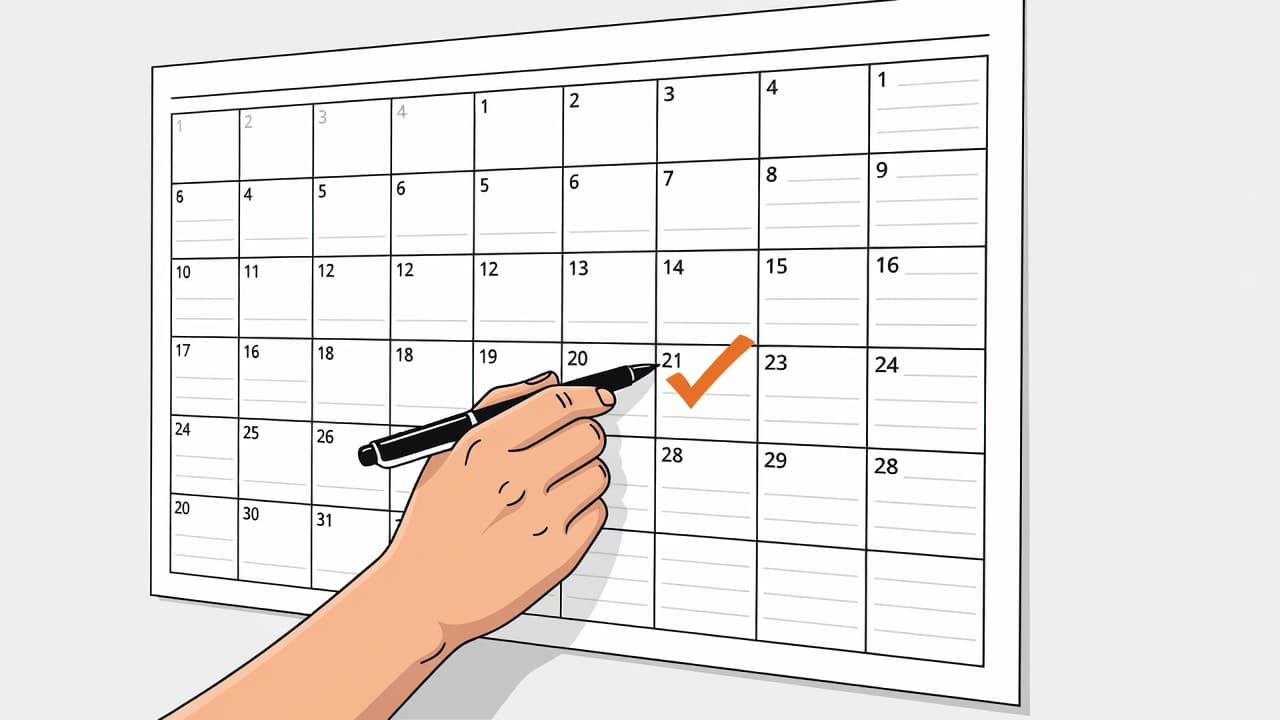
Keep your study blocks short enough to start. For many students, 25 to 40 minutes works well. After that, take a real break for 5 to 10 minutes. Stand up. Get water. Walk around. Then come back for the next block. Short sessions are easier to repeat, and repetition beats one painful marathon.
What you do in those blocks matters too. Reading notes over and over feels safe, but it often gives false confidence. Pull information out of your brain instead. Cover your notes and recite key points. Use flashcards. Answer practice questions. Write a quick summary from memory. That kind of active recall is harder, and that’s why it works better.
Sleep belongs in your study plan, not outside it. Memory sticks better when you sleep well after learning. If you stay up late to cram, you may gain one extra hour of review and lose much more in focus the next day. Try to keep your bedtime steady during exam week. Also, eat regular meals and keep caffeine reasonable, especially late in the day.
A University of Colorado guide to test anxiety also recommends scheduling breaks, meals, and time with friends. That advice matters because your brain learns better when your whole week isn’t built on panic.
If you’re supporting a student, you can help by lowering friction. Ask what task comes next. Offer a quiet space. Keep the routine steady. Pressure rarely helps; structure often does.
Change the thoughts that fuel panic
Anxious thoughts usually sound absolute. “I’m going to fail.” “Everyone else is ready.” “If I don’t ace this, I’m done.” Those thoughts feel true in the moment, but feelings aren’t always facts.
Start by catching the thought without arguing with yourself. Write it down if that helps. Then test it. Ask, “What evidence supports this?” and “What evidence pushes back?” Most of the time, you will find a more honest sentence in the middle.
For example, “I’m going to fail” can become, “I’m worried, but I’ve prepared for parts of this.” “My mind always goes blank” can become, “Sometimes I freeze at first, then I recover when I slow down.” “I need a perfect score” can become, “I need to do my best on this test, not prove my value.”
That shift doesn’t erase stress. It does lower the drama. Your brain stops treating one exam like a life sentence.
It also helps to watch your self-talk after a rough quiz. If you call yourself lazy or stupid, you make the next study session heavier. A better move is to stay specific. Tell yourself what happened and what changes next. “I ran out of time on the last page” is useful. “I’m terrible at tests” is not.
If you’re a parent or teacher, your words can shape this inner voice. Try asking, “What part felt hardest?” or “What would make the next test feel more manageable?” Those questions lead to a plan. Shame leads to shutdown.
Make test day boring on purpose
A calm test day starts the night before. Your goal is to remove surprises. When you know what you’re wearing, what you’re bringing, and when you’re leaving, your brain has fewer reasons to spiral.
This quick routine keeps the day simple:
| Time | What to do |
|---|---|
| Night before | Pack pencils, charger, calculator, ID, water, and anything else you need. Stop heavy studying early enough to sleep. |
| Morning of the test | Eat something steady, arrive with time to spare, and avoid conversations that turn into panic sessions. |
| During the exam | Read directions slowly, start with the questions you can do, and mark harder ones to return to later. |
The point is not perfection. The point is reducing chaos.
If your mind blanks during the test, pause for one slow breath cycle. Put both feet on the floor. Circle a question you can answer and begin there. Momentum helps. So does skipping a hard question instead of wrestling with it until panic grows.
Parents can help here too. Keep the ride to school calm. Skip last-minute lectures. A simple “You’ve prepared, and you can handle this one step at a time” often lands better than a long pep talk.
The calm you want starts before the test
You probably won’t erase every nerve before an exam, and you don’t need to. A little tension is normal. What matters is that you don’t let anxiety run the whole show.
When you calm your body, plan your study time, sleep enough, and answer panic with steadier thoughts, you give yourself a real shot at doing what you know. That’s how exam anxiety gets smaller, not all at once, but one repeatable habit at a time.
This post may contain affiliate links. If you make a purchase through these links, I may earn a small commission at no extra cost to you.
Want a head start? The Exam Season Survival Kit lays out the days before each exam step by step, which takes a lot of the guesswork — and a lot of the dread — out of test week.